

Exposed: Coal Combustion
Coal is currently the largest source of global energy. When coal is burned, its carbon, hydrogen, oxygen, sulfur, nitrogen and trace metals combine to form greenhouse gases such as carbon dioxide, methane and nitrogen oxides. Other emissions include sulfur dioxide gas, which can contribute to acid rain and respiratory diseases, particulate matter, which can cause lung and heart disease and mercury gas, a neurotoxin.
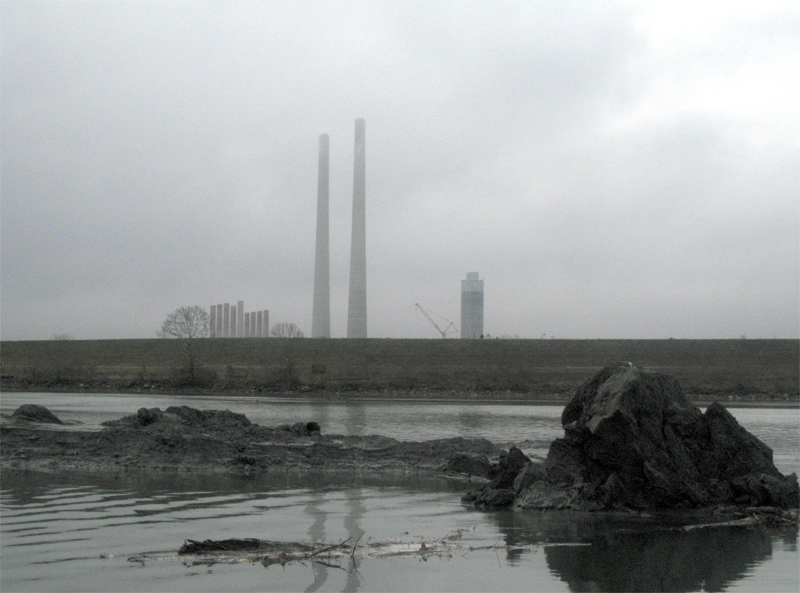
Photo courtesy of Appalachian Voices
Clean Air Act regulations have pressured power plants to reduce certain emissions such as sulfur gases, but ultimately, once devices known as scrubbers remove these pollutants from the air, the resulting toxic sludge instead pollutes our water. This scrubber sludge is often mixed with coal ash — another byproduct of burning coal for electricity — and contaminants such as arsenic, lead, mercury and selenium are much more concentrated in coal ash than in coal itself.
Disposal of this toxic waste is highly controversial. According to a 2007 study by the nonprofit Clean Air Task Force, coal ash is the largest source of industrial waste in the United States, yet there a few state rules and — at press time — no federal rules directly regulating its disposal. Due to this, no matter whether the waste is mixed with water and stored in open-air, unlined ponds, injected into abandoned mines, or dried out and shipped to municipal landfills, contamination of air and water can — and does — occur daily.
Though exact numbers remain unknown, a 2010 investigation of 137 of the more than 1,300 coal ash ponds across the nation revealed that “when adequate monitoring systems are established and their results are publicly accessible, contamination is invariably found at virtually every coal ash pond and landfill currently operating.”
Related Articles
Latest News
More Stories
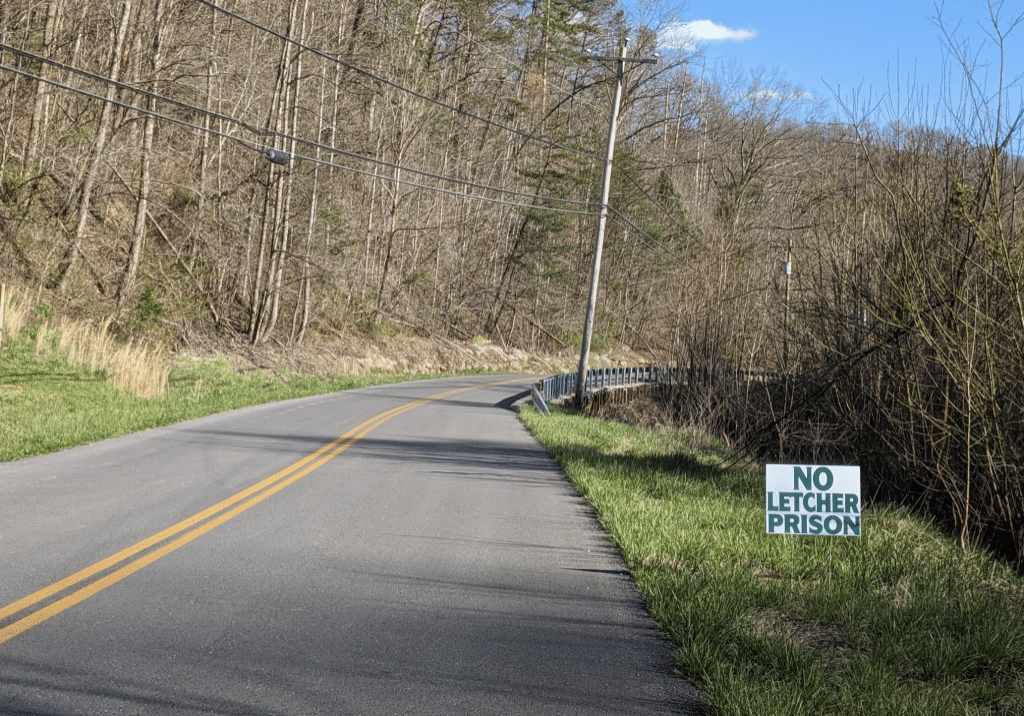
After 20 years, Letcher County prison proposal is still alive, though obstacles remain
A $605 million proposal for a federal prison on a former strip mine site in Letcher County, Kentucky, championed by U.S. Rep. Hal Rogers, refuses to die, despite local opposition, a lack of support from the executive branch and numerous other obstacles.
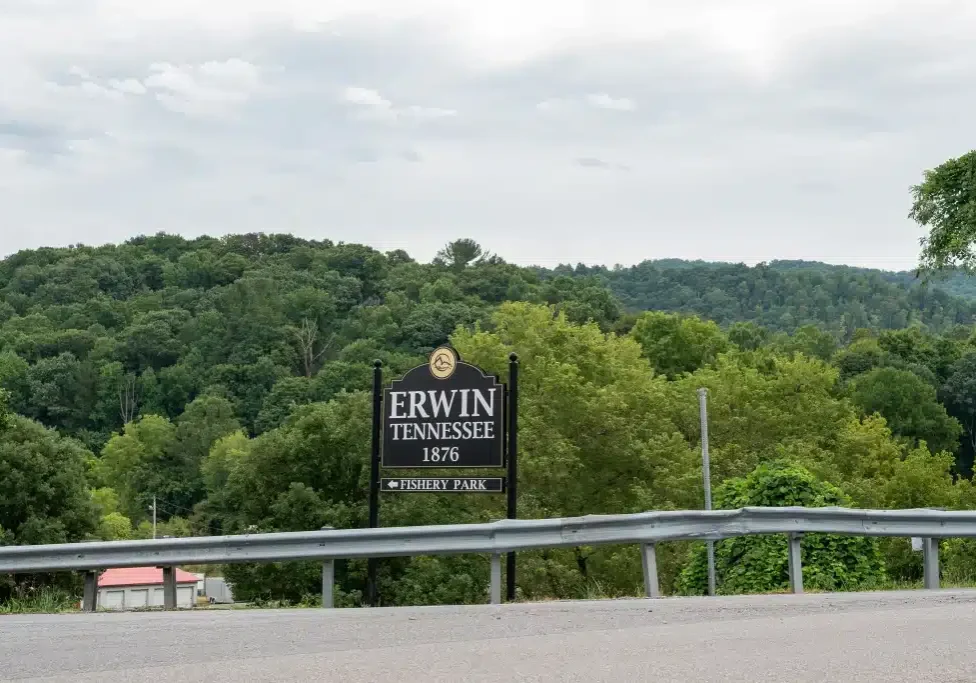
The Washout and Rebuild
For nearly two years, residents of Unicoi County, Tennessee, have had to make do without a hospital after Hurricane Helene destroyed the rural hospital. Ballad Health, which owns the hospital, broke ground on a new location — in another floodplain — in August 2026.

The Shenandoah Salamander
The Shenandoah salamander is a woodland salamander, which has adapted to life at higher elevations away from water. This sparkling rarity lives among the dry leaves, cracked logs, and stony hillocks on the highest peaks of Shenandoah National Park.
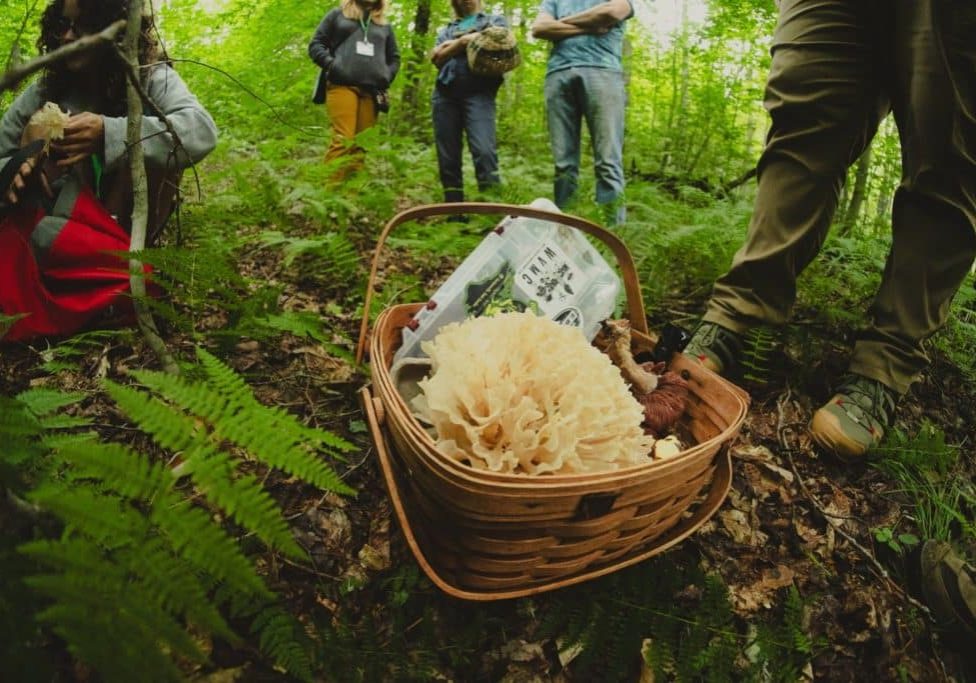
‘Foraging Is a Way of Connecting’
Foraging has experienced a modern resurgence, partly because of social media, online groups, the pandemic and people wanting to connect with nature. It also builds community, whether in person or online.

Colorblind Viewfinders Make Appalachian State Parks More Accessible
Virginia State Parks is the first park system in the nation to have a colorblind viewfinder at each one of its 43 locations — thanks to the dedication of one park ranger. Other states are following suit.

The Future of Film is in West Virginia
Many well-known TV and film productions have developed out of the Mountain State in years past, but the West Virginia Film Office is looking to the future to continue to grow the film industry.

Leave a comment
Your email address will not be published. Required fields are marked *
Leave a Comment