

Exposed: Fracking
The last decade has seen a rapid expansion of the drilling method known as hydraulic fracturing, or fracking. Sand and chemicals — including known carcinogens — are mixed with water and injected deep underground to extract natural gas from shale rock formations. Yet many chemicals remain unknown because companies may claim them as trade secrets.
Hydraulic fracturing in Appalachia currently occurs in Ohio and West Virginia, while the more shallow rock formations in Tennessee, southwest Virginia and Kentucky require an alternative process called nitrogen fracking, which replaces much of the water in fracking fluid with nitrogen gas.
As much as 90 percent of fracking fluids remain underground, and whatever does return brings with it new contaminants such as salts, radioactive material and heavy metals. This waste is stored in open-air pits before shipment to treatment plants, but dangerous levels of contaminants remain even after treatment and, in some cases, reaction with disinfectants may form additional toxic byproducts.
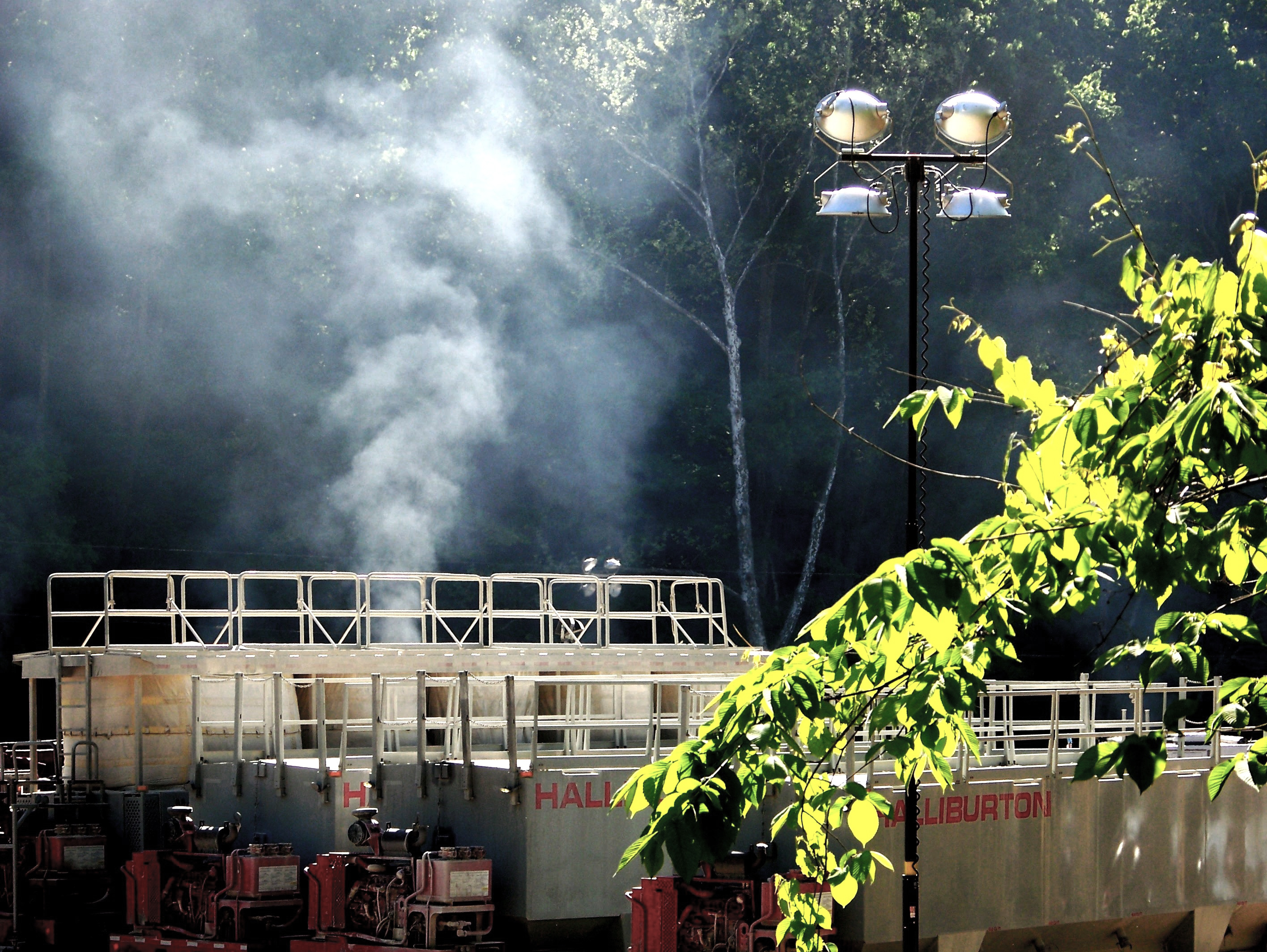
At this natural gas drilling site, one of more than 100 owned by EQT in northern West Virginia, diesel emissions from heavy drilling equipment pollute the air. Photo courtesy of Wetzel County Action Group
Exemption from hazardous waste regulations allows the solid, treated waste to be dumped into the same type of landfill as household trash. Most of the liquid treated waste is discharged into streams and lakes, and the remainder is injected into disposal wells, where it can seep into groundwater and has triggered earthquakes.
Both wells and waste-containment ponds can release chemicals into air and water through evaporation and leaks. In Pennsylvania, state officials this summer confirmed 243 known cases of private drinking water well contamination by the natural gas industry since drilling expanded in 2008.
Groundwater and air contaminants confirmed by government and university-led studies include hydrogen sulfide, which can affect brain and respiratory health, and methane, an explosion hazard and contributor to climate change. Carcinogens in the mix include arsenic, benzene and formaldehyde. As benzene and formaldehyde evaporate and join exhaust fumes from transportation vehicles at the drilling site, they form ground-level ozone, which causes respiratory diseases.
Related Articles
Latest News
More Stories
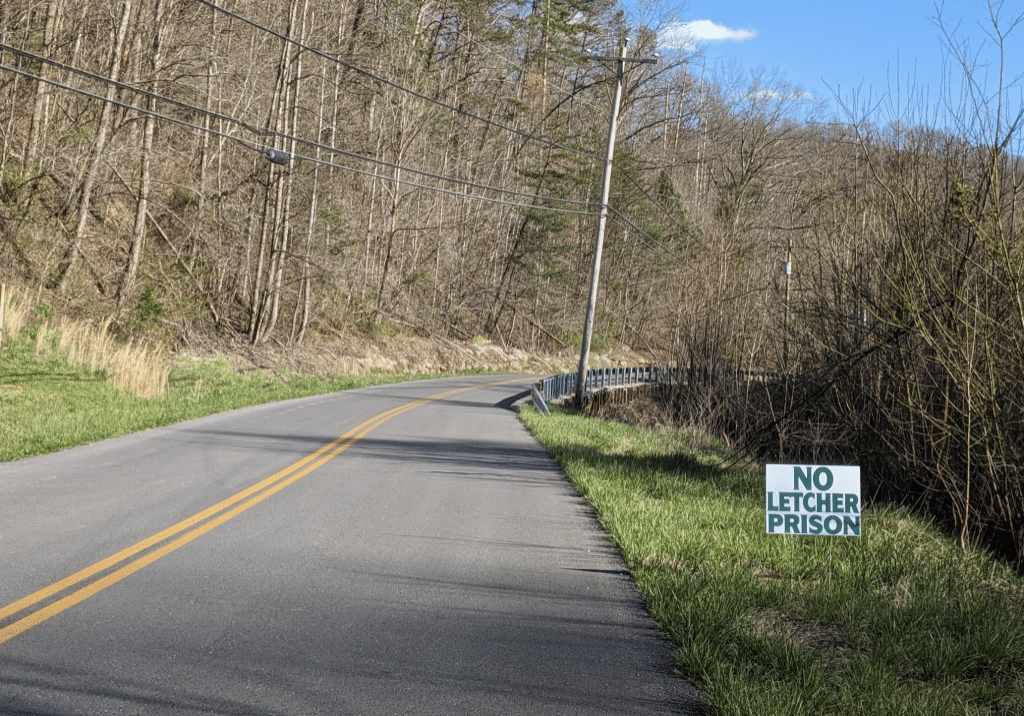
After 20 years, Letcher County prison proposal is still alive, though obstacles remain
A $605 million proposal for a federal prison on a former strip mine site in Letcher County, Kentucky, championed by U.S. Rep. Hal Rogers, refuses to die, despite local opposition, a lack of support from the executive branch and numerous other obstacles.
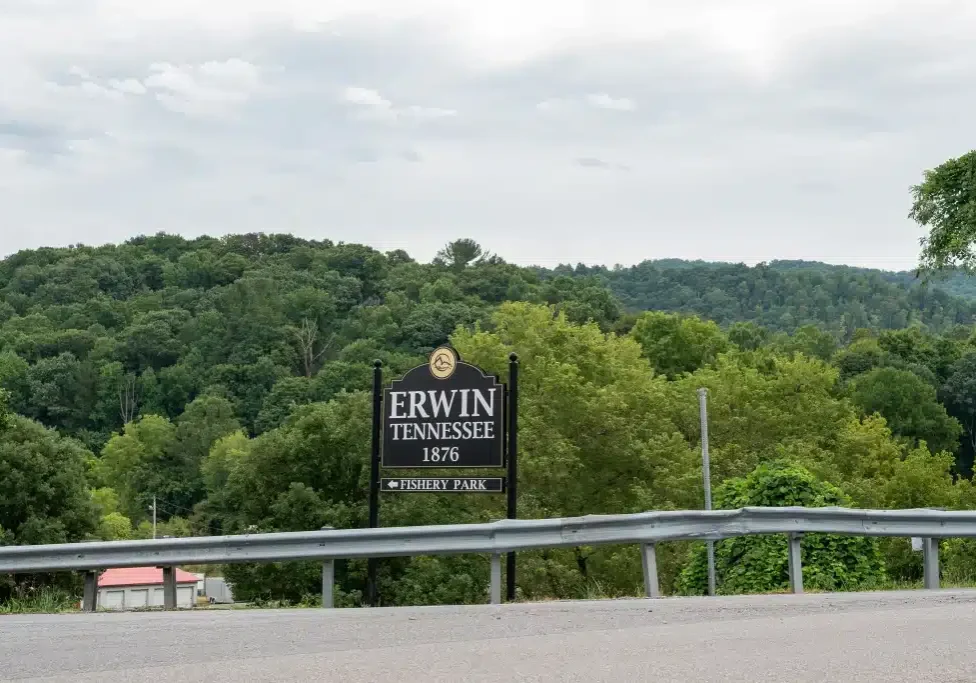
The Washout and Rebuild
For nearly two years, residents of Unicoi County, Tennessee, have had to make do without a hospital after Hurricane Helene destroyed the rural hospital. Ballad Health, which owns the hospital, broke ground on a new location — in another floodplain — in August 2026.

The Shenandoah Salamander
The Shenandoah salamander is a woodland salamander, which has adapted to life at higher elevations away from water. This sparkling rarity lives among the dry leaves, cracked logs, and stony hillocks on the highest peaks of Shenandoah National Park.
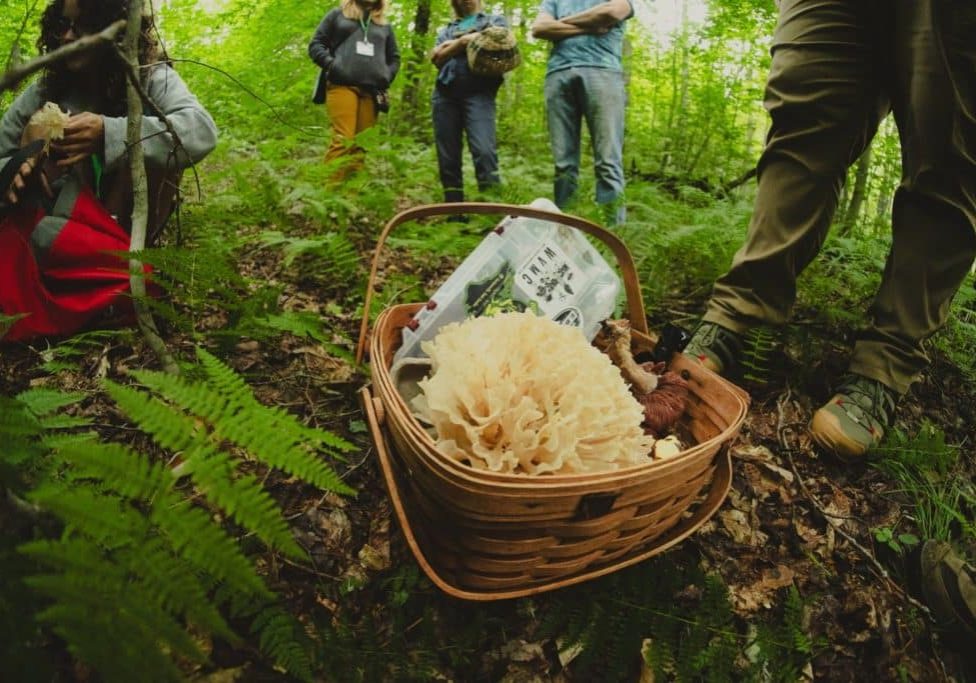
‘Foraging Is a Way of Connecting’
Foraging has experienced a modern resurgence, partly because of social media, online groups, the pandemic and people wanting to connect with nature. It also builds community, whether in person or online.

Colorblind Viewfinders Make Appalachian State Parks More Accessible
Virginia State Parks is the first park system in the nation to have a colorblind viewfinder at each one of its 43 locations — thanks to the dedication of one park ranger. Other states are following suit.

The Future of Film is in West Virginia
Many well-known TV and film productions have developed out of the Mountain State in years past, but the West Virginia Film Office is looking to the future to continue to grow the film industry.

Leave a comment
Your email address will not be published. Required fields are marked *
Leave a Comment