

One Artist’s Experience with Coal Ash
By Caroline Armijo
Editor’s Note: Caroline Armijo began an environmental justice art project after seeing many friends and family die from cancer in her North Carolina community, near one of the state’s largest coal ash impoundments. The Belews Creek coal ash ponds near her community are not among those designated for full cleanup by the recent state coal ash bill. In this excerpt from Armijo’s website, she describes the circumstances that shaped her paper sculpture creation, titled “Gray Matter.” Read the full post at carolinearmijo.com.
In my five years in Washington D.C., I have only known three people with cancer, and only one of those have died. In the last six months alone, I have known five people who have died from my hometown in Stokes County, North Carolina.
[In 2007 the EPA reported that] coal ash gives you a one in fifty chance of getting cancer. Unfortunately, the statistics seem to be much worse at home than estimated in the published reports. When I discussed this with a friend from home, she said that her prayer group included two people with cancer out of four.

Rolls of collected grave rubbings bound by red stitching give structure to this hollowed-out book. The rubbings were created from the headstones of mixed-media artist Caroline Armijo’s friends and family members, whom she suspects were poisoned by coal ash. Photo by Caroline Armijo.
Maybe I feel so strongly about this after watching my dad’s twin sister, Cheryl, fight a courageous battle against non-Hodgkin’s lymphoma. She passed away in April 2006, after I moved to D.C. the previous year. I was six hours away from my family. It was one of the hardest things I have ever dealt with.
A couple of years later, her neighbor Jackie, from directly across the street, died of the exact same kind of cancer. They could see each other’s houses from their front windows. Cancer is not contagious. What are the chances of that happening?
I did what I do when I don’t know what else to do. I began working on an art project that ultimately became Gray Matter. I had partially excavated/destroyed the book, Your God Is Too Small, a couple of years ago; it was in two pieces and looked like a couple of capital D’s. I went to the studio, picked up the book, gathered my scalpel (a real surgeon’s knife) and blades, and headed home with all of these lost loved ones in my mind.
Related Articles
Latest News
More Stories
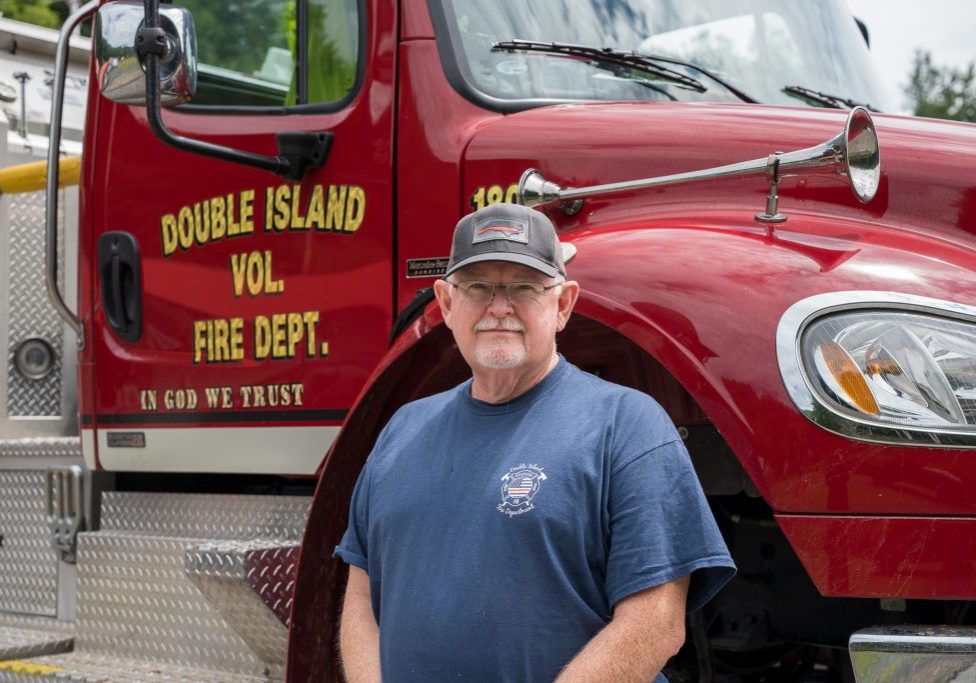
‘First Line of Defense’
During Hurricane Helene and its aftermath, rural fire departments and other first responder hubs played critical roles in keeping their communities safe, even without power and cut off from outside support for days or weeks after the storm. Two years later, plenty of work remains to ensure these hubs have the resources they need to operate day to day and be ready when emergencies or natural disasters strike.
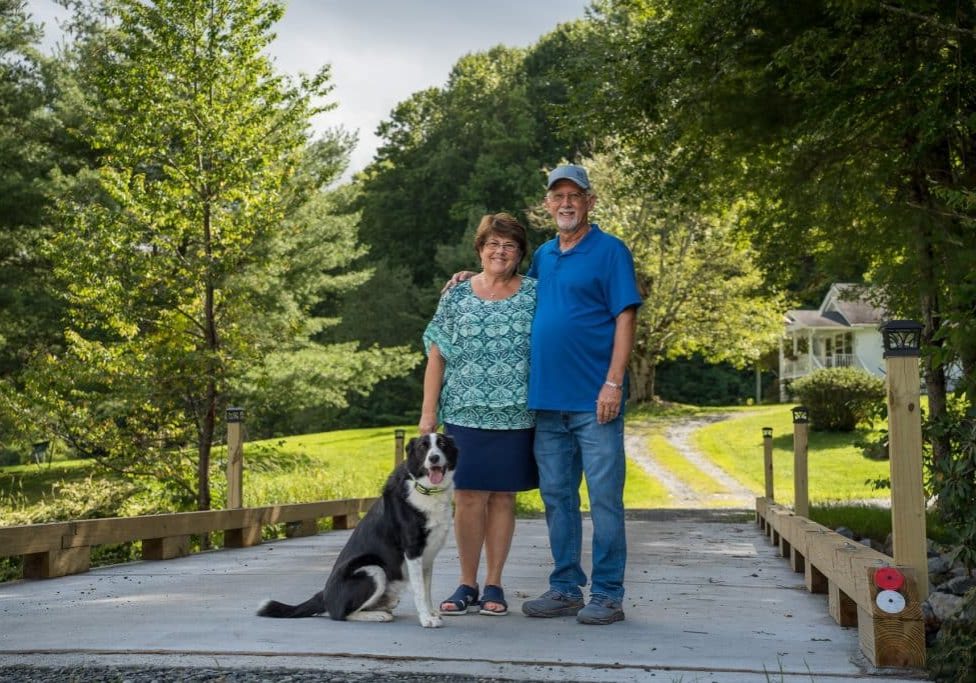
The Rocky Road — and Bridge — to Recovery
Hurricane Helene is estimated to have damaged nearly 7,000 private roads and bridges in Western North Carolina. Two years later, many restoration projects are complete, but the journey hasn’t been easy — and isn’t over for others.
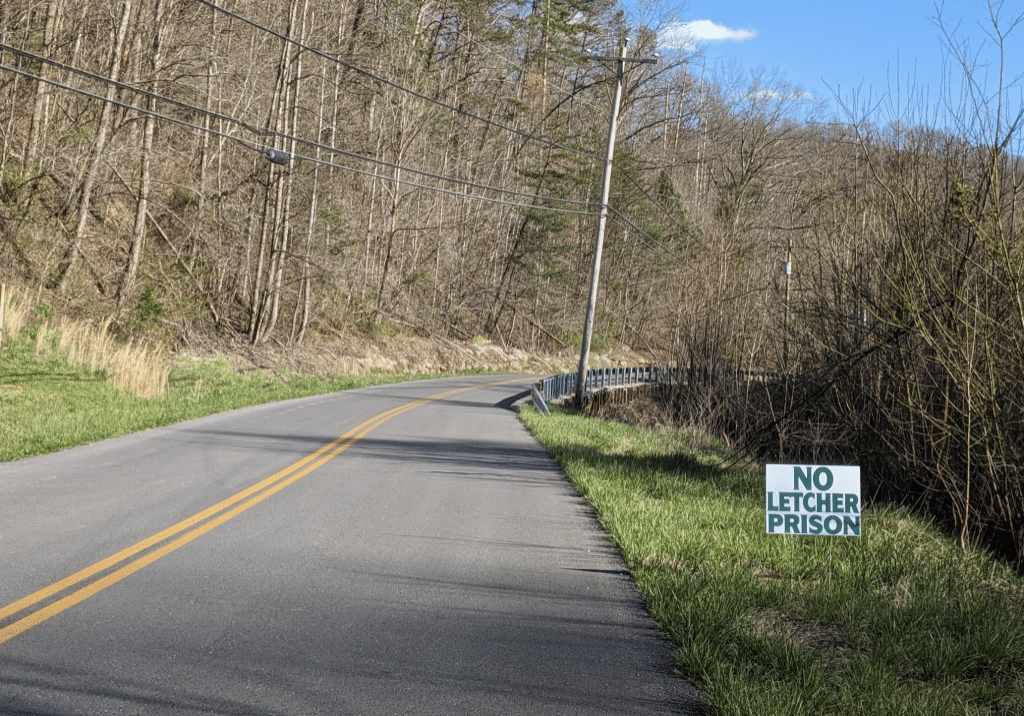
After 20 Years, Letcher County Prison Proposal Is Still Alive, Though Obstacles Remain
A $605 million proposal for a federal prison on a former strip mine site in Letcher County, Kentucky, championed by U.S. Rep. Hal Rogers, refuses to die, despite local opposition, a lack of support from the executive branch and numerous other obstacles.
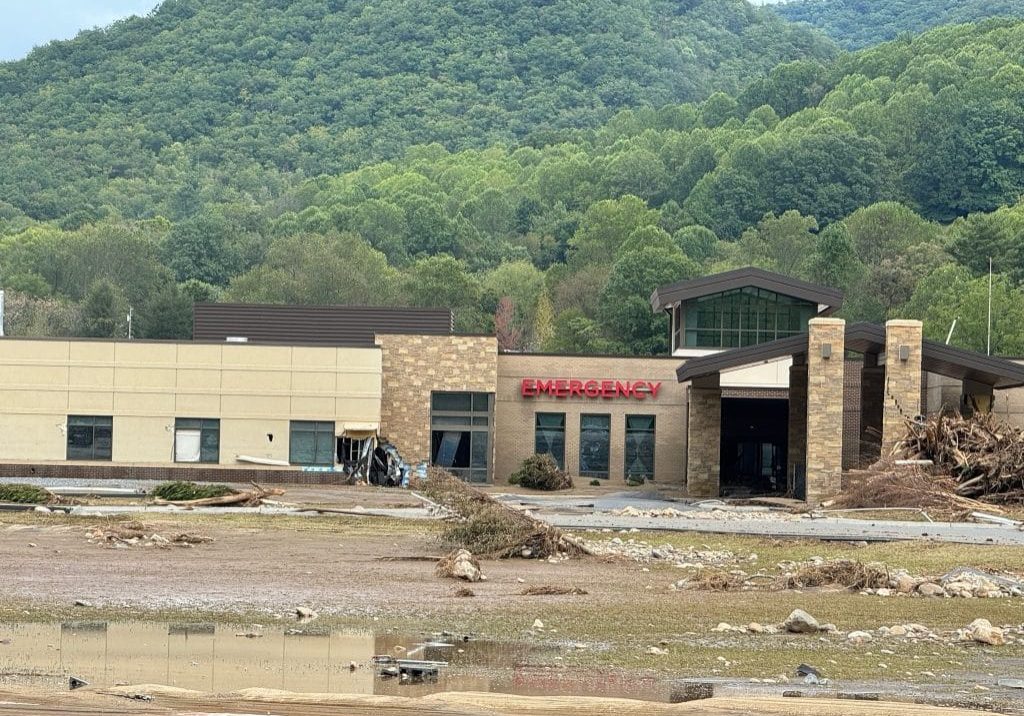
The Washout and Rebuild
For nearly two years, residents of Unicoi County, Tennessee, have had to make do without a hospital after Hurricane Helene destroyed the rural hospital. Ballad Health, which owns the hospital, broke ground on a new location — in another floodplain — in August 2026.
The Shenandoah Salamander
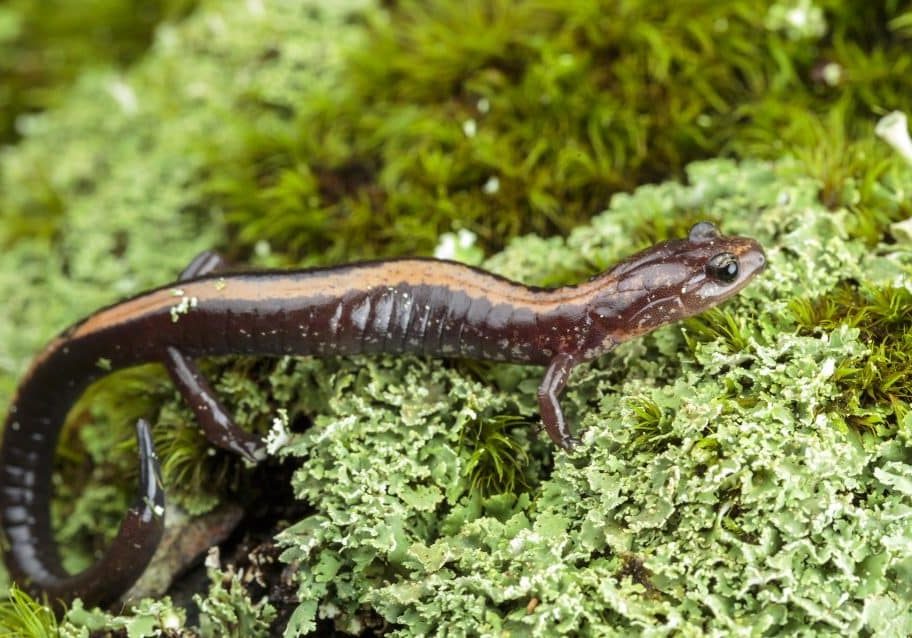
The Shenandoah salamander is a woodland salamander, which has adapted to life at higher elevations away from water. This sparkling rarity lives among the dry leaves, cracked logs, and stony hillocks on the highest peaks of Shenandoah National Park.
‘Foraging Is a Way of Connecting’
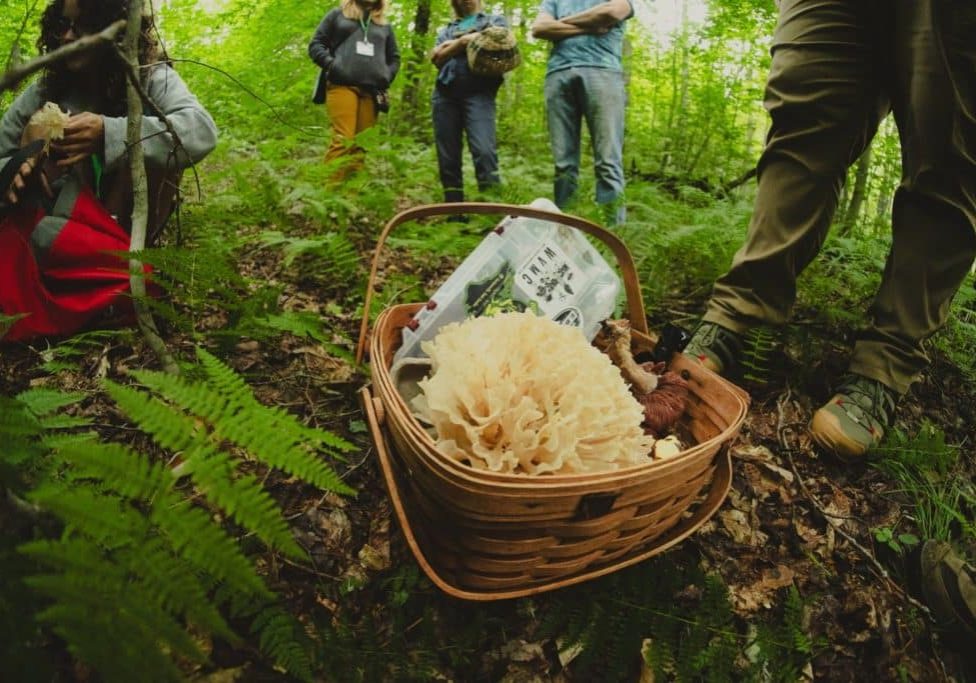
Foraging has experienced a modern resurgence, partly because of social media, online groups, the pandemic and people wanting to connect with nature. It also builds community, whether in person or online.

Leave a comment
Your email address will not be published. Required fields are marked *
Leave a Comment