

After emerging from bankruptcy, Patriot Coal CEO Bennett Hatfield said in an interview with SNL Energy that the 2012 settlement over selenium pollution that forced the company to begin phasing out mountaintop removal proved to be a “win-win.” Even before the settlement, Hatfield said, Patriot was finding it “increasingly undesirable to deploy mountaintop removal operations anyway” because of regulatory resistance and the likelihood that new permits would be met with litigation from environmental groups.
Solar Power Can Strengthen Economies, Researchers Say
A new report says that while the solar industries in neighboring states have generated thousands of jobs, West Virginia’s policies are holding the state back. Released by the West Virginia-based Downstream Strategies and The Mountain Institute’s Appalachia program, the report found that in Ohio, Pennsylvania and Maryland there are approximately 9,000 jobs associated with solar. West Virginia, however, ranks 51st in solar jobs per capita, at just under 100 jobs. The report focuses on five specific recommendations — including third-party financing, tax credits and other incentives for residential and commercial solar power — to address barriers preventing West Virginia from establishing an economically viable solar industry.
Absentee Corporations Still WV’s Largest Landowners
Land ownership patterns in West Virginia, a state with a reputation for being influenced by large absentee corporations, have remained largely unchanged for the past century, according to a report by the West Virginia Center on Budget and Policy and the American Friends Service Committee.
The report, titled “Who Owns West Virginia?” finds that not one of the state’s 10 largest private landowners is headquartered in West Virginia, and that large energy and land-holding corporations continue to control much of the resource-rich acres in the state. In five counties in the state’s southern coalfields – Wyoming, McDowell, Logan, Mingo and Boone – the top 10 landowners own at least 50 percent of private land. Researchers noted that during the last few decades, the number of major timber management operations on the list of the largest landowners has increased.
Hoping to raise awareness of the role that absentee and local land ownership has played in West Virginia’s economic development over time, researchers recommend policymakers devote resources to counties with the highest concentrations of land ownership and ensure that large landowners are adequately taxed.
To help accomplish this, the West Virginia Center on Budget and Policy has led a movement to establish the “Future Fund,” a permanent mineral trust fund to help asset-poor communities grow using revenue from coal and natural gas severance taxes.
Related Articles
Latest News
More Stories

Halloween Approaches, and Night School Is in Session
The House of Art in Bluefield, West Virginia, looks like a haunted tower, making it the perfect location for its sixth annual haunt event: Night School. The Night School will be open every Friday and Saturday night through Oct. 31.
‘The Most Perfect Act of Love’
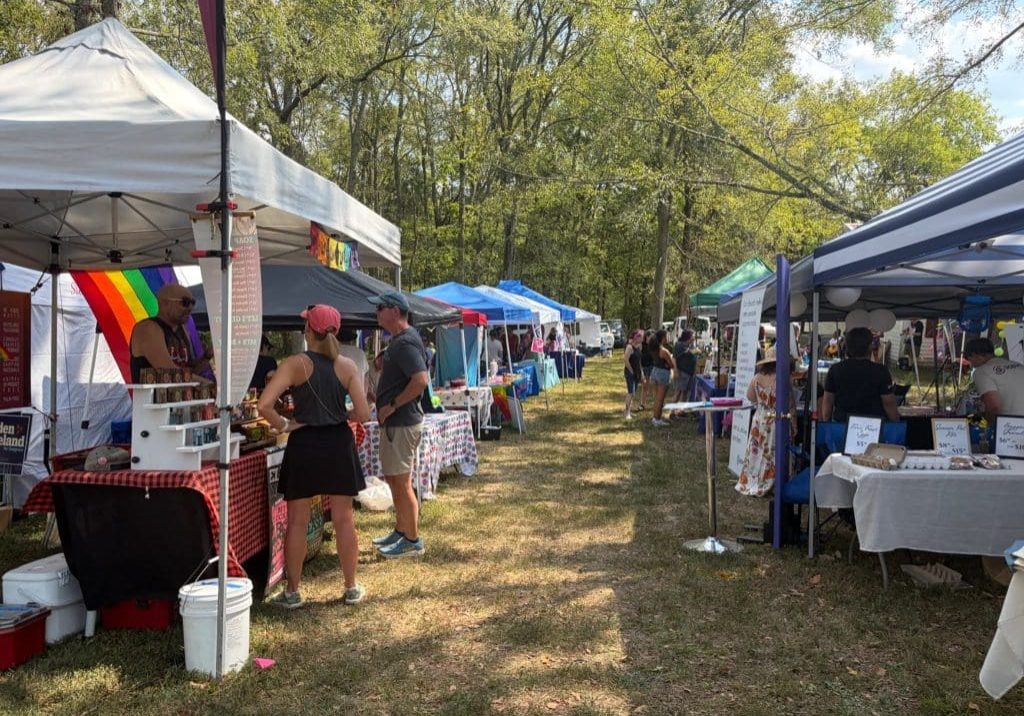
After losing its rural pride celebration, hundreds of people attended the second annual Affirming Sumner Pride celebration on a 24-acre farm dubbed “Fruity Farm” in Bethpage, Sumner County, Tennessee.

Signs of Life
In the Nantahala National Forest, a team of biologists spotted Indiana bats, an endangered species that hasn’t been seen in North Carolina for the last 11 years.

‘First Line of Defense’
During Hurricane Helene and its aftermath, rural fire departments and other first responder hubs played critical roles in keeping their communities safe, even without power and cut off from outside support for days or weeks after the storm. Two years later, plenty of work remains to ensure these hubs have the resources they need to operate day to day and be ready when emergencies or natural disasters strike.

The Rocky Road — and Bridge — to Recovery
Hurricane Helene is estimated to have damaged nearly 7,000 private roads and bridges in Western North Carolina. Two years later, many restoration projects are complete, but the journey hasn’t been easy — and isn’t over for others.
After 20 Years, Letcher County Prison Proposal Is Still Alive, Though Obstacles Remain
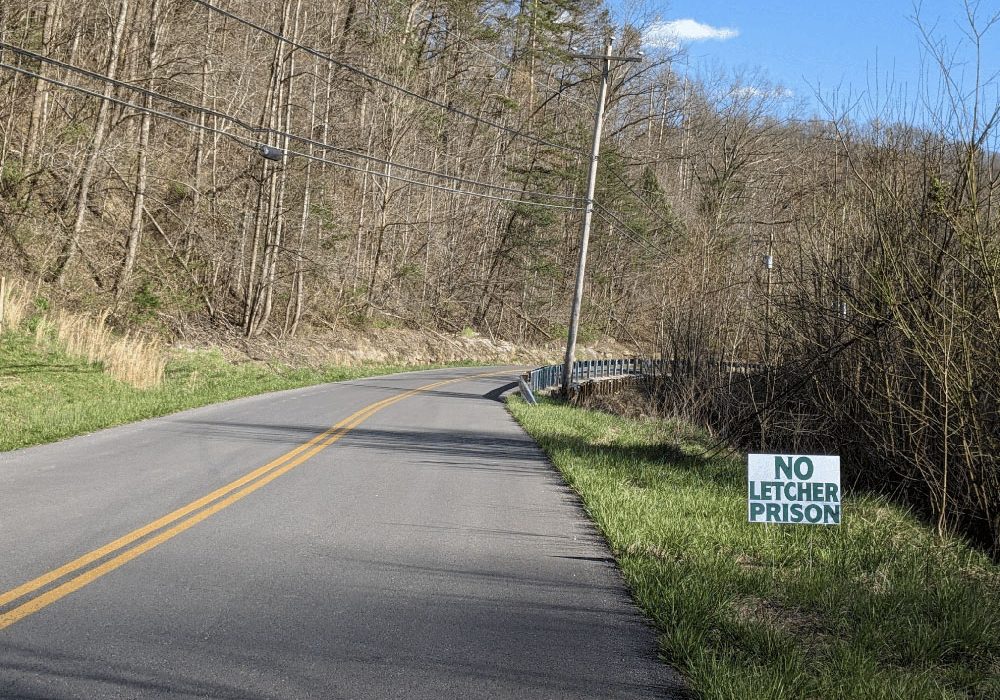
A $605 million proposal for a federal prison on a former strip mine site in Letcher County, Kentucky, championed by U.S. Rep. Hal Rogers, refuses to die, despite local opposition, a lack of support from the executive branch and numerous other obstacles.

Leave a comment
Your email address will not be published. Required fields are marked *
Leave a Comment