

Green Tea With a Splash of Bipartisanism
By Nolen Nychay
A new bipartisan coalition called Green Tea has emerged in Georgia, united by a mutual objective to revise the state’s environmental and economic legislation. The new alliance includes Libertarians, environmentalists, Tea Partiers and other conservative interest groups. The coalition aims to “educate and empower American consumers, advocate for common-sense energy policy and unlock the full potential of America’s energy future.”
The Green Tea Coalition is currently confronting the state’s energy monopoly, Georgia Power, which is owned by Southern Company, the nation’s fourth-largest utility. Since 1973, Georgia Power has generated all of the state’s electric power and depended on a grid supplied primarily by coal, natural gas and nuclear energy.
Green Tea conservative groups have supported increasing solar energy production to promote market diversity, spur competition and create new jobs. Advocacy efforts by early Green Tea affiliates contributed to a new energy mandate on Southern Co. that requires an added 525 gigawatts of solar energy to be produced by 2016.
Increasingly affordable, small photovoltaic projects in communities hold potential for significantly less dependence upon big utilities like Georgia Power. The Green Tea’s conservative groups support the possibility of energy self-sufficiency, especially since the only current option is a regulated monopoly.
Debbie Dooley, co-founder of the Atlanta Tea Party Patriots and current Green Tea advocate, says that partisan divisions are irrelevant when it comes to public access to electricity, and that grassroots activists have the power in numbers to topple the state’s current energy structure.
Conservative lobbyists for Georgia’s dominant energy interests have dubbed Green Tea “an unholy alliance.” Green Tea conservatives, however, contend that having environmental concerns is not indicative of liberal agenda, and that the way government manages natural resources should be scrutinized by all political interests.
The bipartisan efforts of the Green Tea coalition bode well for clean energy proponents, such as Diversified Energy Supply who seek to expand energy options in Georgia. Advocates hope the coalition can set precedents for what grassroots political groups can accomplish.
Related Articles
Latest News
More Stories
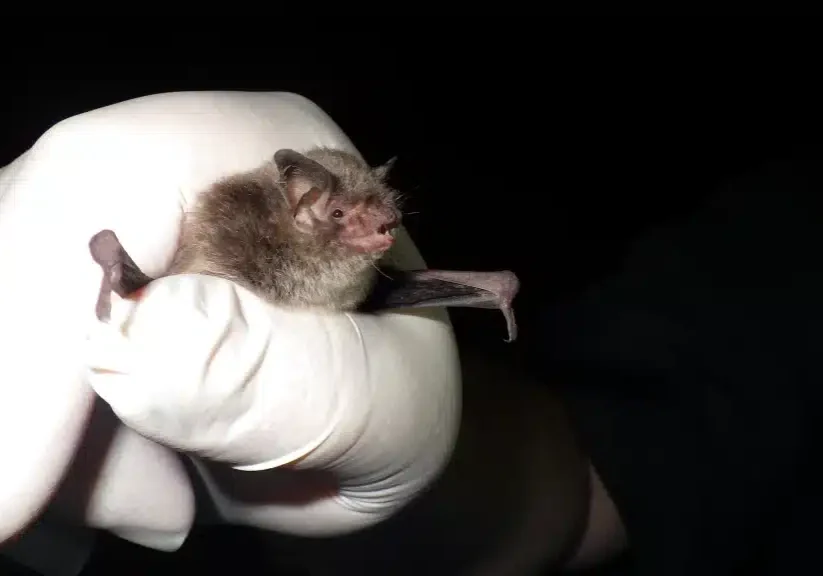
Signs of Life
In the Nantahala National Forest, a team of biologists spotted Indiana bats, an endangered species that hasn’t been seen in North Carolina for the last 11 years.

‘First Line of Defense’
During Hurricane Helene and its aftermath, rural fire departments and other first responder hubs played critical roles in keeping their communities safe, even without power and cut off from outside support for days or weeks after the storm. Two years later, plenty of work remains to ensure these hubs have the resources they need to operate day to day and be ready when emergencies or natural disasters strike.

The Rocky Road — and Bridge — to Recovery
Hurricane Helene is estimated to have damaged nearly 7,000 private roads and bridges in Western North Carolina. Two years later, many restoration projects are complete, but the journey hasn’t been easy — and isn’t over for others.
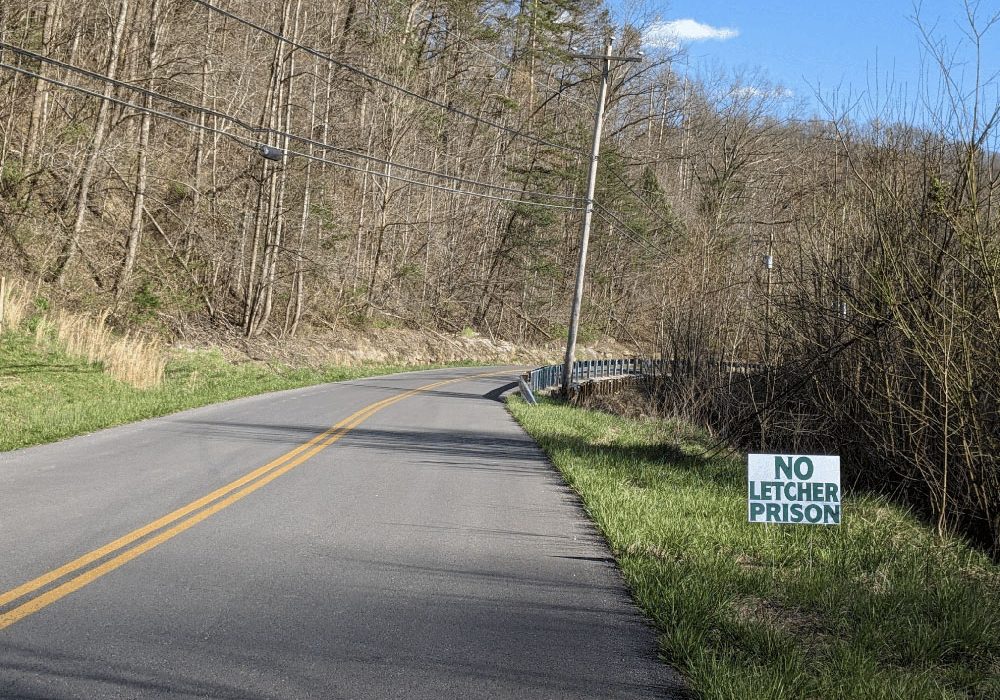
After 20 Years, Letcher County Prison Proposal Is Still Alive, Though Obstacles Remain
A $605 million proposal for a federal prison on a former strip mine site in Letcher County, Kentucky, championed by U.S. Rep. Hal Rogers, refuses to die, despite local opposition, a lack of support from the executive branch and numerous other obstacles.

The Washout and Rebuild
For nearly two years, residents of Unicoi County, Tennessee, have had to make do without a hospital after Hurricane Helene destroyed the rural hospital. Ballad Health, which owns the hospital, broke ground on a new location — in another floodplain — in August 2026.
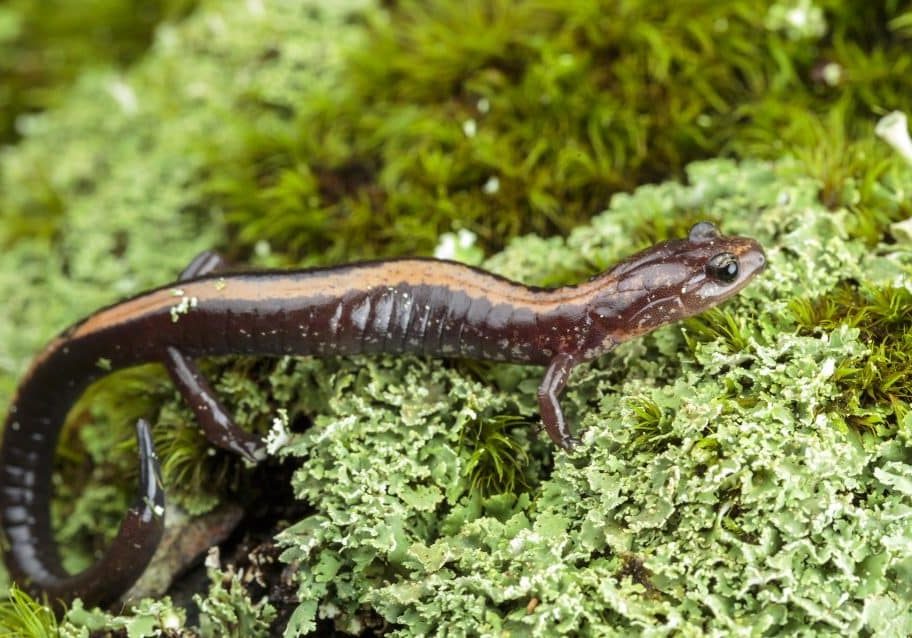
The Shenandoah Salamander
The Shenandoah salamander is a woodland salamander, which has adapted to life at higher elevations away from water. This sparkling rarity lives among the dry leaves, cracked logs, and stony hillocks on the highest peaks of Shenandoah National Park.

Leave a comment
Your email address will not be published. Required fields are marked *
Leave a Comment