

Podcasting Appalachian History

Dave Tabler runs the popular AppalachianHistory.net blog.
By Bill Kovarik
Dave Tabler’s education in art history didn’t prepare him to be an Appalachian historian so much as his hope to overcome the way his father “spent a lifetime running away from mean jokes about marrying your cousin and swilling moonshine.”
After helping his father with a book, Tabler started the Appalachian History blog in 2006 (appalachianhistory.net) as a personal exploration. By 2013, Dave Tabler had over 1,300 blog entries and hundreds of podcasts on topics ranging from mountain music to labor history to the personal experiences of Appalachian people.
Tabler tackles the stereotypes in the blog, trying to remain balanced between the underlying truth about lawlessness among moonshiners but also the destructive stereotypes of backwoods hooligans.
One of the most interesting things about the podcasts and blogs is what readers say in the comments section below the articles. The comments often show the ways that history can collect around open, informal presentations that invite reaction.
In the comments below an article about the 1920 shoot-out and trial in Matewan, W.Va., for instance, this exchange took place:
Sara: My Grandfather was part of this trial I have a copy of the transcripts, and at one point he was sentenced to 99 years later dropped
Doug: Sara, I would love to talk to you. I have Sid Hatfield’s police badge. I also have Albert and Lee Felts’ Baldwin Felts badges
Liz: Doug and Sara, please let me know if there is any way to get a copy of the transcript or a picture of the badges. My husband and I just purchased T.L. Felts home…
Nostalgia is important to Tabler. “Yes, I still love posts about swimming in mud holes and firing BB guns at bottles,” he admits. “But if that’s all I offer my readers, they’ll weary of the site quickly.”
“These days I get excited over interviewing and offering up work by innovative scholars, authors, filmmakers, and preservationists who have fresh perspectives on the region’s history,” he said. “I want to share with my readers and listeners the idea that history is a living thing, a deep reservoir from which to nourish today’s culture, a tool to shape our current notions of what our heritage is and therefore what to do next to preserve and extend it.”
Related Articles
Latest News
More Stories
Neighbors Help Neighbors
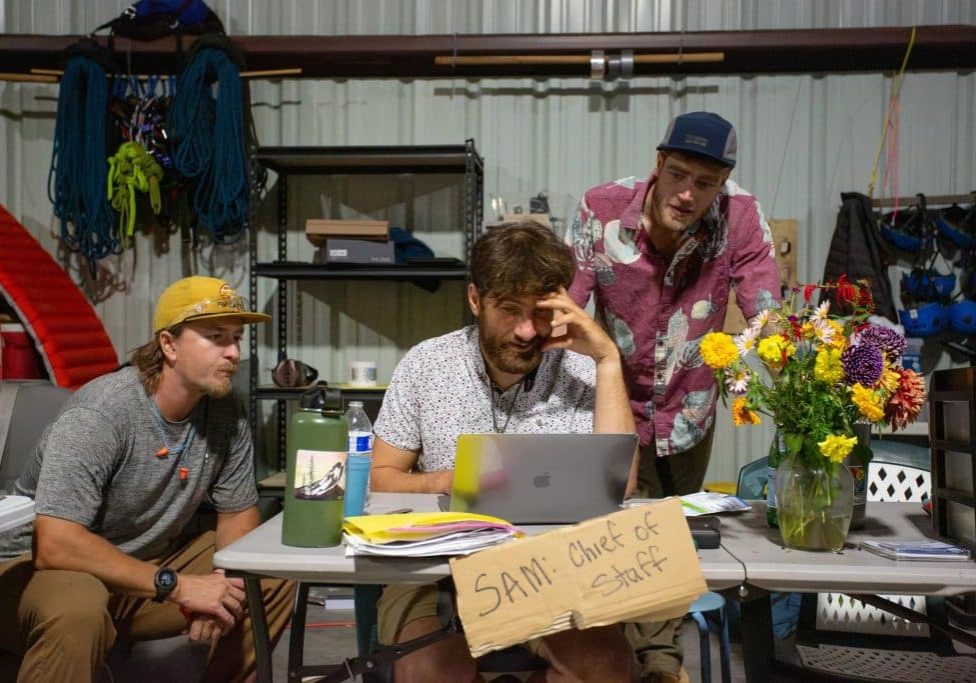
A photo essay that celebrates the volunteer spirit of the grassroots group Hurricane Helene WNC and speaks to the resourcefulness, collaboration and hard work embodied by thousands and thousands of volunteers, first responders and aid workers across the region after Hurricane Helene.
Halloween Approaches, and Night School Is in Session
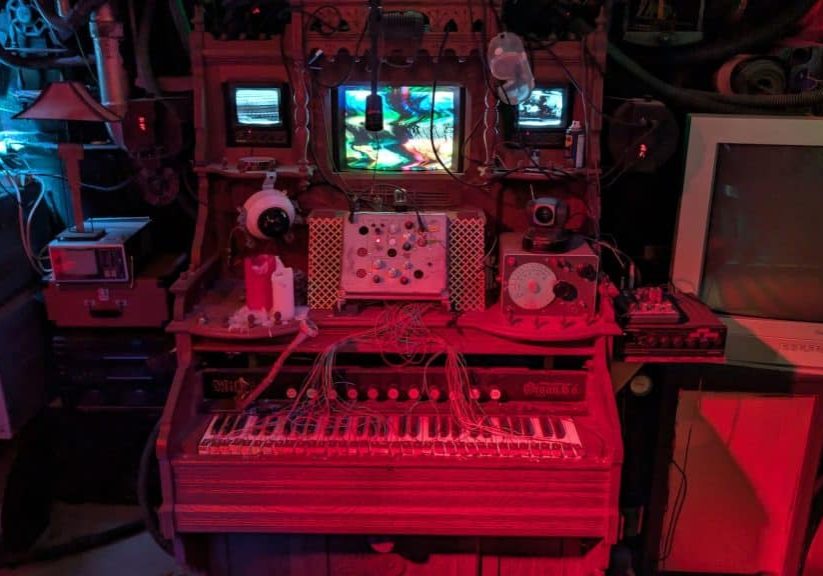
The House of Art in Bluefield, West Virginia, looks like a haunted tower, making it the perfect location for its sixth annual haunt event: Night School. The Night School will be open every Friday and Saturday night through Oct. 31.
‘The Most Perfect Act of Love’
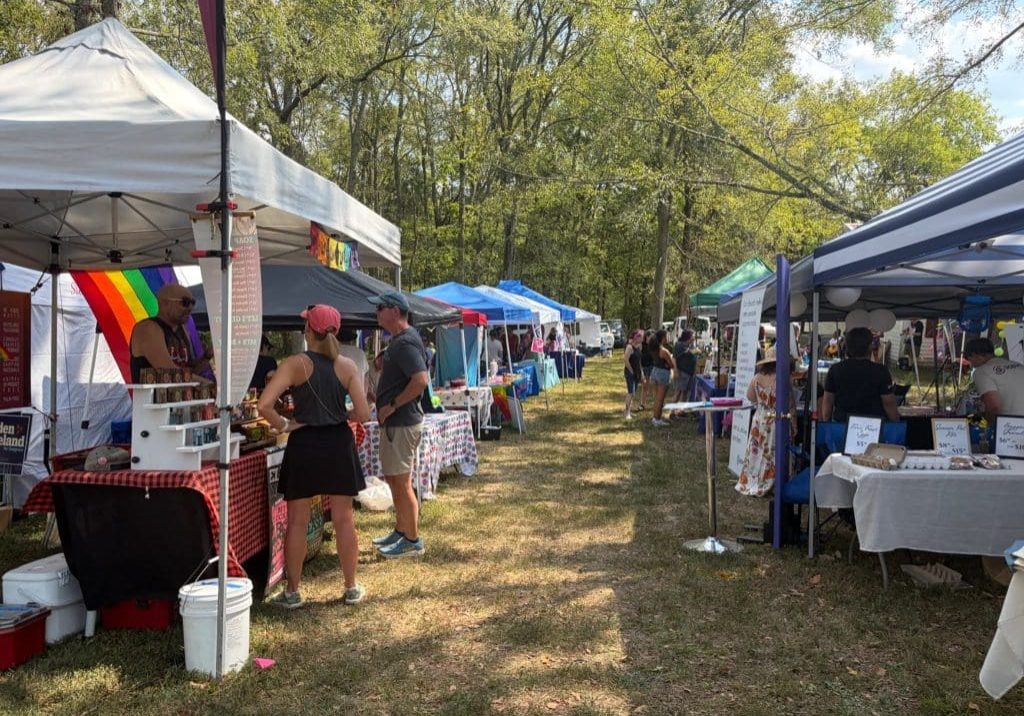
Hundreds of people attended the second annual Affirming Sumner Pride celebration on a 24-acre farm dubbed “Fruity Farm” in Bethpage, Sumner County, Tennessee.

Signs of Life: Endangered Bats Found in Nantahala for First Time in More Than a Decade
In the Nantahala National Forest, a team of biologists spotted Indiana bats, an endangered species that hasn’t been seen in North Carolina for the last 11 years.

‘First Line of Defense’
During Hurricane Helene and its aftermath, rural fire departments and other first responder hubs played critical roles in keeping their communities safe, even without power and cut off from outside support for days or weeks after the storm. Two years later, plenty of work remains to ensure these hubs have the resources they need to operate day to day and be ready when emergencies or natural disasters strike.

The Rocky Road — and Bridge — to Recovery
Hurricane Helene is estimated to have damaged nearly 7,000 private roads and bridges in Western North Carolina. Two years later, many restoration projects are complete, but the journey hasn’t been easy — and isn’t over for others.

Leave a comment
Your email address will not be published. Required fields are marked *
Leave a Comment