

Making Realistic Choices
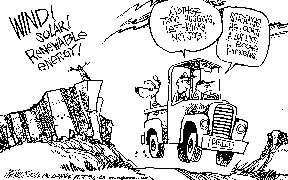
Proposals for new wind energy projects are generating controversy in Appalachia.
Opponents of wind projects, such as the ones in Tazewell or Highland counties of Virginia, or Barbour and Randolph counties of West Virginia, are worried about biodiversity, about safety, about property values and about views of the mountains.
This is perfectly understandable. The legitimate concerns of wind power opponents cannot be dismissed, nor will they be. The monitoring and mitigation plans being developed by scientists working with the US Fish and Wildlife Service, along with emerging state regulations, are keys to appropriate wind power development.
We understand the concern, but what’s hard to fathom is the extent to which wind power opponents feel that they live apart from the rest of the world. They argue for the mountains they love as if they can either take wind power or leave things as they are.
We believe that is not the realistic choice. It is vital to consider the impact of larger events and forces, and to recognize that things are simply not going to stay as they are. The climate is rapidly changing and the mountains and watersheds of Appalachia are being sacrificed at an alarming rate.
We have to conclude that the realistic choice is between renewable energy, leading to an Appalachia worth living in, and the current unsustainable path, leaving an arid, flattened, poisoned wasteland in its wake.
True, renewable energy sources like wind power aren’t perfect, but so far, they are the best answers we have.
In the end, if we choose a livable, sustainable Appalachia for tomorrow, we cannot complacently choose business as usual today.
Related Articles
Latest News
More Stories

Signs of Life
In the Nantahala National Forest, a team of biologists spotted Indiana bats, an endangered species that hasn’t been seen in North Carolina for the last 11 years.

‘First Line of Defense’
During Hurricane Helene and its aftermath, rural fire departments and other first responder hubs played critical roles in keeping their communities safe, even without power and cut off from outside support for days or weeks after the storm. Two years later, plenty of work remains to ensure these hubs have the resources they need to operate day to day and be ready when emergencies or natural disasters strike.

The Rocky Road — and Bridge — to Recovery
Hurricane Helene is estimated to have damaged nearly 7,000 private roads and bridges in Western North Carolina. Two years later, many restoration projects are complete, but the journey hasn’t been easy — and isn’t over for others.

After 20 Years, Letcher County Prison Proposal Is Still Alive, Though Obstacles Remain
A $605 million proposal for a federal prison on a former strip mine site in Letcher County, Kentucky, championed by U.S. Rep. Hal Rogers, refuses to die, despite local opposition, a lack of support from the executive branch and numerous other obstacles.
The Washout and Rebuild
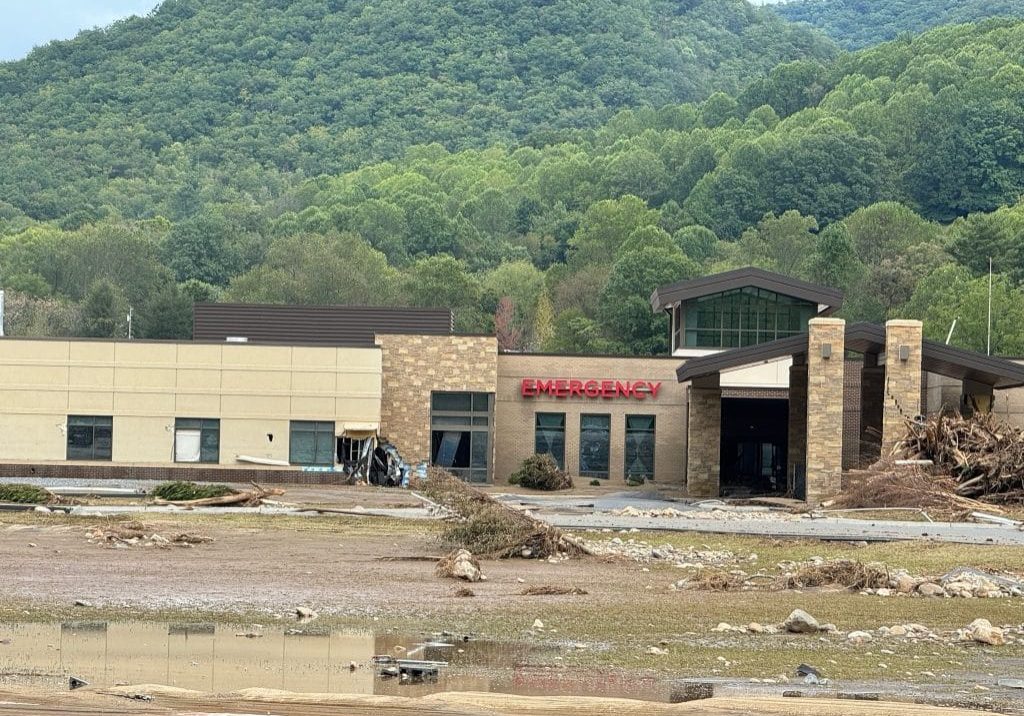
For nearly two years, residents of Unicoi County, Tennessee, have had to make do without a hospital after Hurricane Helene destroyed the rural hospital. Ballad Health, which owns the hospital, broke ground on a new location — in another floodplain — in August 2026.
The Shenandoah Salamander
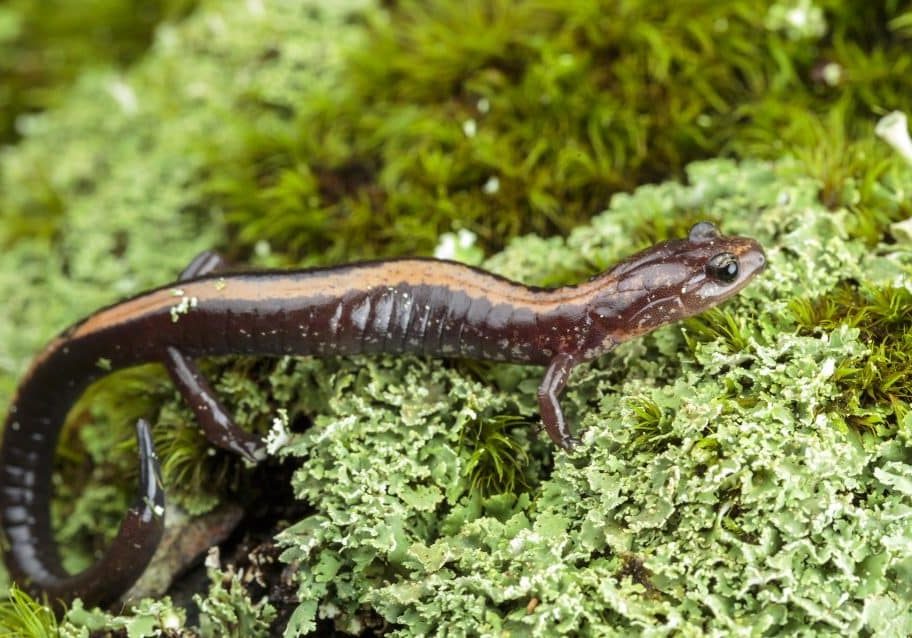
The Shenandoah salamander is a woodland salamander, which has adapted to life at higher elevations away from water. This sparkling rarity lives among the dry leaves, cracked logs, and stony hillocks on the highest peaks of Shenandoah National Park.

Leave a comment
Your email address will not be published. Required fields are marked *
Leave a Comment