

Bob Egbert: A Life of Service and Environmental Advocacy
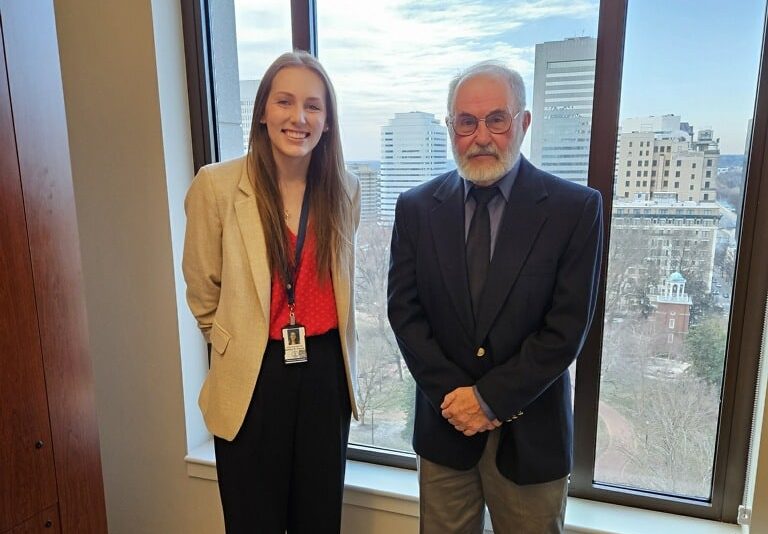
A Navy veteran, community activist and lifelong environmental advocate, Bob Egbert has spent decades working to protect Virginia’s environment and to strengthen citizen engagement in government.
He was born and raised in New Jersey, but made Virginia his home in 1975. After serving in the Navy for a couple of years during the Vietnam War, he built a career helping others while working as a therapeutic recreation specialist at Catawba Hospital until his retirement in 2013.
His path to activism began in the early 1980s with the Virginia Wilderness Committee, which works to protect Virginia’s wild places for future generations. In the early 1990s, he became deeply involved in a local fight to stop a proposed 765,000-volt powerline from cutting through Roanoke County. That fight led him to join the Sierra Club in 1995, where he became the local representative for the Virginia chapter.
Egbert began lobbying at the Virginia General Assembly in the early 2000s as a Sierra Club activist. He says those early trips to Richmond showed him firsthand how challenging it can be to meet directly with legislators — and how important it is to be prepared and determined.
He recalled one memorable lobby day where he tried to meet with now-retired state Sen. Bo Trumbo, but was told he was in a committee meeting. Later, he saw him outside the Capitol talking with someone else. After waiting for Trumbo to finish talking, Egbert introduced himself.
“I delivered my message to Senator Trumbo, in person, there outside the Capitol building,” he says in an email.
That moment reinforced an important lesson: Access may not come easily, but citizens still have a right to be heard.
During last year’s Conservation Lobby Day, Del. Joe McNamara, Egbert’s representative, wasn’t available to meet in person, but Egbert spoke to his legislative aide. The following summer, he was able to catch the delegate at McNamara’s Salem ice cream shop with members of his local church’s “green team.”
“A meeting in the district is usually best,” Egbert says. “There, the legislators have more time to meet with you.”
While he’s traveled to Richmond for advocacy a handful of times, most of his work has taken place closer to home by serving on citizen committees for Roanoke County and the city of Roanoke.
“Local engagement is just as important as lobbying at the state Capitol,” he says.
As a member of the Sierra Club and organizer with his church, he’s worked on a wide range of issues like bringing Amtrak service back to Roanoke, fighting the Mountain Valley Pipeline, and promoting clean energy and environmental stewardship.
He doesn’t have plans to travel to Richmond to lobby in 2026.
“This year, I will be doing my lobbying via phone and the U.S. Postal Service,” he says.
From decades of experience, he offers these lessons to anyone who wants to make a difference:
- Contact your legislators whenever and however you can.
“Don’t be intimidated by their titles — they work for you. Be assertive, but always respectful and polite,” he says. - Prepare carefully.
Learn the facts, know the issues and rehearse what you want to say. - Use good resources.
The Virginia Conservation Network offers excellent advocacy guides and videos to help citizens be more effective. - Be part of local groups and join larger movements.
Work with established organizations like Appalachian Voices or others that share your values. - Lead by example.
Live your values. Conserve energy and resources. Do less of the things you protest. “Be the change,” he says.
Related Articles
Latest News
More Stories

Halloween Approaches, and Night School Is in Session
The House of Art in Bluefield, West Virginia, looks like a haunted tower, making it the perfect location for its sixth annual haunt event: Night School. The Night School will be open every Friday and Saturday night through Oct. 31.
‘The Most Perfect Act of Love’
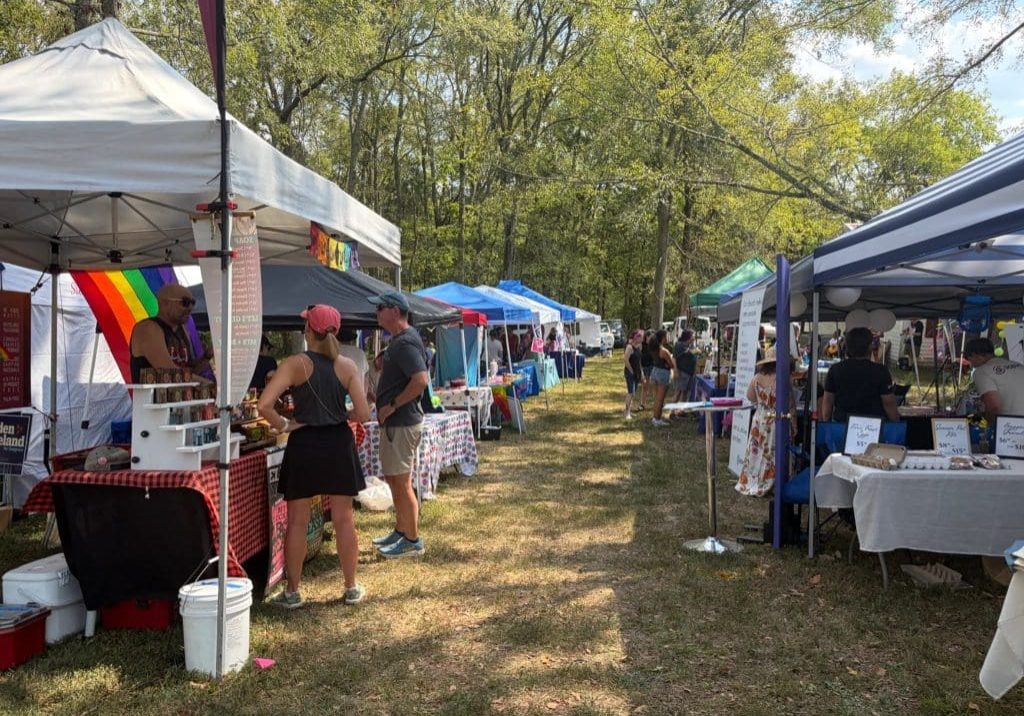
After losing its rural pride celebration, hundreds of people attended the second annual Affirming Sumner Pride celebration on a 24-acre farm dubbed “Fruity Farm” in Bethpage, Sumner County, Tennessee.

Signs of Life
In the Nantahala National Forest, a team of biologists spotted Indiana bats, an endangered species that hasn’t been seen in North Carolina for the last 11 years.

‘First Line of Defense’
During Hurricane Helene and its aftermath, rural fire departments and other first responder hubs played critical roles in keeping their communities safe, even without power and cut off from outside support for days or weeks after the storm. Two years later, plenty of work remains to ensure these hubs have the resources they need to operate day to day and be ready when emergencies or natural disasters strike.

The Rocky Road — and Bridge — to Recovery
Hurricane Helene is estimated to have damaged nearly 7,000 private roads and bridges in Western North Carolina. Two years later, many restoration projects are complete, but the journey hasn’t been easy — and isn’t over for others.
After 20 Years, Letcher County Prison Proposal Is Still Alive, Though Obstacles Remain
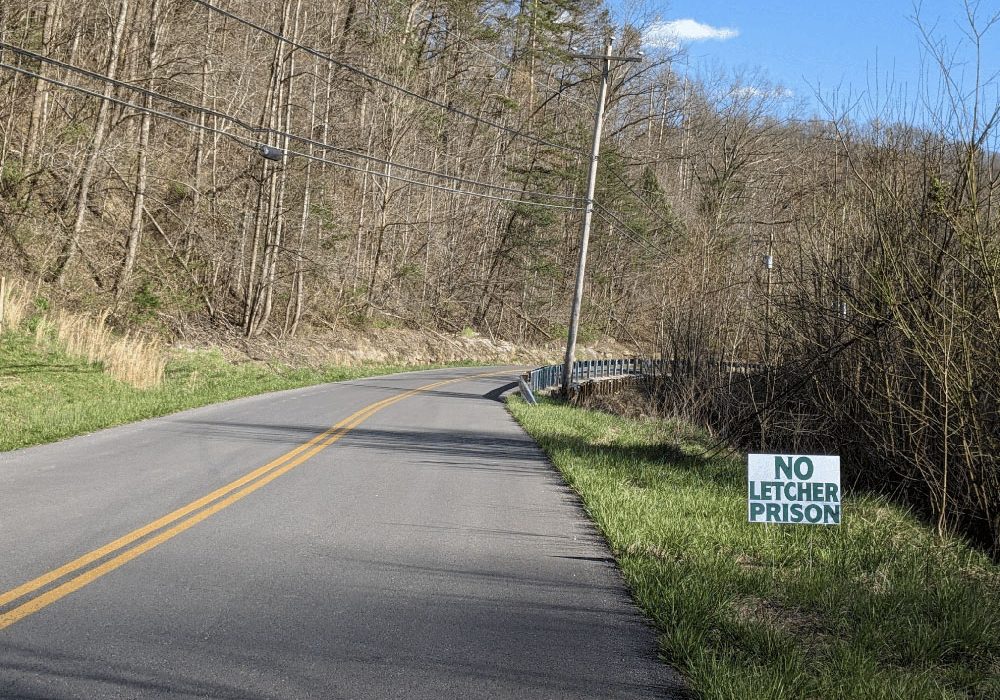
A $605 million proposal for a federal prison on a former strip mine site in Letcher County, Kentucky, championed by U.S. Rep. Hal Rogers, refuses to die, despite local opposition, a lack of support from the executive branch and numerous other obstacles.

Leave a comment
Your email address will not be published. Required fields are marked *
2 responses to “Bob Egbert: A Life of Service and Environmental Advocacy ”
-

Bob
Proud of your acomplishments. -
I have started a podcast.
I want to discuss CLEAN BEAUTIFUL COAL impact on people.
if your organization has a knowledgeable person I would like to speak with them.podcast
wake up America Bill Crafton


Leave a Comment