

Partnerships Protect Western North Carolina’s Rare Aquatic Ecosystems
By Brian Sewell
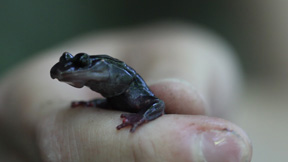
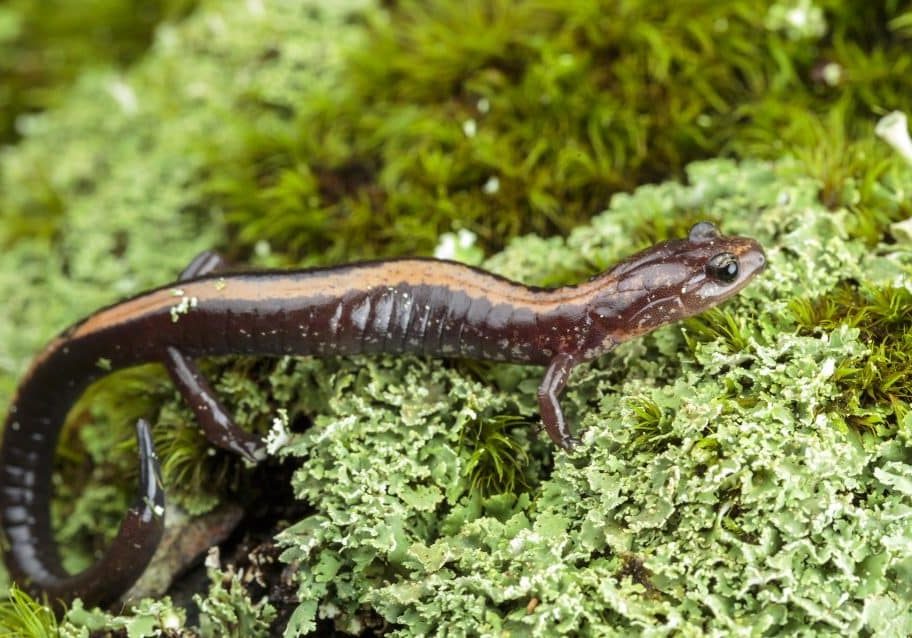
The South Mountain gray-cheeked salamander is a Globally Critically Imperiled species found in Box Creek Wilderness and is one of several local species which occur nowhere else in the world. Photo Courtesy of Foothills Conservancy of North Carolina
Public and private groups working together to protect land in Western North Carolina are making sure that the region’s aquatic ecosystems and the rare plants and animals found in them are also preserved.
The Box Creek Wilderness, a newly designated state Significant Natural Heritage Area, encompasses 3,300 acres along the McDowell-Rutherford county line. Collaboration between a conservation-minded landowner, Foothills Conservancy of North Carolina, and the N.C. Department of Environment and Natural Resources’ Natural Heritage Program led to the private tract’s protection.
A Morganton-based land trust, Foothills Conservancy identified the value of the area long ago. Serving as an ecological bridge between North Carolina’s Mountain and Piedmont regions, the area harbors a number of imperiled species, including the gray-cheeked salamander and Broad River stream crayfish, and serves as corridor for migratory birds.
Perennial streams lace the tract, including Box Creek, a primary tributary of the Second Broad River which supplies drinking water to residents of Rutherford County before joining the Broad River as it flows into South Carolina.
According to ecologists Kevin Caldwell and Lloyd Raleigh, the Box Creek Wilderness contains more than 30 miles of perennial streams, at least 90 low-elevation seeps, 20 identified rare vegetation communities, and more than 80 Natural Heritage Program Rare and Watch List species.
In a time when it is difficult to find public funds for land protection, Susie Hamrick-Jones, Foothills Conservancy’s executive director, praises the foresight of landowners like Tim Sweeney, the CEO of Epic Games in Cary, N.C., who owns the Box Creek Wilderness tract.
“Tim’s a great example for other landowners,” Jones said. “He saw opportunity in our area and understood the value of the lands that we’ve been looking at for so long.”
Jones said that most conservation occurs on private land and that government and non-profit funds cannot permanently protect all of North Carolina’s important natural areas.
In the mountainous counties to the north and west of the Box Creek Wilderness, a project proposed by the U.S. Fish and Wildlife Service seeks to protect some of the last remaining examples of Southern Appalachian bogs, isolated wetlands scattered across Western North Carolina that are biodiverse hotspots.
According to the FWS, mountain bogs provide food and shelter for game birds such as rails, ruffed grouse, turkey, and wood duck, and serve as breeding habitat for many species of amphibians, especially salamanders, of which the Southern Appalachians have the greatest diversity in the nation.
Where it is feasible, the FWS will allow wildlife observation, photography, education, and interpretation in bog areas currently closed to the public. The agency has already reached out to private landowners who have expressed interest in protection efforts.
For more information visit foothillsconservancy.org and fws.gov/southeast/mountainbogs.
Related Articles
Latest News
More Stories
Signs of Life
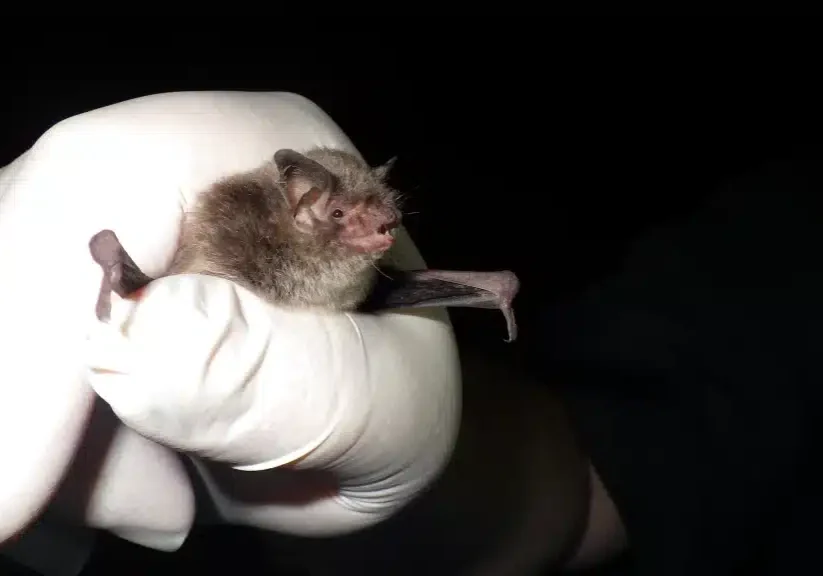
In the Nantahala National Forest, a team of biologists spotted Indiana bats, an endangered species that hasn’t been seen in North Carolina for the last 11 years.

‘First Line of Defense’
During Hurricane Helene and its aftermath, rural fire departments and other first responder hubs played critical roles in keeping their communities safe, even without power and cut off from outside support for days or weeks after the storm. Two years later, plenty of work remains to ensure these hubs have the resources they need to operate day to day and be ready when emergencies or natural disasters strike.

The Rocky Road — and Bridge — to Recovery
Hurricane Helene is estimated to have damaged nearly 7,000 private roads and bridges in Western North Carolina. Two years later, many restoration projects are complete, but the journey hasn’t been easy — and isn’t over for others.
After 20 Years, Letcher County Prison Proposal Is Still Alive, Though Obstacles Remain
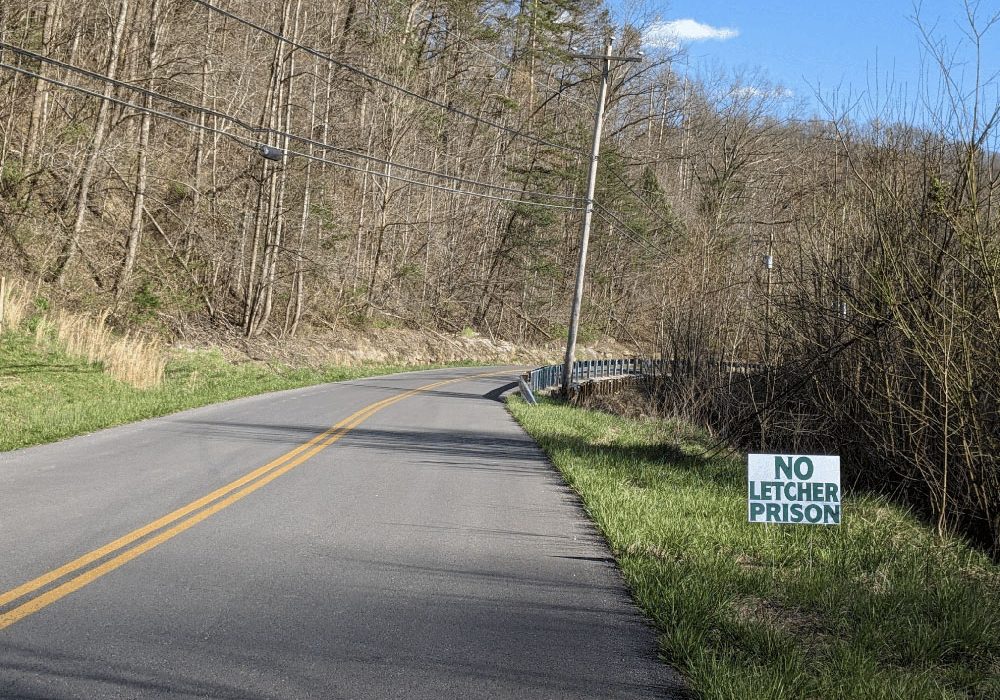
A $605 million proposal for a federal prison on a former strip mine site in Letcher County, Kentucky, championed by U.S. Rep. Hal Rogers, refuses to die, despite local opposition, a lack of support from the executive branch and numerous other obstacles.
The Washout and Rebuild
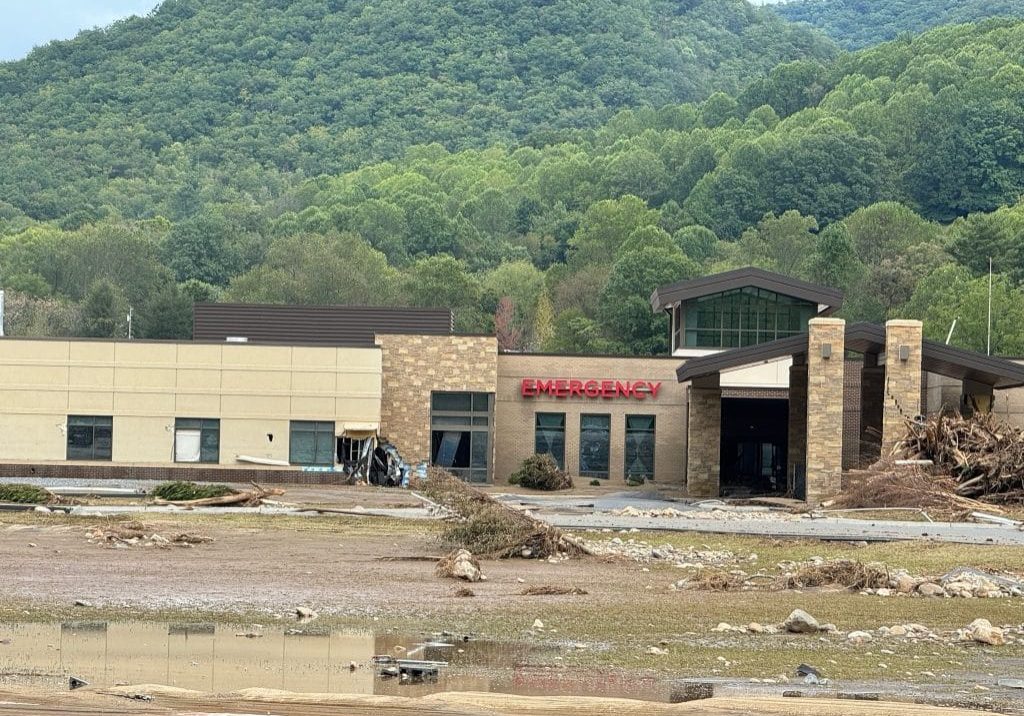
For nearly two years, residents of Unicoi County, Tennessee, have had to make do without a hospital after Hurricane Helene destroyed the rural hospital. Ballad Health, which owns the hospital, broke ground on a new location — in another floodplain — in August 2026.
The Shenandoah Salamander
The Shenandoah salamander is a woodland salamander, which has adapted to life at higher elevations away from water. This sparkling rarity lives among the dry leaves, cracked logs, and stony hillocks on the highest peaks of Shenandoah National Park.

Leave a comment
Your email address will not be published. Required fields are marked *
Leave a Comment