

A Simple Approach to Stewardship
An excerpt from a sermon by Pat Watkins
Lots of people of faith have rejected the overwhelming attractions of consumerism and have begun to give simple gifts at Christmas. Consumerism, which seems to overshadow Christmas far more than any theological reflections, has caused untold damage to our relationships with each other and with the planet. And as those relationships suffer, so too does our relationship with God.
Christian theology is clear. A simple life, free of possessions, is a God-centered life in which spirituality can have room to exist. Jesus told a story in the New Testament about a farmer who at harvest had more crops than he knew what to do with. Instead of giving away his excess food, he decided to tear down his small barns and build bigger ones so he’d have room for all his stuff. Then he decided to eat, drink and be merry. God called him a fool!
Greed is at the root of almost every environmental problem the planet faces. Mountaintop removal coal mining is a great example. All we seem to care about is selling coal in order to make a few rich people even richer. It’s not about supplying electricity or providing jobs in Appalachia. It’s about building even bigger barns for those in power while the people and the planet, continue to suffer. Greed is even more important than human life, as was evidenced in the Upper Big Branch mine disaster of 2010 in which 29 Massey Energy miners lost their lives in the name of greed.
The Psalms have beautiful words about the mountains: “The peaks of the mountains are God’s also,” and, “Let the mountains sing together for joy.” I can’t imagine what God must feel as He watches the mountains of Appalachia disappear.
Nowhere in the Biblical witness is there any evidence that God created the mountains so we could destroy them in order to become even richer; in fact, the Biblical witness declares just the opposite. When humans succumb to greed, our relationship with God is in peril.
In the Old Testament, God instructed the Israelites to allow the land to observe a Sabbath — or let the land lie unplanted — every seventh year. But the Israelites disobeyed God and ignored the Sabbath rule to make more money with that planting. When greed becomes more important than all else, our relationships with each other, the planet, and God become compromised and can be lost all together.
As we enter this holiday season, may we contemplate a simple life for ourselves and our families in terms of our gift-giving, and may we contemplate a simple life for the land as well. My prayer for all of you this holiday season is that in love and light you will find your birth and that in peace and freedom you will continue to redeem the Earth.
Related Articles
Latest News
More Stories
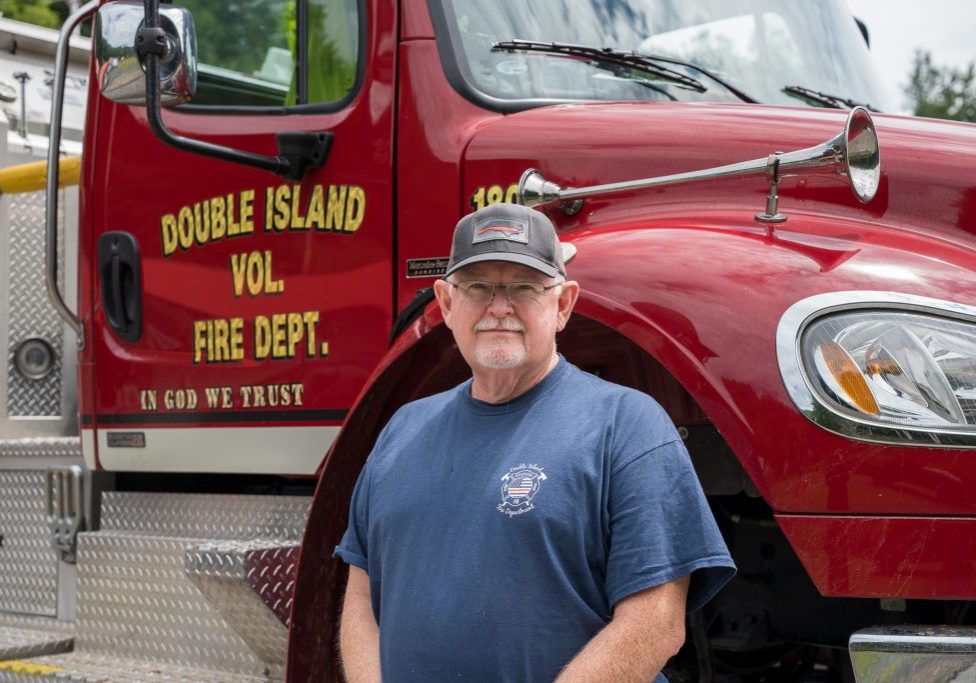
‘First Line of Defense’
During Hurricane Helene and its aftermath, rural fire departments and other first responder hubs played critical roles in keeping their communities safe, even without power and cut off from outside support for days or weeks after the storm. Two years later, plenty of work remains to ensure these hubs have the resources they need to operate day to day and be ready when emergencies or natural disasters strike.
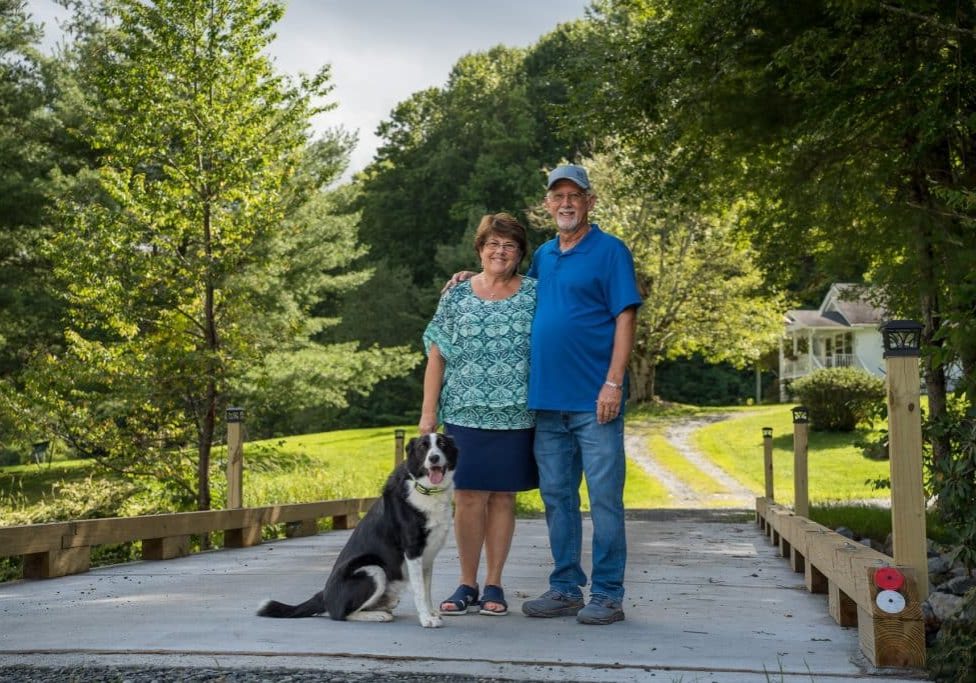
The Rocky Road — and Bridge — to Recovery
Hurricane Helene is estimated to have damaged nearly 7,000 private roads and bridges in Western North Carolina. Two years later, many restoration projects are complete, but the journey hasn’t been easy — and isn’t over for others.
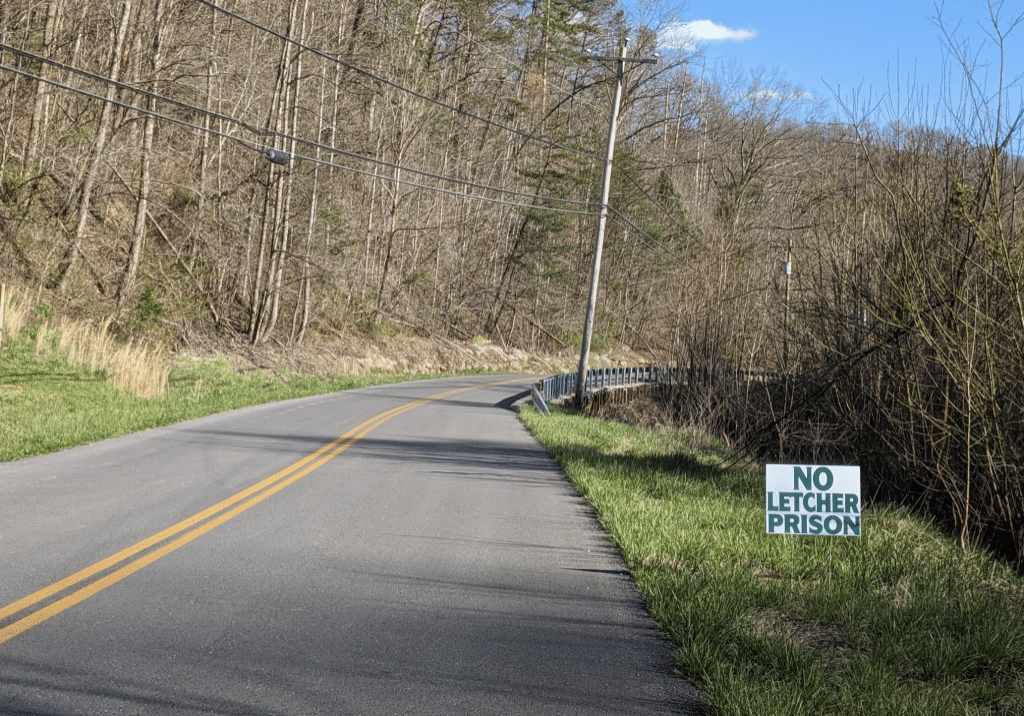
After 20 Years, Letcher County Prison Proposal Is Still Alive, Though Obstacles Remain
A $605 million proposal for a federal prison on a former strip mine site in Letcher County, Kentucky, championed by U.S. Rep. Hal Rogers, refuses to die, despite local opposition, a lack of support from the executive branch and numerous other obstacles.
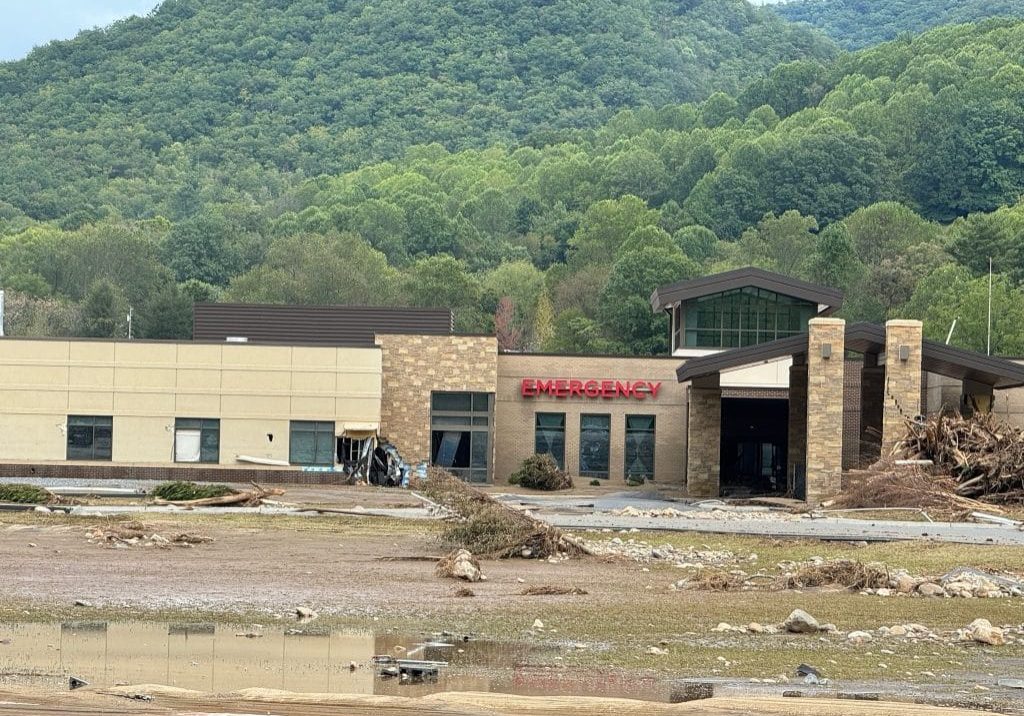
The Washout and Rebuild
For nearly two years, residents of Unicoi County, Tennessee, have had to make do without a hospital after Hurricane Helene destroyed the rural hospital. Ballad Health, which owns the hospital, broke ground on a new location — in another floodplain — in August 2026.
The Shenandoah Salamander
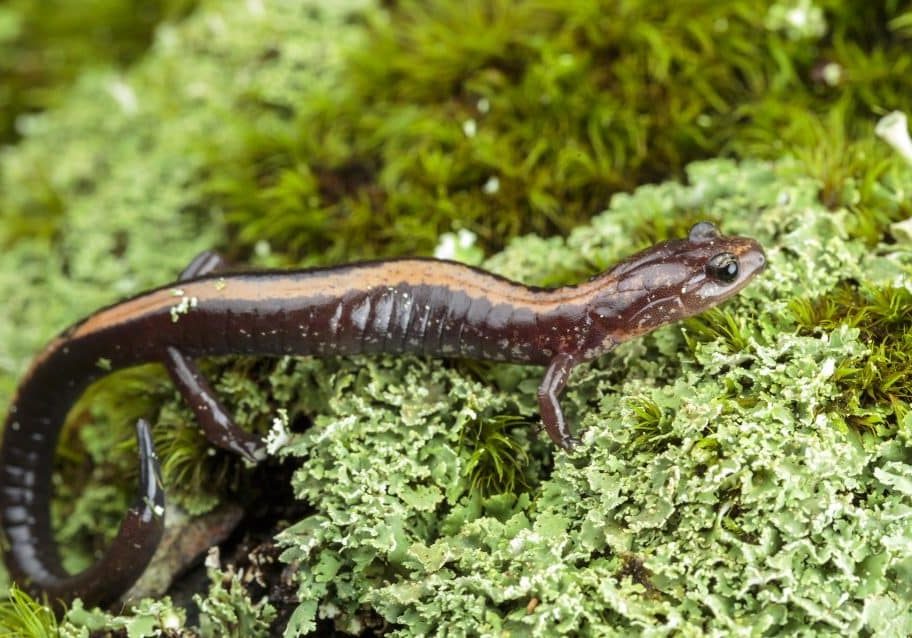
The Shenandoah salamander is a woodland salamander, which has adapted to life at higher elevations away from water. This sparkling rarity lives among the dry leaves, cracked logs, and stony hillocks on the highest peaks of Shenandoah National Park.
‘Foraging Is a Way of Connecting’
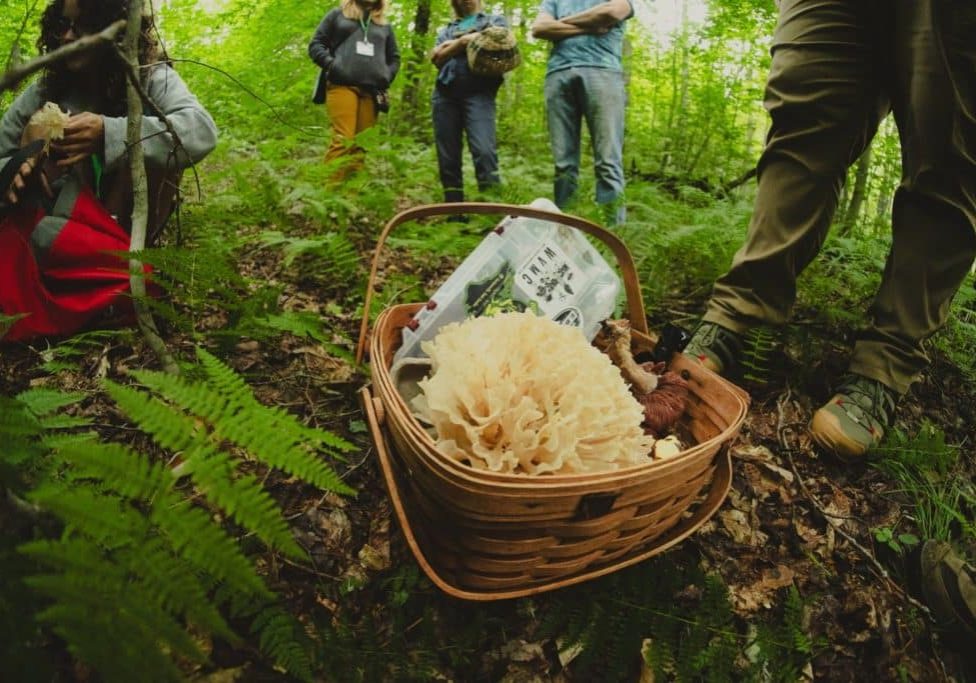
Foraging has experienced a modern resurgence, partly because of social media, online groups, the pandemic and people wanting to connect with nature. It also builds community, whether in person or online.

Leave a comment
Your email address will not be published. Required fields are marked *
Leave a Comment