

By Debra Murray
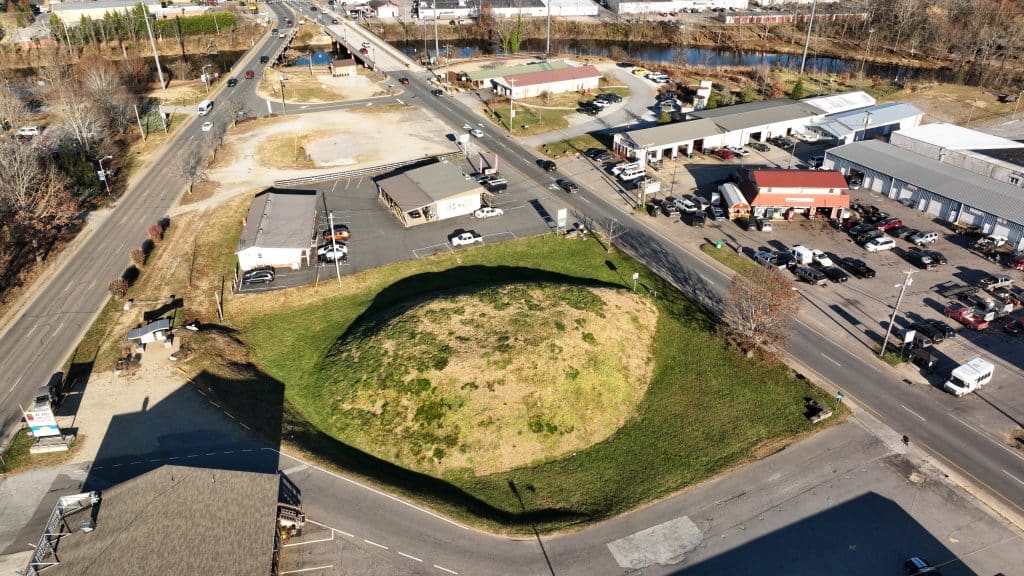
In early 2026, the Noquisiyi Mound, a sacred and historically significant Cherokee site in what is now Franklin, North Carolina, was deeded back to the Eastern Band of Cherokee Indians.
The mound is located in what was originally a Cherokee mother town called Noquisiyi, which was drawn on a map as early as 1544. A mother town is a sacred place or area where the Cherokee originally settled. Since the early 1800s, the mound had been owned by the city of Franklin or private landowners.
In the 1940s, residents of Macon County raised money for the city of Franklin to buy the land from a private owner to preserve it. The 1946 deed included restrictions on the site that recognized the need for special care. However, in 2012, city employees sprayed weed killer on the sacred mound in an attempt to replace it with a type of grass that requires less mowing.
In 2014, the Eastern Band of Cherokee Indians formally passed a resolution seeking the return of the site.
Elaine Eisenbraun is the executive director of the Noquisi Initiative, the nonprofit that transferred the property to the Eastern Band of Cherokee Indians after holding the deed to the mound since 2019. The Noquisi Initiative’s mission includes developing a cultural corridor along the Little Tennessee River with signage providing visitors with information about Cherokee heritage. In 2020, Franklin, the EBCI government and the Noquisi Initiative had a groundbreaking for a kiosk at the mound as part of a cultural corridor.
The Noquisi Initiative was founded in 2016 when the Cherokee communities and Franklin began working together to preserve Cherokee heritage in the area, and to make the process of returning the mound to the tribe possible, which was considered the center of the nonprofit’s work.
“We’ve always had in the back of our minds a desire to return it to the Eastern Band of Cherokee Indians,” Eisenbraun says. “It’s not a simple process. We had to wait till the time was right and we had the right legal advice to make sure we did it correctly.”
The restrictions placed on the deed when the nonprofit acquired it required the land to be released back to the city if they wanted to transfer it. Eisenbraun explains that it took a collaborative effort between the legal counsel representing the city, the Noquisi Initiative and the Eastern Band of Cherokee Indians to ensure the restrictions were lifted before the property was transferred to the tribe.
“Our deed came with a lot of encumbrances and restrictions, and we didn’t want to pass those on to the tribe,” Eisenbraun says. “It was their property, and to give it back to them with restrictions didn’t make much sense at all.”
Jordan Oocumma is the mound’s groundskeeper and also a member of the Eastern Band of Cherokee Indians. He feels honored to care for the mound because it allows him to preserve Cherokee history.
Noquisiyi means star-place, Oocumma explains. Noquisiyi was considered home to Nunne’hi, immortal warriors who protected the Cherokee in wartime, according to the Cultural Landscape Foundation.
“It’s called that because it said that when the Creator sons came here to visit, that when they landed on Earth, they landed there,” Oocumma says. “That mound was built there as a result.”
The mound is part of a cultural corridor, started by the Noquisi Initiative, to share Cherokee history in Georgia, North Carolina and Tennessee. Currently, there are a few signs sharing the history of the mound and Cherokee presence in the area, and a learning center is planned for the site.
“I think if we get that going, it’d be perfect to teach people,” Oocumma says.
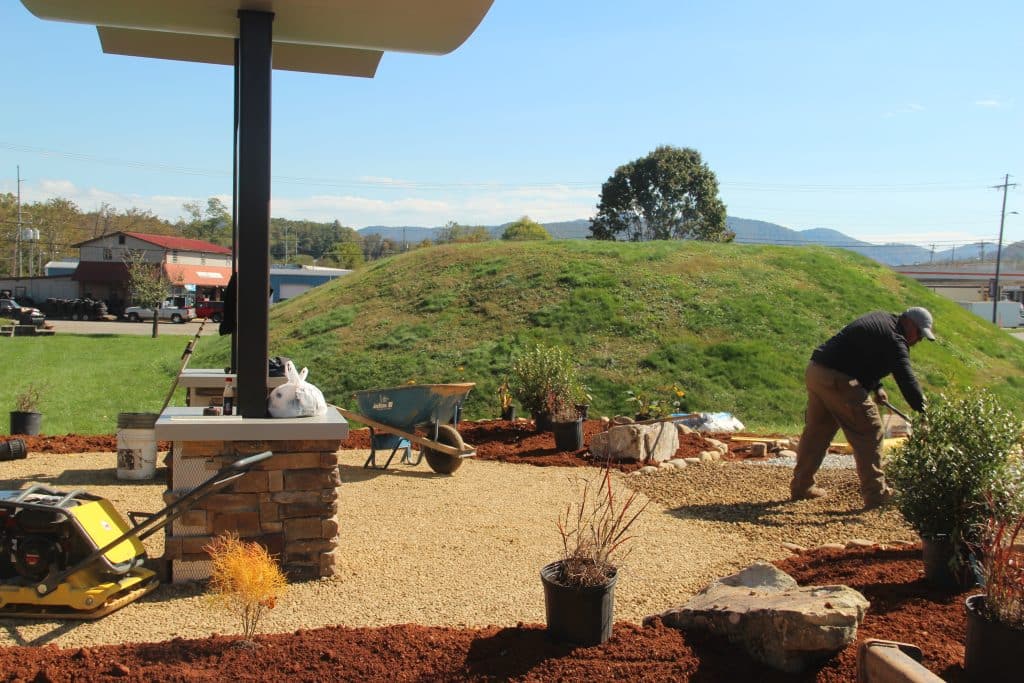
Eisenbraun shares that the mound’s return has long been awaited by Cherokee members.
“The mound is considered a living member of the community, and it’s coming home to the people, and anytime someone comes home, that’s just a joyous thing,” Eisenbraun says.
The mound is now the last standing part of the historic Cherokee town Noquisiyi and will be the EBCI’s property after over 200 years.
“The mound is almost like an icon because of its history and what it’s been through; it’s almost like an icon for trust and empathy and transparency across populations,” Eisenbraun says. “While it has its own story to tell, it can also help us learn to tell our stories in a way that is never hurtful to others and always helps to uplift all the different communities around us.”
In January, the Franklin City Council voted unanimously to return the mound to the Eastern Band of Cherokee Indians. One month later, the deed was officially signed.
“I am proud of the work that led us here, and I am grateful to see Nikwasi returned to where it belongs, with the Eastern Band of Cherokee Indians,” Principal Chief Michell Hicks wrote on Facebook when the city council voted to return the deed to the EBCI.
Hicks sees the return of the Noquisiyi Mound as part of an ongoing effort to preserve Cherokee heritage.
“While we celebrate today, we remain mindful that the work of land reclamation continues, including our ongoing efforts to protect and restore historic Cherokee lands and sacred sites in Tennessee,” Hicks wrote about the deed signing in a Facebook post the day of the event. “Each step forward strengthens our sovereignty and reinforces our commitment to future generations. Today was historic. Tomorrow, the work continues.”
Related Articles
Latest News
More Stories

‘First Line of Defense’
During Hurricane Helene and its aftermath, rural fire departments and other first responder hubs played critical roles in keeping their communities safe, even without power and cut off from outside support for days or weeks after the storm. Two years later, plenty of work remains to ensure these hubs have the resources they need to operate day to day and be ready when emergencies or natural disasters strike.

The Rocky Road — and Bridge — to Recovery
Hurricane Helene is estimated to have damaged nearly 7,000 private roads and bridges in Western North Carolina. Two years later, many restoration projects are complete, but the journey hasn’t been easy — and isn’t over for others.
After 20 Years, Letcher County Prison Proposal Is Still Alive, Though Obstacles Remain
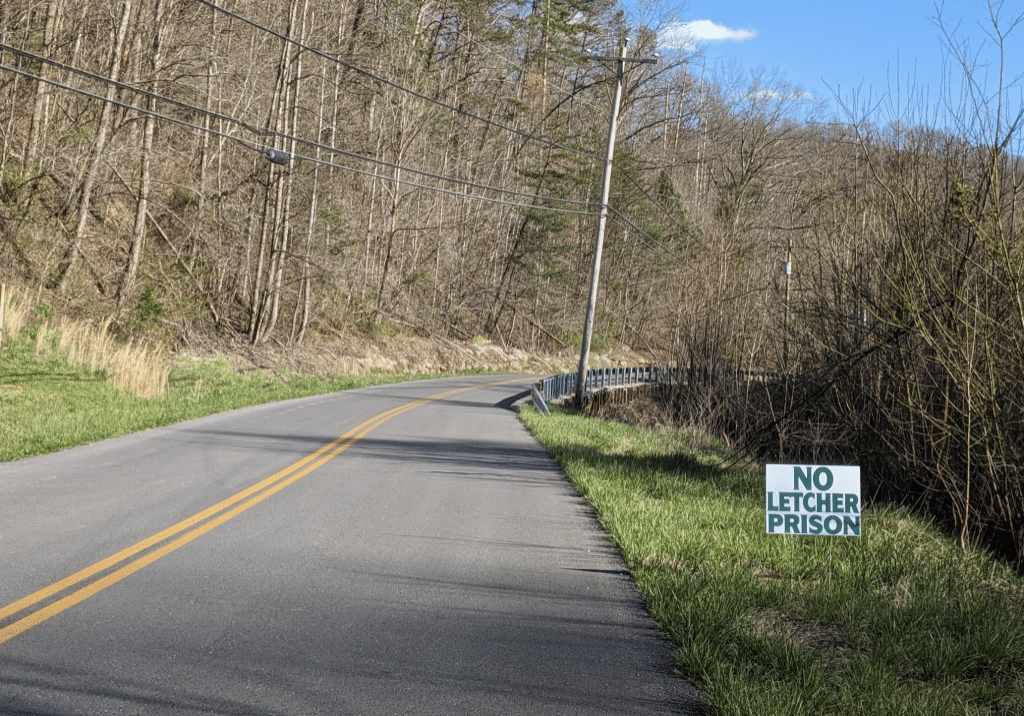
A $605 million proposal for a federal prison on a former strip mine site in Letcher County, Kentucky, championed by U.S. Rep. Hal Rogers, refuses to die, despite local opposition, a lack of support from the executive branch and numerous other obstacles.
The Washout and Rebuild
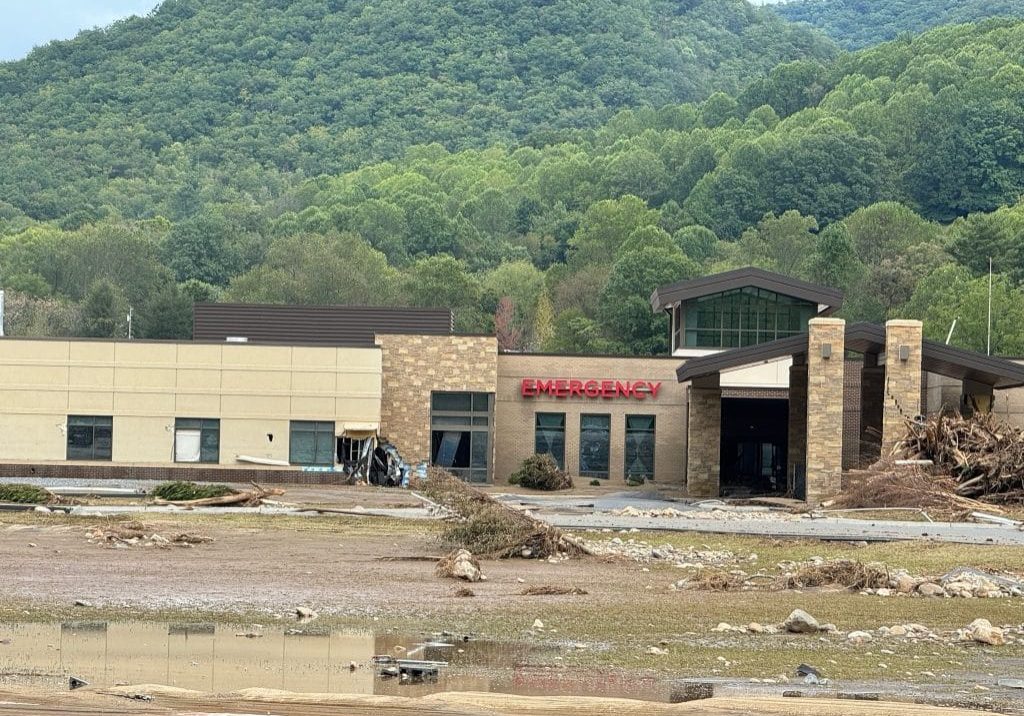
For nearly two years, residents of Unicoi County, Tennessee, have had to make do without a hospital after Hurricane Helene destroyed the rural hospital. Ballad Health, which owns the hospital, broke ground on a new location — in another floodplain — in August 2026.
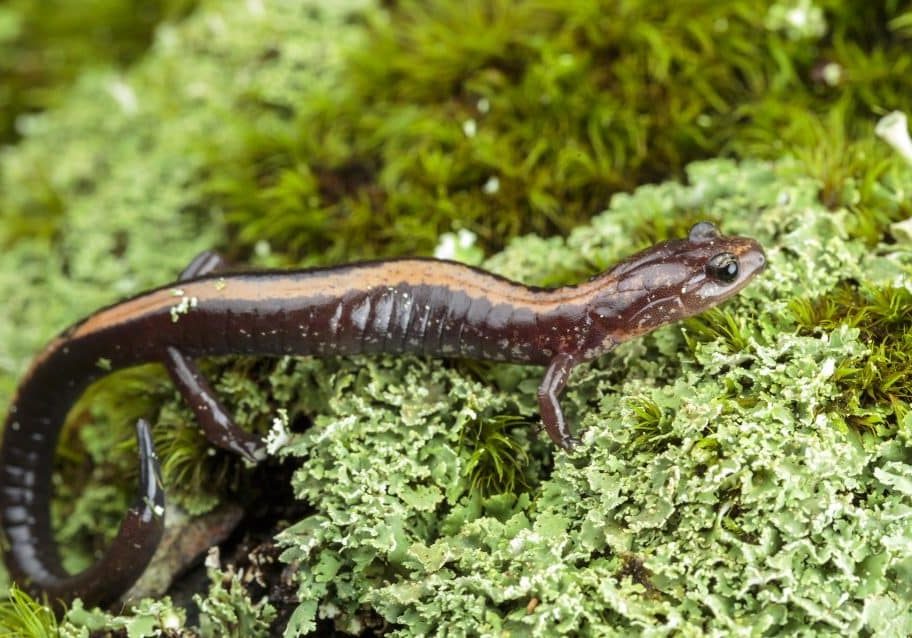
The Shenandoah Salamander
The Shenandoah salamander is a woodland salamander, which has adapted to life at higher elevations away from water. This sparkling rarity lives among the dry leaves, cracked logs, and stony hillocks on the highest peaks of Shenandoah National Park.
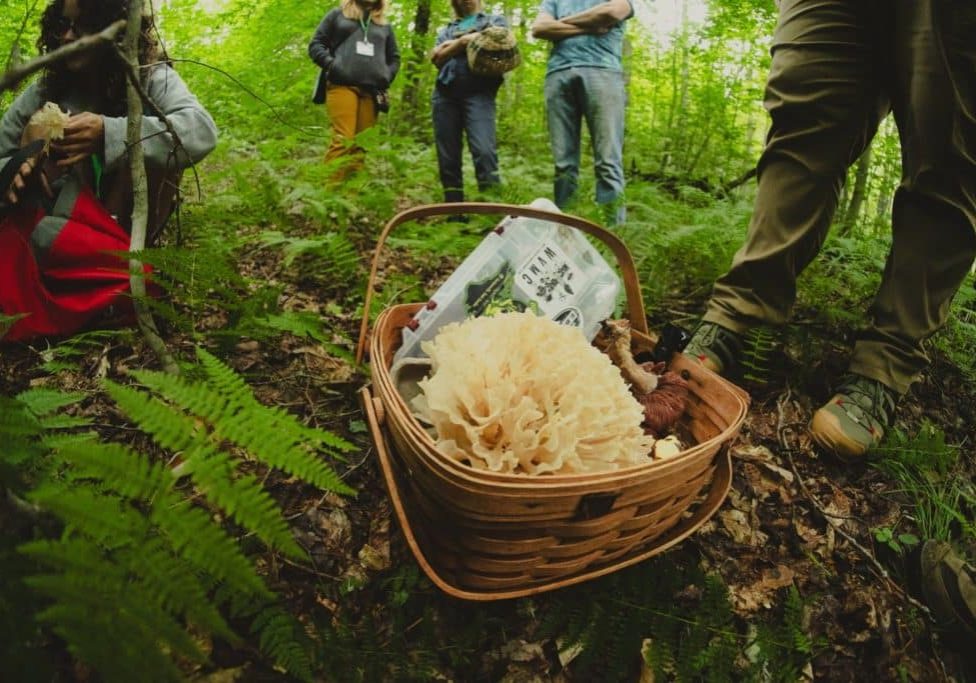
‘Foraging Is a Way of Connecting’
Foraging has experienced a modern resurgence, partly because of social media, online groups, the pandemic and people wanting to connect with nature. It also builds community, whether in person or online.

Leave a comment
Your email address will not be published. Required fields are marked *
Leave a Comment