FERC authorizes SSEP pipeline
Local communities, elected officials have opposed unnecessary project
FOR IMMEDIATE RELEASE
January 30, 2026
CONTACT
Andy Li, [email protected]
WASHINGTON, D.C. — Yesterday, the Federal Energy Regulatory Commission authorized the dangerous, expensive and unnecessary Southeast Supply Enhancement Project, or SSEP.
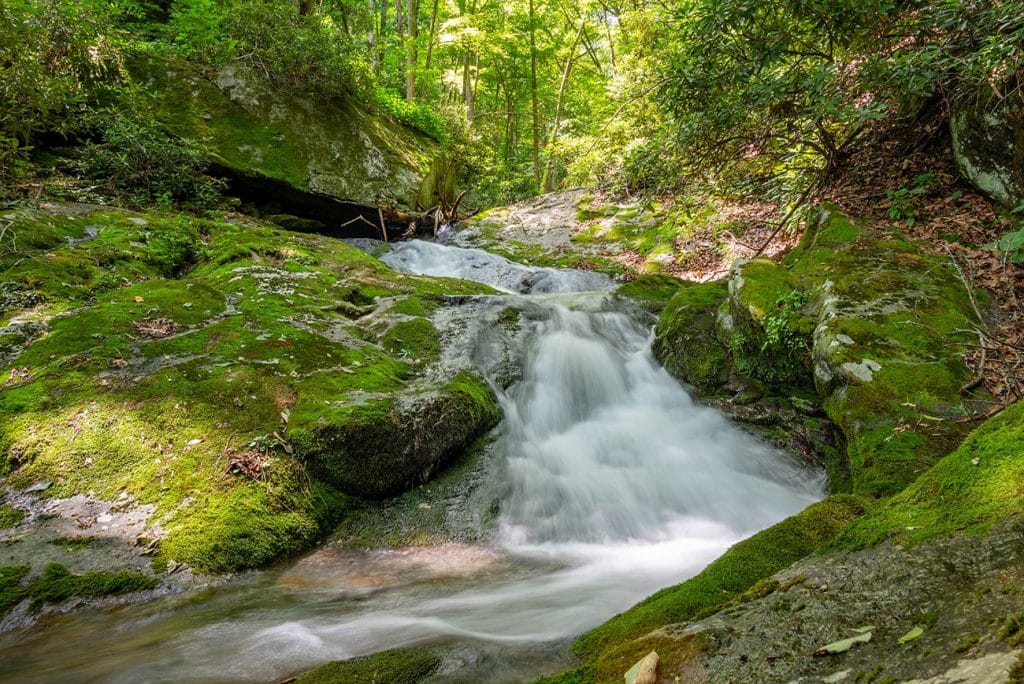
Transco’s proposed SSEP project includes 55 miles of new pipeline that would run through Virginia and North Carolina, and also includes compressor station expansions. In North Carolina, SSEP’s proposed route would cross more than 150 streams and wetlands and run through communities already suffering from some of the worst air pollution in the state.
Several of the North Carolina communities threatened by the proposed SSEP have passed resolutions of opposition or concern, including the cities of Midway and Greensboro, and Forsyth, Davidson and Guilford counties. Thousands of people have submitted public comments opposing the pipeline throughout its permitting process, including hundreds of North Carolinians who opposed state air and water authorizations. A group of more than three dozen North Carolina state and federal elected officials also submitted a letter opposing the project, urging the North Carolina Department of Environmental Quality and FERC to deny SSEP’s water permit. A dozen Virginia legislators also weighed in to oppose the project.
In response, the Sierra Club, Appalachian Voices, Clean Water For North Carolina, 7 Directions of Service and Protect Our Water, Heritage, Rights released the following statements:
“FERC’s decision ignores the vocal opposition of thousands of people along the proposed route of SSEP who are tirelessly fighting against this dangerous project,” said Caroline Hansley, Campaign Organizing Strategist for the Sierra Club. “From individual homeowners to city councils and county commissioners to state and federal legislators, it’s clear that the communities that would be harmed by this project are not willing to sacrifice their health and environment for fossil fuel profits. With this authorization, SSEP now has the right to take private property to build a pipeline that no one wants. We cannot allow our communities to be threatened and our streams and rivers to be polluted in the pursuit of pipeline profits.”
“FERC’s authorization of the SSEP raises serious concerns for Indigenous communities, frontline neighborhoods, and the lands and waters that sustain them,” said Dr. Crystal A. Cavalier-Keck, Executive Director of 7 Directions of Service. “This pipeline threatens ancestral territories, cultural landscapes and communities already facing disproportionate health and environmental burdens. Once again, federal regulators have chosen corporate profit over human rights, climate responsibility and Indigenous sovereignty. Our communities have said no—clearly, repeatedly and collectively — and we will continue to resist the sacrifice of our lands and lives for fossil fuel expansion.”
“FERC’s decision to grant a certificate for the SSEP endangers the communities, natural habitats and water resources in the pipeline’s path,” said Juhi Modi, North Carolina Field Director for Appalachian Voices. “This overbuilding of methane gas infrastructure will increase customer bills and threaten communities’ access to clean air and water.”
“FERC is nothing if not consistent in its box-checking approach to considering public opposition and then approving more climate-wrecking fossil fuel expansion,” said Russell Chisholm, Managing Director of Protect Our Water, Heritage, Rights. “We will not be complicit in either the destruction of water and land or the march toward an unlivable future and will continue to organize with the most directly-impacted people to keep our communities safe.”