

By Ray Zimmerman and Megan Pettey
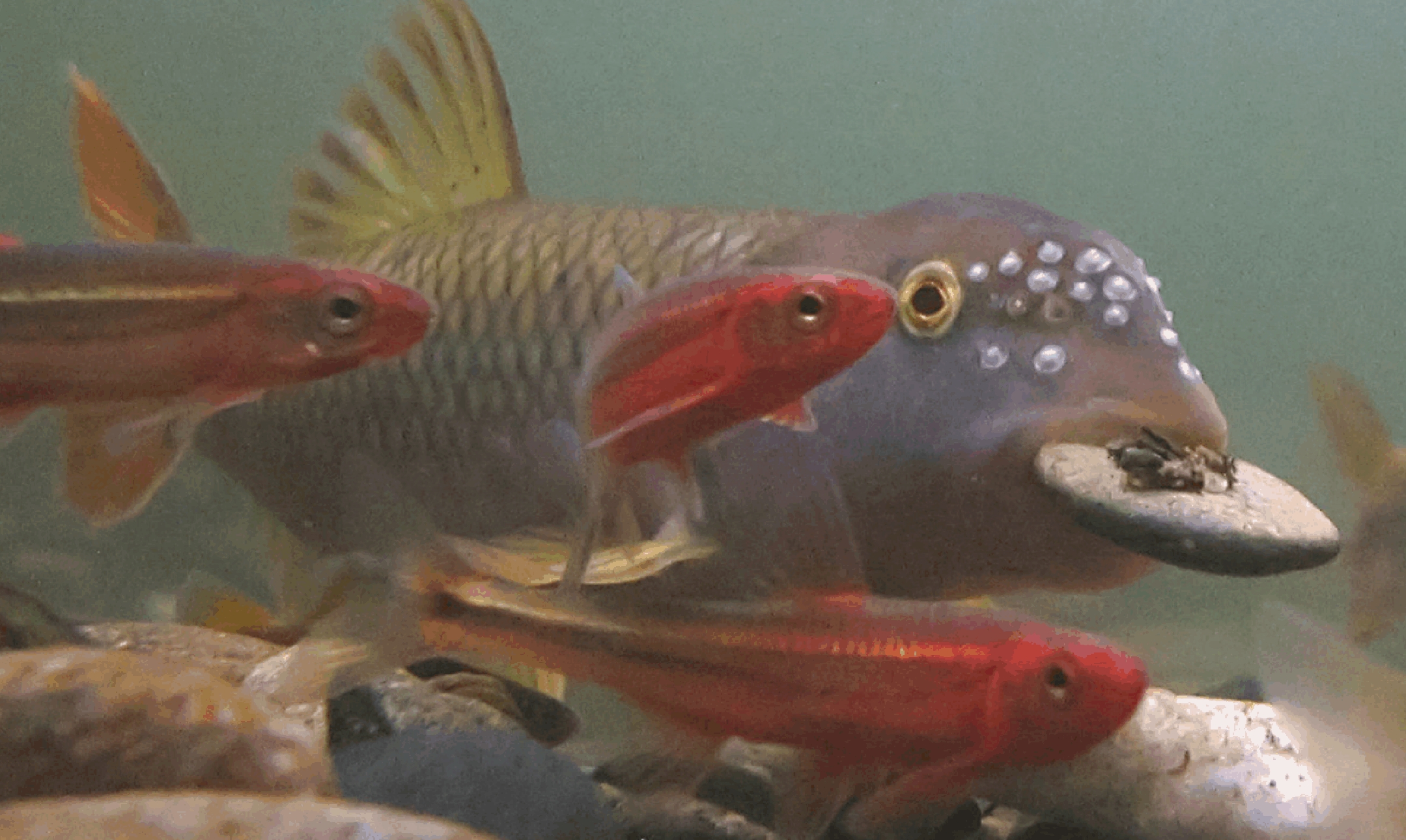
A mound-building river chub carries a stone in the Tellico River. Photo by Jeremy Monroe.
One of the more unique families of fish a river snorkeler may encounter is the Nocomis genus, known as mound-building chubs. Though only about 12 inches long, chubs are important to many other fish.
“The various species of chubs gather stones into a mound about one foot high and three feet in diameter,” snorkeler Casper Cox says. “These mounds are situated in flowing, silt-free water, often at the heads of riffles or just downstream. The mounds offer protection for the developing eggs as they are covered by stones to prevent predation, yet the spaces between the stones provide flowing oxygenated water to aid in their development.”
“Not only do the chubs use their mounds to spawn, but many other species take advantage of the chubs’ work,” he continues.“Stonerollers, as well as striped, warpaint, Tennessee, saffron, and scarlet shiners can all be seen swarming over these active mounds in the springtime. It becomes quite a show to witness, as the colors are vibrant, nearly electric, with various species in enhanced spawning colors,” he says.
Snorkelers Explore Appalachia’s Diverse Freshwater Life
The rivers of the southern Appalachian states are many and varied. They beckon novice and experienced snorkelers alike. Click here to learn more about snorkeling Appalachian waterways.
In 2006, freshwater biologist Ed Scott called in Cox to join a snorkel survey to help solve a chub mystery. While conducting a fish inventory in North Carolina’s Linville Gorge, Scott encountered a puzzling fish — a river chub.
As a rule, bluehead chubs in the Blue Ridge Mountains live in waterways that drain into the Atlantic Ocean. River chubs live in rivers that drain into the Gulf of Mexico.
The Blue Ridge Mountains act as a barrier in the distribution of these fish by preventing their migration to different regions. During a freelance fish survey, Scott found bluehead chubs in the Atlantic drainage and river chubs in the Tennessee and Mississippi River drainages, as expected.
But Scott found an anomaly in the upper reaches of North Carolina’s Linville River, which drains into the Atlantic — a river chub. Intrigued, Scott and Cox snorkeled the area above Linville Falls and found only river chubs.
Geologists believe that the upper Linville River once flowed west into the Tennessee River drainage, which flows into the Gulf. But the stream was captured by the east-flowing Linville River, possibly as part of a geologic upheaval or other shift more than 10,000 years ago. This geological shift could explain why Scott and Cox found river chubs in the Linville River.
Related Articles
Latest News
More Stories

‘First Line of Defense’
During Hurricane Helene and its aftermath, rural fire departments and other first responder hubs played critical roles in keeping their communities safe, even without power and cut off from outside support for days or weeks after the storm. Two years later, plenty of work remains to ensure these hubs have the resources they need to operate day to day and be ready when emergencies or natural disasters strike.

The Rocky Road — and Bridge — to Recovery
Hurricane Helene is estimated to have damaged nearly 7,000 private roads and bridges in Western North Carolina. Two years later, many restoration projects are complete, but the journey hasn’t been easy — and isn’t over for others.
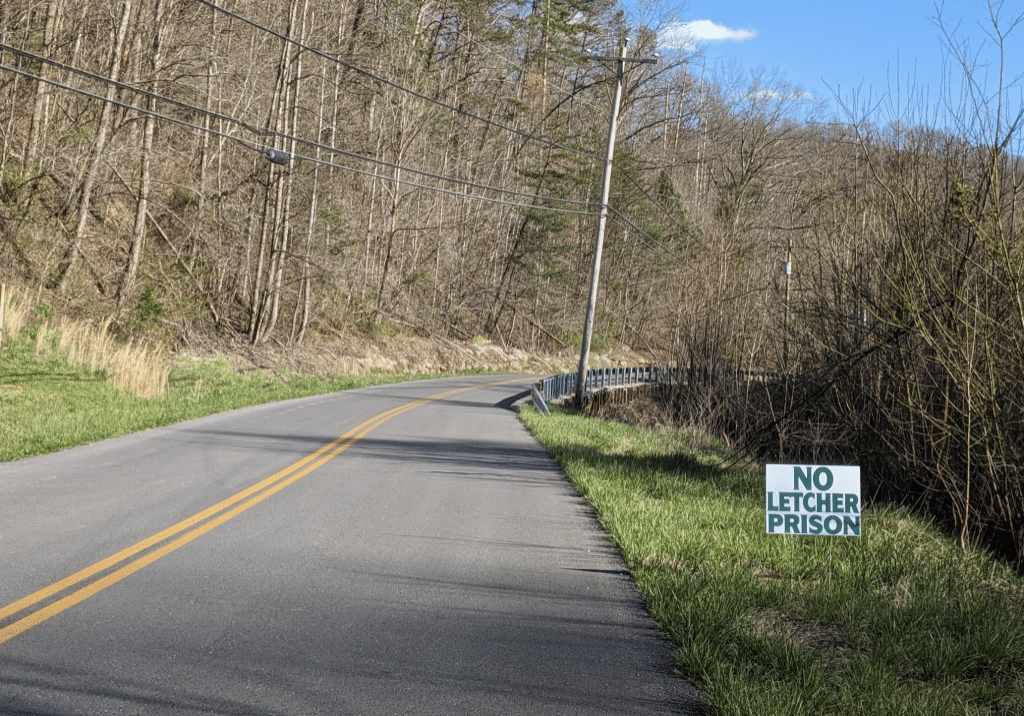
After 20 Years, Letcher County Prison Proposal Is Still Alive, Though Obstacles Remain
A $605 million proposal for a federal prison on a former strip mine site in Letcher County, Kentucky, championed by U.S. Rep. Hal Rogers, refuses to die, despite local opposition, a lack of support from the executive branch and numerous other obstacles.
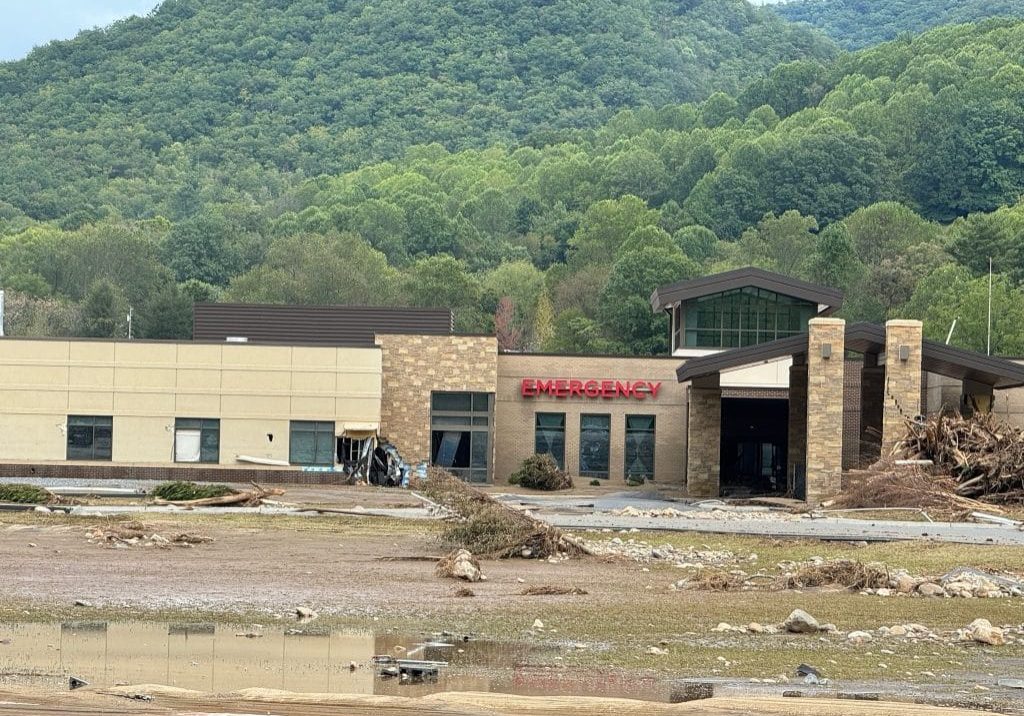
The Washout and Rebuild
For nearly two years, residents of Unicoi County, Tennessee, have had to make do without a hospital after Hurricane Helene destroyed the rural hospital. Ballad Health, which owns the hospital, broke ground on a new location — in another floodplain — in August 2026.
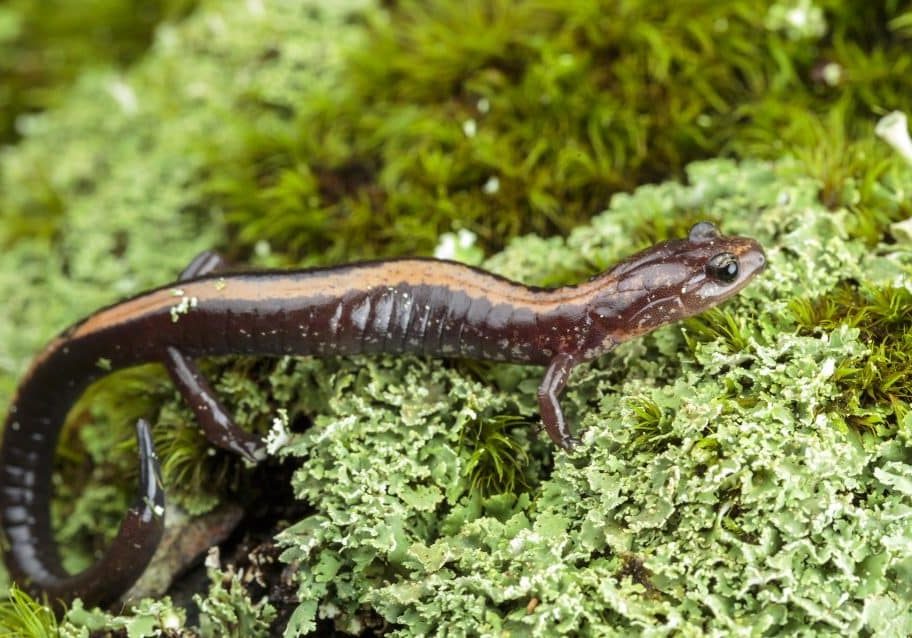
The Shenandoah Salamander
The Shenandoah salamander is a woodland salamander, which has adapted to life at higher elevations away from water. This sparkling rarity lives among the dry leaves, cracked logs, and stony hillocks on the highest peaks of Shenandoah National Park.
‘Foraging Is a Way of Connecting’
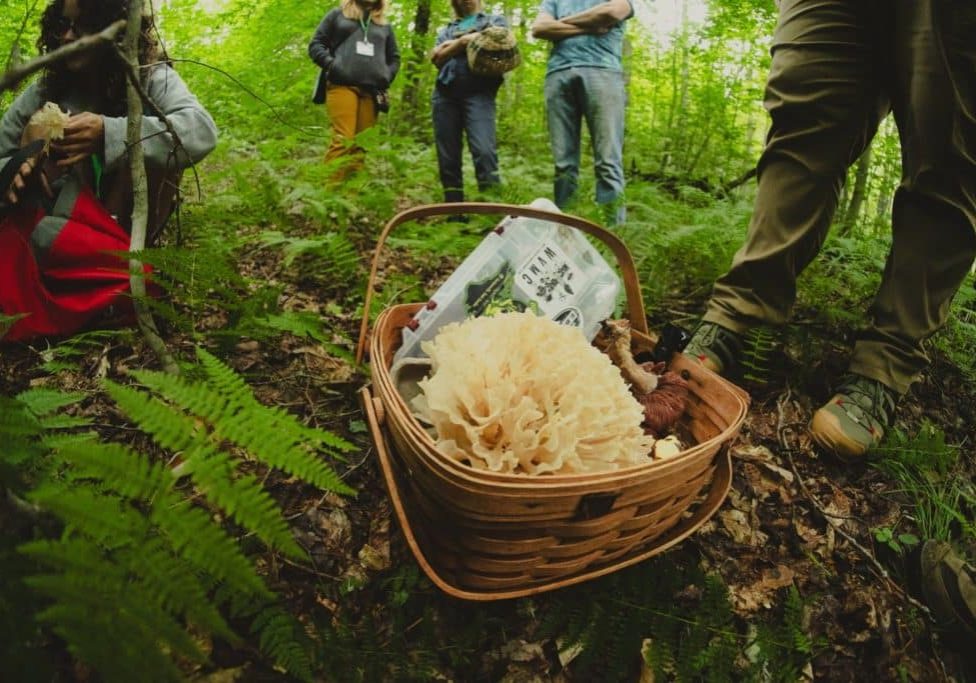
Foraging has experienced a modern resurgence, partly because of social media, online groups, the pandemic and people wanting to connect with nature. It also builds community, whether in person or online.

Leave a comment
Your email address will not be published. Required fields are marked *
Leave a Comment