

By L. Thompson
Warm weather brings people outside. Friends and family come together to hike, swim, jog or fish. Many people embrace the outdoors with open arms, fearlessness and a thirst for adventure. Despite how welcoming warm weather can be, many people of color share a different relationship with recreational activities.
“For Black folk, the outdoors is a space of generational trauma,” says the creator and host of the Always Be Birdin’ podcast, Sam DeJarnett.
DeJarnett’s podcast focuses on her experiences as a novice Black birder and includes conversations with other birders, nature experts and outdoor enthusiasts who are Black, Indigenous or people of color. Along with covering light-hearted topics, the podcast highlights how racism and colonization show up in the birding community.
“Black and Brown folk want to be outside and go fishing, camping, hiking, birding, [but] it isn’t safe for us,” says Dejarnett. “It is saturated with Whiteness and a lot of these spaces are in rural areas where a history of sundown towns exist and are what we call ‘no go zones.’”
In recent years, various nonprofit agencies have been trying to diversify their staff or begin to create space for Black and Brown people. Dejarnett explains that while this sounds like a step in the right direction, these organizations often “lack the trust and the skills to build trust in order for these communities to show up into an all-White space and not make [us] feel tokenized or unwelcome.”
While it is important for predominantly White nonprofit organizations to continue to diversify their staff and board members, it is also important that Black and Brown people continue to cultivate communities among themselves. “I want to go where my people are,” says Tykee James, founder and board chair of the nonprofit organization Amplify the Future.
James created his nonprofit organization to provide scholarships for historically excluded individuals who share a love for birds, conservation and the fields of science, technology, engineering, arts and mathematics. His program also offers professional development and networking opportunities for students and organizations.
“The changes that we are looking for are not going to happen because we ask for them. They are going to happen because we organize and build power,” James says.
Programs like Outdoor Afro, Diversify Outdoors, Camp Founder Girls, Black Kids Adventures, Soul River Inc., Oshun Swim School, In Color Birding Club and The Black Outdoors have been created to facilitate settings where people of color feel included. These programs are merely an introduction to an inclusive future.
Related Articles
Latest News
More Stories

‘First Line of Defense’
During Hurricane Helene and its aftermath, rural fire departments and other first responder hubs played critical roles in keeping their communities safe, even without power and cut off from outside support for days or weeks after the storm. Two years later, plenty of work remains to ensure these hubs have the resources they need to operate day to day and be ready when emergencies or natural disasters strike.

The Rocky Road — and Bridge — to Recovery
Hurricane Helene is estimated to have damaged nearly 7,000 private roads and bridges in Western North Carolina. Two years later, many restoration projects are complete, but the journey hasn’t been easy — and isn’t over for others.
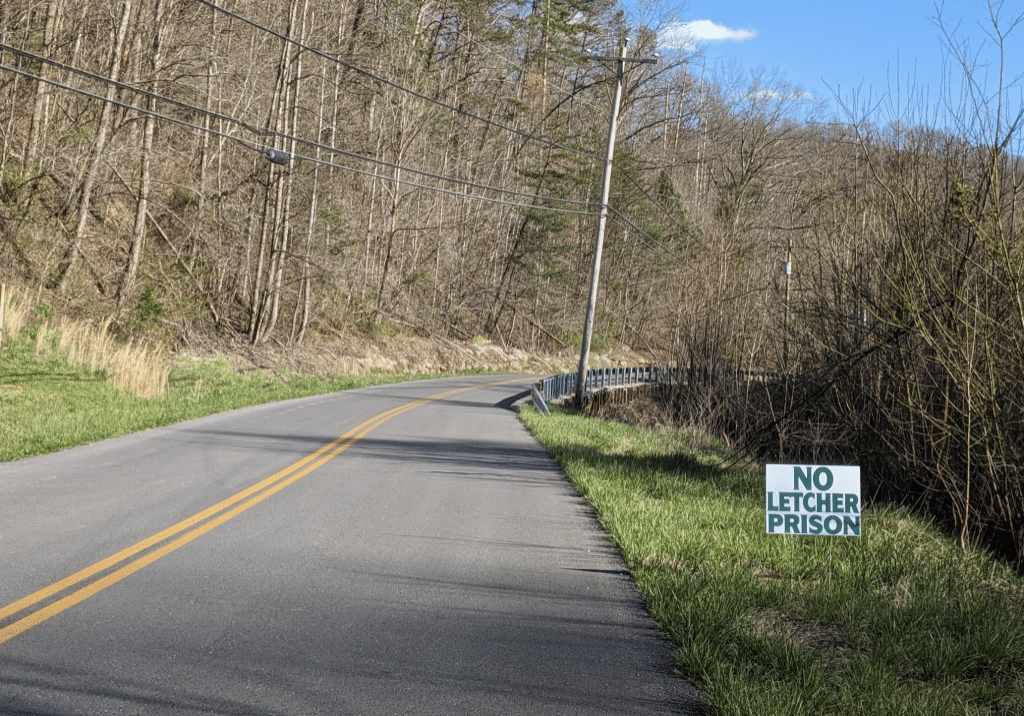
After 20 Years, Letcher County Prison Proposal Is Still Alive, Though Obstacles Remain
A $605 million proposal for a federal prison on a former strip mine site in Letcher County, Kentucky, championed by U.S. Rep. Hal Rogers, refuses to die, despite local opposition, a lack of support from the executive branch and numerous other obstacles.
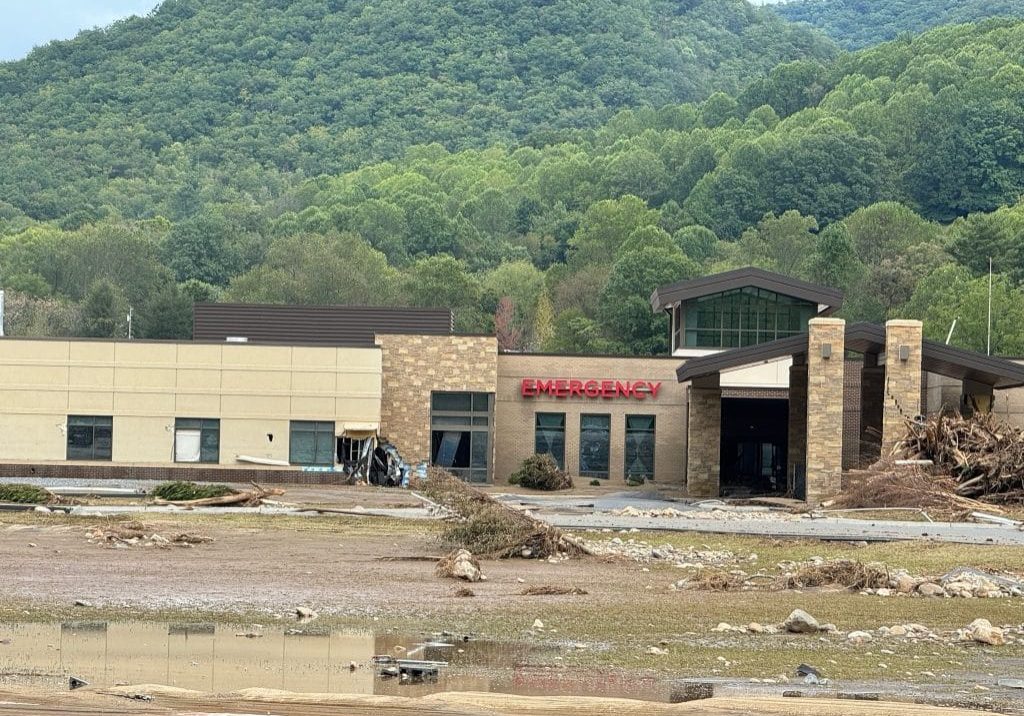
The Washout and Rebuild
For nearly two years, residents of Unicoi County, Tennessee, have had to make do without a hospital after Hurricane Helene destroyed the rural hospital. Ballad Health, which owns the hospital, broke ground on a new location — in another floodplain — in August 2026.
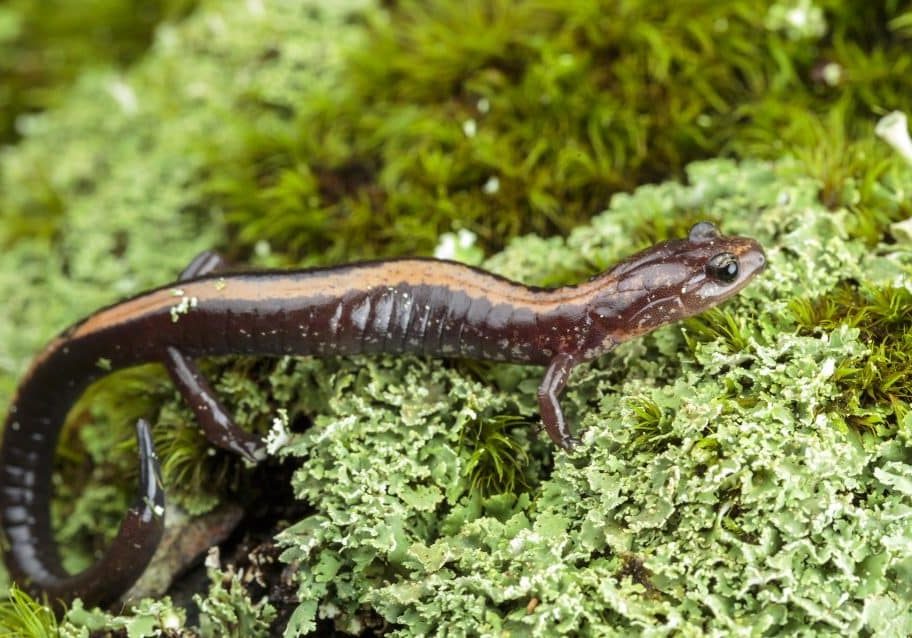
The Shenandoah Salamander
The Shenandoah salamander is a woodland salamander, which has adapted to life at higher elevations away from water. This sparkling rarity lives among the dry leaves, cracked logs, and stony hillocks on the highest peaks of Shenandoah National Park.
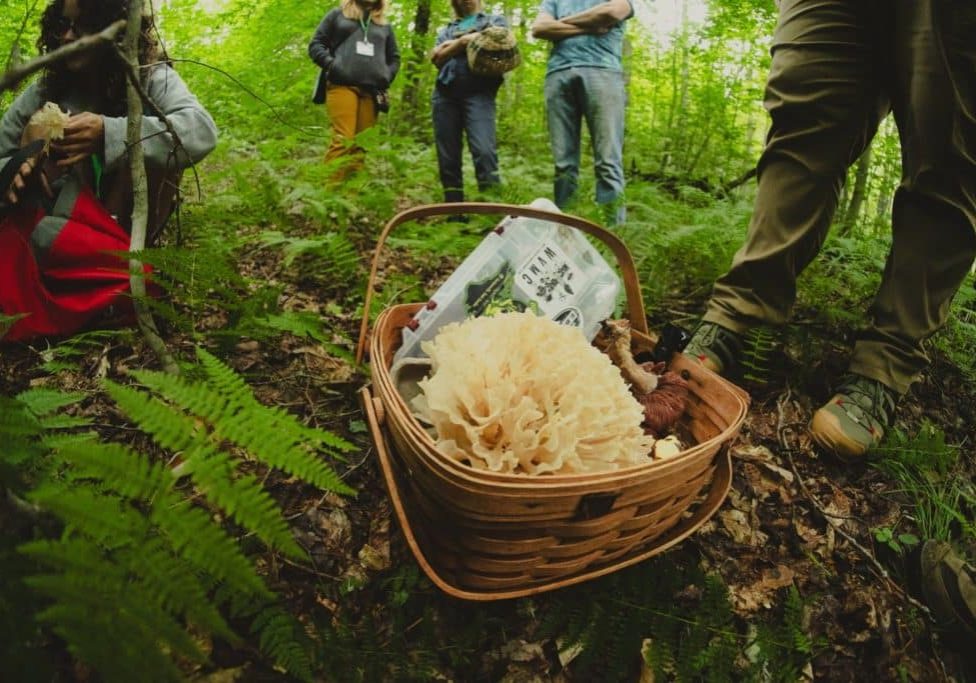
‘Foraging Is a Way of Connecting’
Foraging has experienced a modern resurgence, partly because of social media, online groups, the pandemic and people wanting to connect with nature. It also builds community, whether in person or online.

Leave a comment
Your email address will not be published. Required fields are marked *
Leave a Comment