

Virginia’s Black Farmers Push Lawmakers to Provide Debt Relief
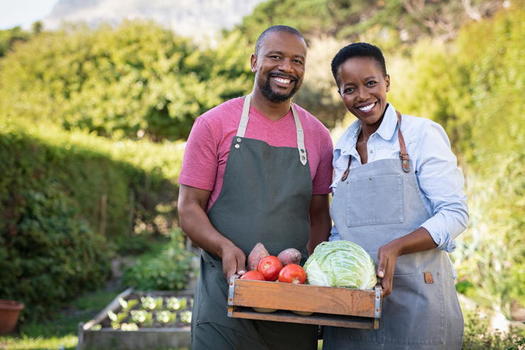
Black farmland ownership peaked in 1910 at 16 to 19 million acres, according to the USDA’s Census of Agriculture. A century later, 90% of that land had been lost. (Adobe Stock)
RICHMOND, Va. — Farmers of color are urging Congress to end a slew of lawsuits delaying a loan-forgiveness program designed to make amends for years of loan discrimination against minority farmers.
White farmers are claiming in court Congress’s $4 billion debt relief for Black farmers, part of a COVID-19 stimulus package, amounts to reverse discrimination.
John Boyd Jr., president of the National Black Farmers Association and a Virginia-based farmer, claimed for years, the U.S. Department of Agriculture systematically denied loans to farmers of color, placing them at much higher risk of foreclosure.
“The lawsuits are inaccurate, and it’s certainly not fair for farmers of color to hold our payments up and say that we’re causing them, white farmers, some sort of harm by getting debt relief,” Boyd asserted. “To me, it’s a continuation of the discrimination that we’ve been facing for many, many years.”
A judge has put the debt-relief money on hold until about a dozen lawsuits, including a class-action case in Texas, are settled.
Boyd said unlike white farmers, Black farmers who fell behind on a USDA loan payment would often be given just 30 days to pay in full, or they were pressured to sign their deed over to the agency. He noted he faced serious discrimination for years in Mecklenburg County by a Farmers Home Administration officer who would only see Black farmers one day a week, and serve white farmers first.
“This person spat on me, called me racial epithets, had my application torn up and thrown in the trash can,” Boyd recounted. “When they came out to investigate this person, they asked him, ‘Did he have a problem making loans to Black farmers?’ And he said, ‘Well, yeah, I think that they’re lazy and look for a paycheck on Friday.'”
Boyd pointed out the inability for farmers of color to get and keep USDA loans has dramatically reduced their numbers. Of the 3.4 million farmers in the U.S. today, the agency said fewer than 50,000 are Black, down from one million a century ago.
References:
Miller v. Vilsack Docket Alarm 07/02/21
Black farmer data U.S. Dept. of Agriculture Oct. 2019
Editor’s Note: This article was originally published by Public News Service on Sept. 8, 2021.
Related Articles
Latest News
More Stories

‘First Line of Defense’
During Hurricane Helene and its aftermath, rural fire departments and other first responder hubs played critical roles in keeping their communities safe, even without power and cut off from outside support for days or weeks after the storm. Two years later, plenty of work remains to ensure these hubs have the resources they need to operate day to day and be ready when emergencies or natural disasters strike.

The Rocky Road — and Bridge — to Recovery
Hurricane Helene is estimated to have damaged nearly 7,000 private roads and bridges in Western North Carolina. Two years later, many restoration projects are complete, but the journey hasn’t been easy — and isn’t over for others.
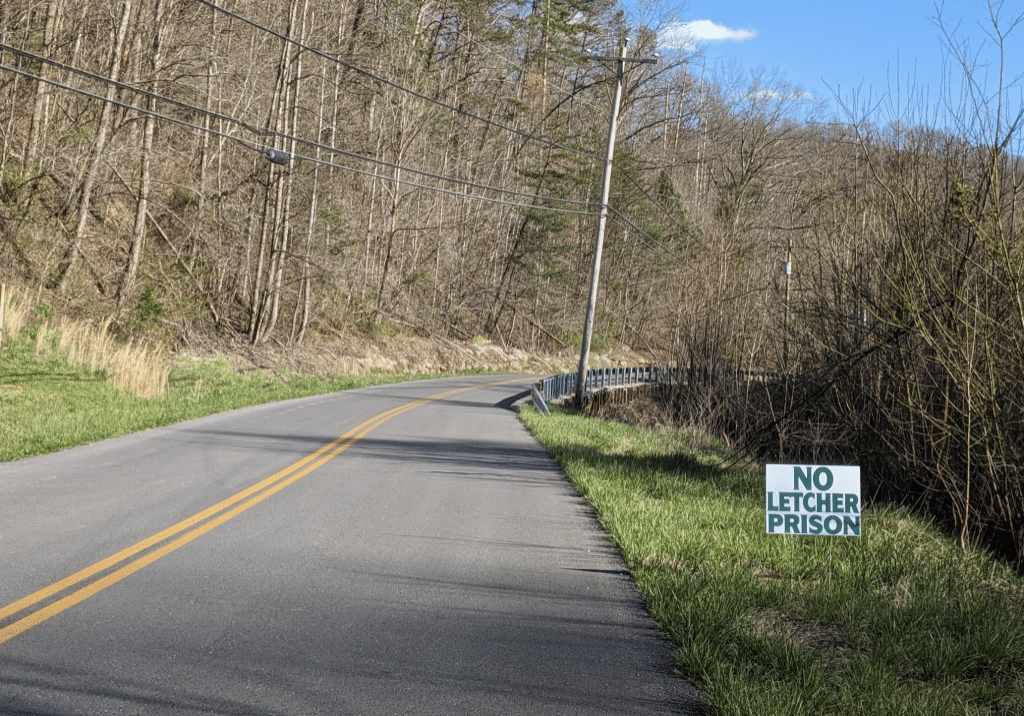
After 20 Years, Letcher County Prison Proposal Is Still Alive, Though Obstacles Remain
A $605 million proposal for a federal prison on a former strip mine site in Letcher County, Kentucky, championed by U.S. Rep. Hal Rogers, refuses to die, despite local opposition, a lack of support from the executive branch and numerous other obstacles.
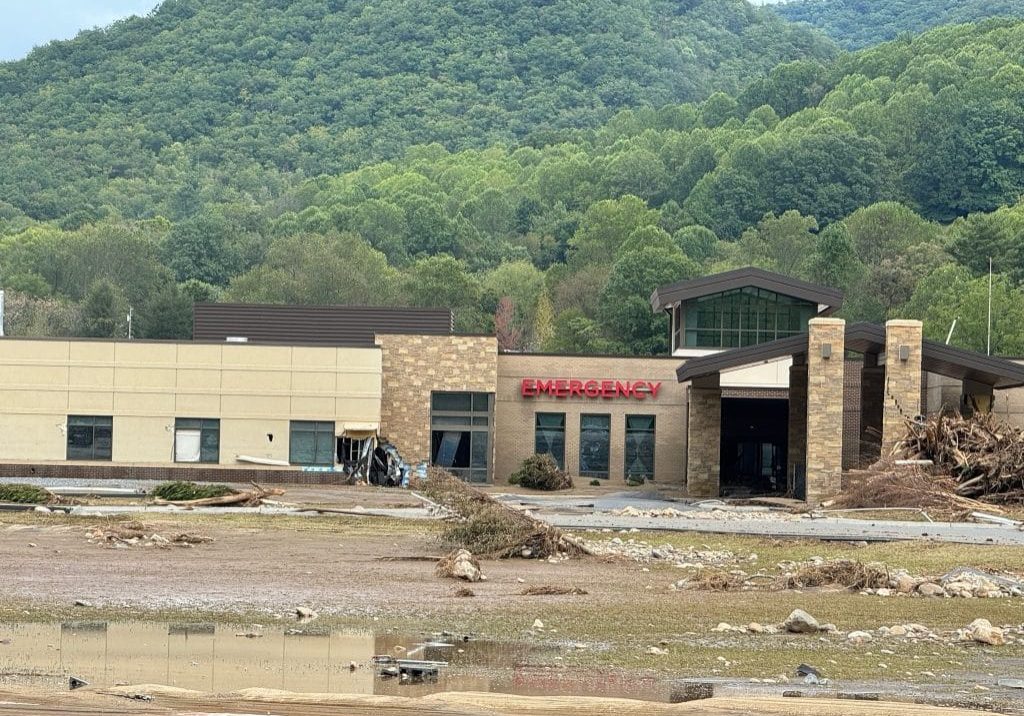
The Washout and Rebuild
For nearly two years, residents of Unicoi County, Tennessee, have had to make do without a hospital after Hurricane Helene destroyed the rural hospital. Ballad Health, which owns the hospital, broke ground on a new location — in another floodplain — in August 2026.
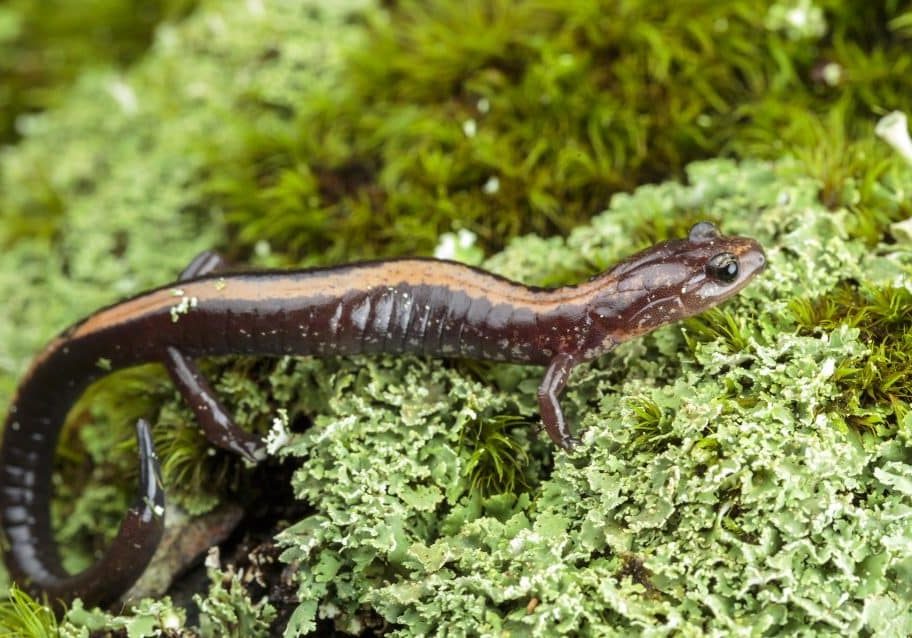
The Shenandoah Salamander
The Shenandoah salamander is a woodland salamander, which has adapted to life at higher elevations away from water. This sparkling rarity lives among the dry leaves, cracked logs, and stony hillocks on the highest peaks of Shenandoah National Park.
‘Foraging Is a Way of Connecting’
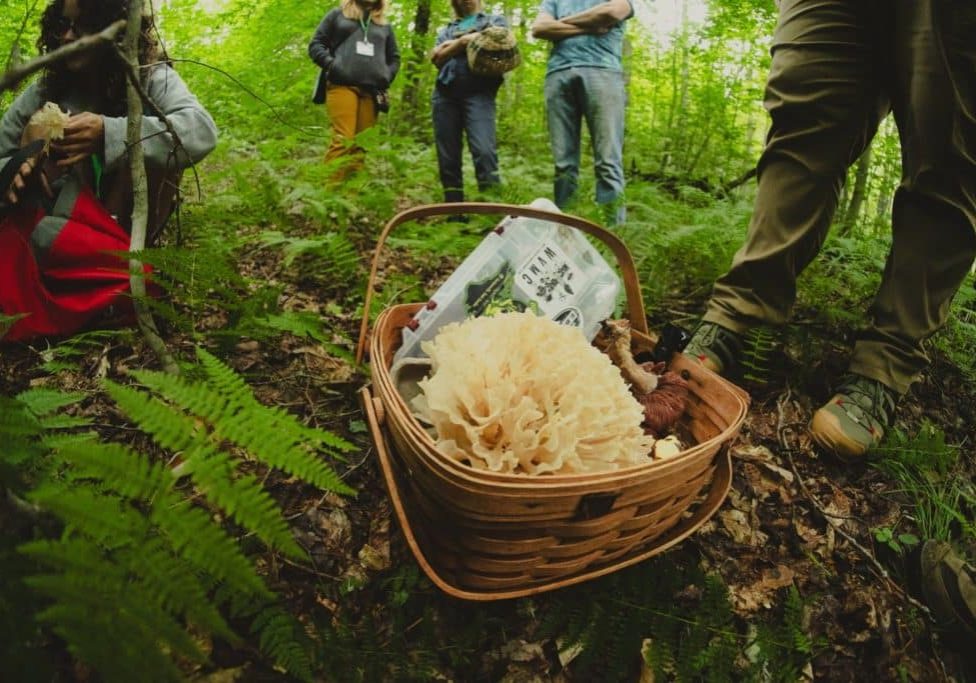
Foraging has experienced a modern resurgence, partly because of social media, online groups, the pandemic and people wanting to connect with nature. It also builds community, whether in person or online.

Leave a comment
Your email address will not be published. Required fields are marked *
Leave a Comment