

Asian Carp Barriers to be Erected on Tennessee, Cumberland Rivers
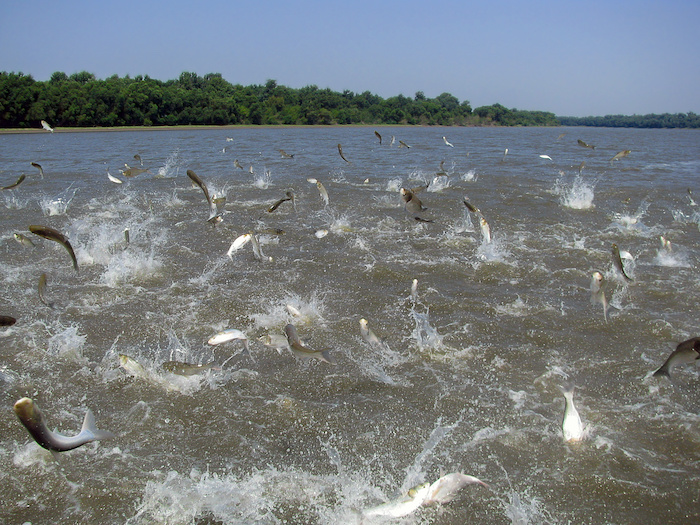
Flying Asian carp can jump out of the water and cause boating accidents. (Adobe Stock)
By Nadia Ramlagan, Public News Service
NASHVILLE, Tenn. — As the state continues its battle against invasive Asian carp, environmentalists say plans to erect new barriers to stop the carp from entering the Tennessee and Cumberland rivers are a step in the right direction.
Michael Butler, CEO of the Tennessee Wildlife Federation, said Asian carp continue to be a massive problem for Tennessee’s fishing and outdoor recreation industries, and noted the state recently received $25 million in federal funding to help erect barriers to stop carp from migrating.
“So they outcompete our native bait fish and they occupy a large volume of water when they get to be in large schools,” Butler described. “That in turn impacts the fishery, which in turn impacts tourism.”
He pointed out the state’s fishing economy generates more than $1 billion annually.
Asian carp are now found in all three of Tennessee’s major waterways, from the Mississippi River to the Tennessee River north of Chattanooga.
Butler noted the money will help fund several barriers that often use combinations of sound, light, bubbles and other technologies to block the migration of carp from downstream reservoirs.
He added barrier technologies are currently being tested at the Barkley Dam, which separates the Cumberland River Basin from the Ohio River.
“25 million may or may not be enough,” Butler cautioned. “So, we’re going to continue to evaluate the funding needs for the program here in the Tennessee and Cumberland river systems.”
Asian carp can grow up to 100 pounds and can threaten boaters’ safety.
“There are four species of Asian carp,” Butler explained. “And one of them jumps into the air pretty regularly and can weigh up to 30 pounds or more. And so, that’s not something you want to have running into you if you’re driving in a power boat or a jet ski.”
Asian carp have no natural predators and they consume the bottom-chain food sources of native fish, which can have devastating effects on habitats.
Related Articles
Latest News
More Stories

English Language Learning in Appalachia
Learning English is always difficult. But current aggressive approaches to immigration policy are creating more barriers for learners and the programs that serve them than ever before in Appalachia and beyond.

Landfill Drama
Many residents of Pike County, Kentucky, are breathing a sigh of relief since county commissioners finalized their decision to rescind a contract with an out-of-state waste management company.
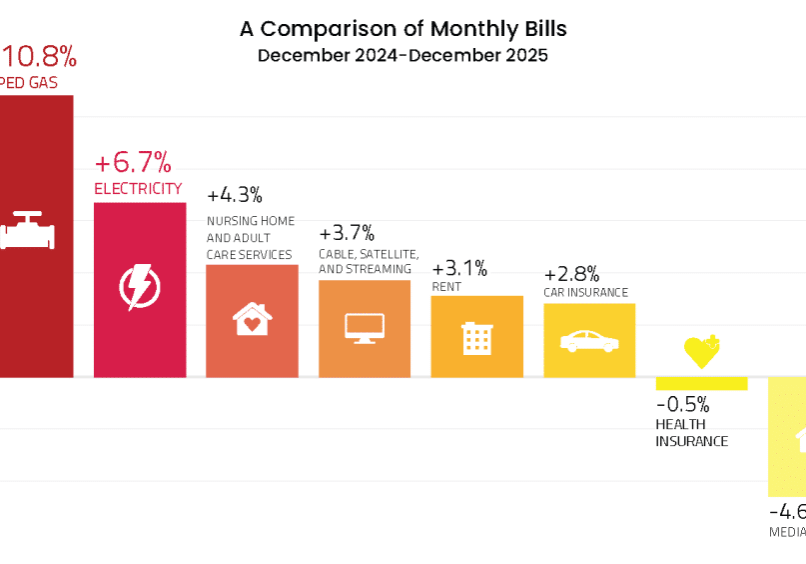
Overdrive: Fossil Fuels in Appalachia
Electricity demand is on the rise. Here, we share snapshots of energy trends in the region and how methane gas, coal and data centers are affecting our communities — and how people are pushing back.

Less Support for Communities with Mine Problems
The Trump administration issued a regulation to weaken the Ten Day Notice process that helps community members call in federal enforcement when state regulators don’t do a good job policing environmental problems at coal mines
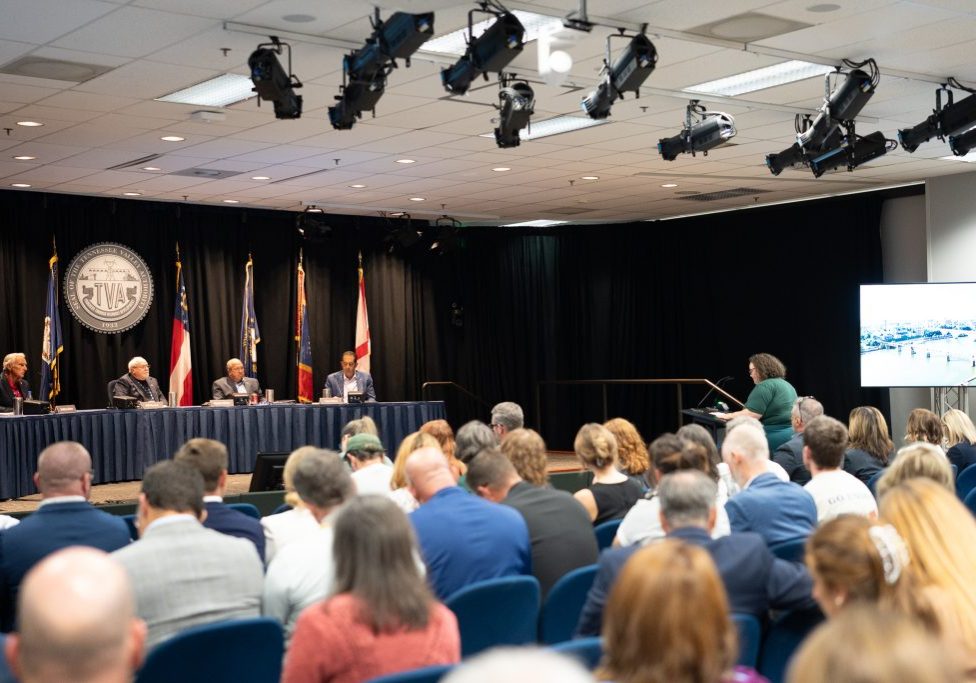
Chaos at the Tennessee Valley Authority, Cuts to Public Input
The past year has brought turmoil and uncertainty to the Tennessee Valley Authority, the nation’s largest public power provider, and its more than 10 million customers across the Tennessee Valley.

Landmark Coal Ash Protections Under Attack
The U.S. Environmental Protection Agency is planning to eviscerate important, hard-won regulations on coal ash, a toxic waste left after burning coal for energy.

Leave a comment
Your email address will not be published. Required fields are marked *
Leave a Comment