

From 2008 to 2018, the U.S. Environmental Protection Agency saw a dramatic decline in both funding and staffing — both have fallen by 16 percent. Now, as cuts continue, the Trump administration is shifting environmental protection responsibility into states’ hands, despite widespread reductions to states’ environmental agency staffing and funding.
 A recent report from the Environmental Integrity Project, a D.C.-based environmental advocacy nonprofit, evaluates states’ capacities to effectively regulate environmental permitting and enforcement. Despite states increasing their budgets and U.S. oil and gas industries experiencing an “unprecedented boom,” the organization found that between 2008 and 2018, 30 states reduced funding for environmental agencies. Of these, 16 states made cuts greater than 20 percent, and 40 states reduced their environmental agency workforce.
Proponents for the cuts have argued that streamlining state agencies amidst cutbacks will encourage efficiency and cooperation with the EPA. However, the large influx of incoming permits alone cannot be adequately considered by state agencies, according to the report authors, suggesting these trends will threaten public health and the integrity of natural resources. The authors warn that these agency workers are the “thin green line that protects our families [and environment] from pollution. If we cut that line…we will leave a contaminated landscape that we will not want to pass on to future generations.”
For more information, visit tinyurl.com/EIPThinGreenLine. — By Ahdya Elias Attea
Related Articles
Latest News
More Stories

‘First Line of Defense’
During Hurricane Helene and its aftermath, rural fire departments and other first responder hubs played critical roles in keeping their communities safe, even without power and cut off from outside support for days or weeks after the storm. Two years later, plenty of work remains to ensure these hubs have the resources they need to operate day to day and be ready when emergencies or natural disasters strike.

The Rocky Road — and Bridge — to Recovery
Hurricane Helene is estimated to have damaged nearly 7,000 private roads and bridges in Western North Carolina. Two years later, many restoration projects are complete, but the journey hasn’t been easy — and isn’t over for others.
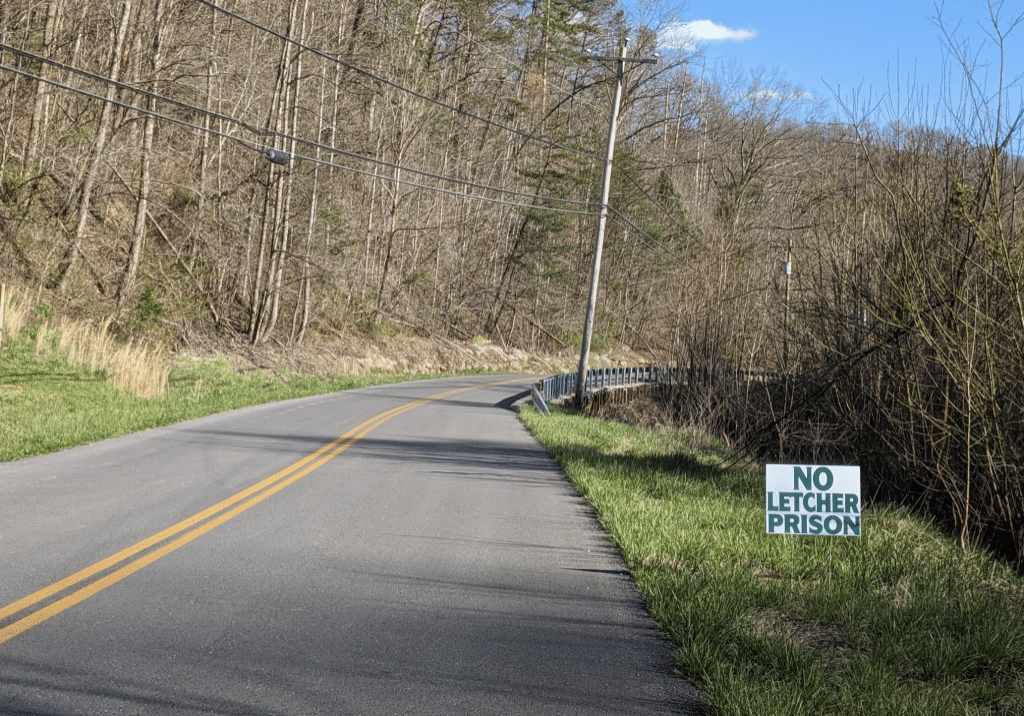
After 20 Years, Letcher County Prison Proposal Is Still Alive, Though Obstacles Remain
A $605 million proposal for a federal prison on a former strip mine site in Letcher County, Kentucky, championed by U.S. Rep. Hal Rogers, refuses to die, despite local opposition, a lack of support from the executive branch and numerous other obstacles.
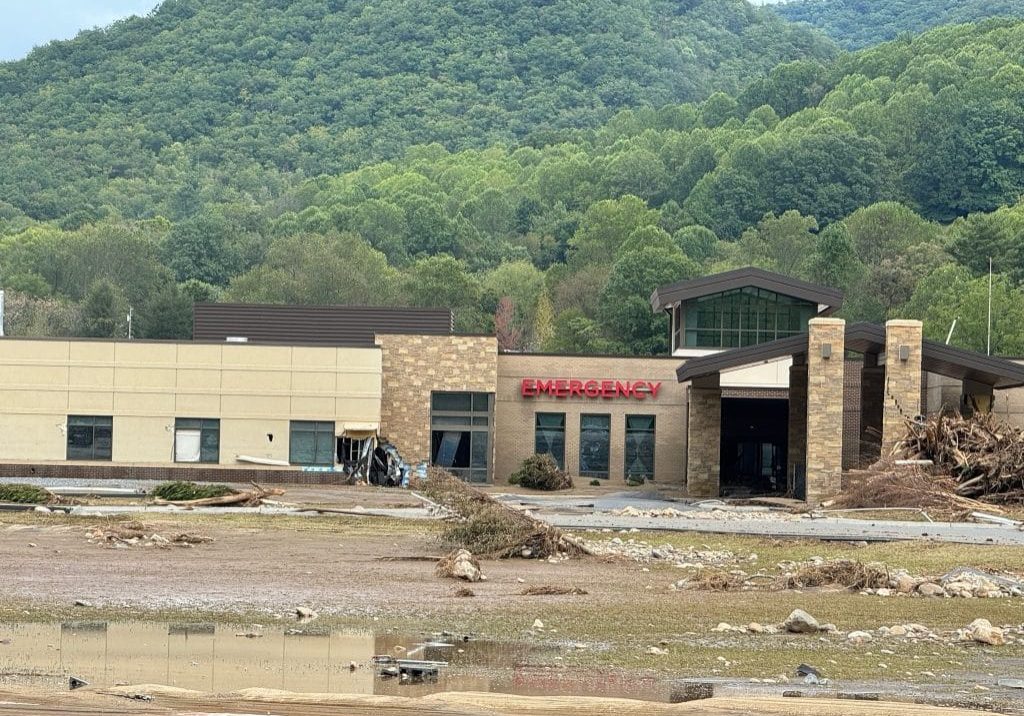
The Washout and Rebuild
For nearly two years, residents of Unicoi County, Tennessee, have had to make do without a hospital after Hurricane Helene destroyed the rural hospital. Ballad Health, which owns the hospital, broke ground on a new location — in another floodplain — in August 2026.

The Shenandoah Salamander
The Shenandoah salamander is a woodland salamander, which has adapted to life at higher elevations away from water. This sparkling rarity lives among the dry leaves, cracked logs, and stony hillocks on the highest peaks of Shenandoah National Park.
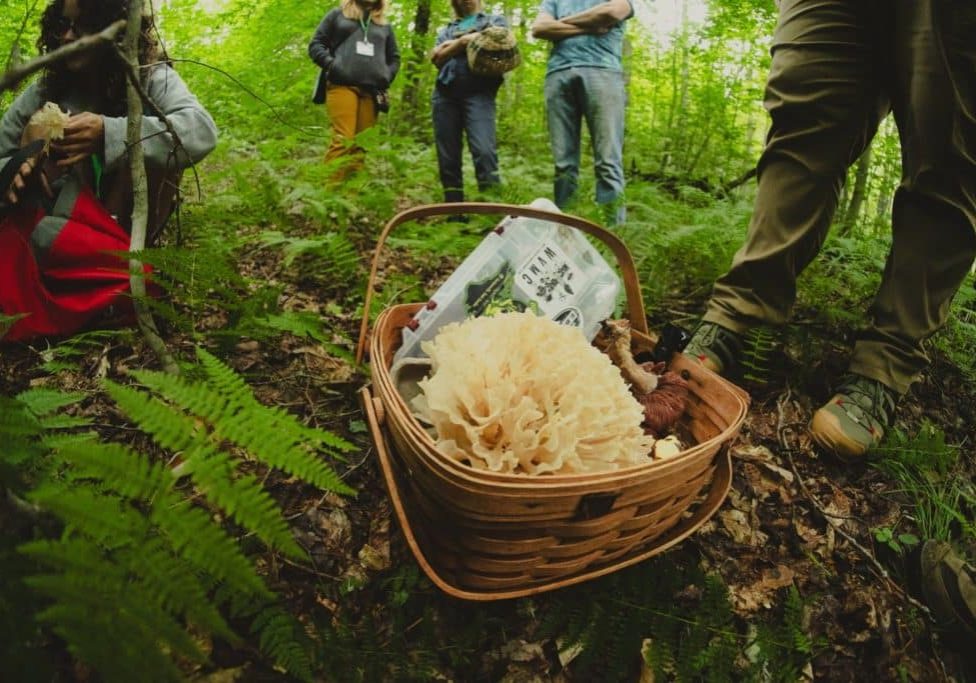
‘Foraging Is a Way of Connecting’
Foraging has experienced a modern resurgence, partly because of social media, online groups, the pandemic and people wanting to connect with nature. It also builds community, whether in person or online.

Leave a comment
Your email address will not be published. Required fields are marked *
Leave a Comment