

The construction of a 60-acre sustainable greenhouse is underway in Brown County near Morehead, Ky.
This will be the first greenhouse for AppHarvest, a high-tech agriculture company based in Kentucky. The project is scheduled to be completed in late 2020 with $82 million in funding from a venture capital firm, according to AppHarvest CEO Jonathan Webb. On June 5, Webb announced a partnership with Netherlands-based company Dalsem, which has developed nearly 1,500 high-tech greenhouses in 52 countries.
The greenhouse’s controlled-environment technology will allow AppHarvest to grow produce year-round without pesticides or genetically modified organisms, according to the company. Circular irrigation systems and a 10-acre retention pond that functions entirely off of recycled rainwater will supply water to the greenhouse. This will reduce water usage by 90 percent compared to open-field agriculture in the drier climates where much foreign, imported food is grown.
Webb has experience building large solar projects in the Southeast, and states that he hopes to integrate renewable energy into the project but that AppHarvest is still in the planning stages with its utility partners.
The company anticipates that the project will create 285 permanent jobs and 100 construction jobs.
The greenhouse will be able to grow over 45 million pounds of food per year, according to Webb. Part of AppHarvest’s goal is to decrease the country’s reliance on imported food, hence an initial focus on tomatoes, which Webb describes as one of the largest foreign produce imports.
Tomatoes will be transported to markets within a day’s drive from the greenhouse by AppHarvest’s distribution partner. Webb also plans to eventually grow cucumbers, leafy greens and vine crops. Transporting produce from the greenhouse to surrounding areas would reduce diesel use by 80 percent compared to transportation of foreign imports, according to Webb.
The project was originally set to be built on reclaimed mine land in Pikeville, Ky. — By Sam Kepple
Related Articles
Latest News
More Stories

‘First Line of Defense’
During Hurricane Helene and its aftermath, rural fire departments and other first responder hubs played critical roles in keeping their communities safe, even without power and cut off from outside support for days or weeks after the storm. Two years later, plenty of work remains to ensure these hubs have the resources they need to operate day to day and be ready when emergencies or natural disasters strike.

The Rocky Road — and Bridge — to Recovery
Hurricane Helene is estimated to have damaged nearly 7,000 private roads and bridges in Western North Carolina. Two years later, many restoration projects are complete, but the journey hasn’t been easy — and isn’t over for others.
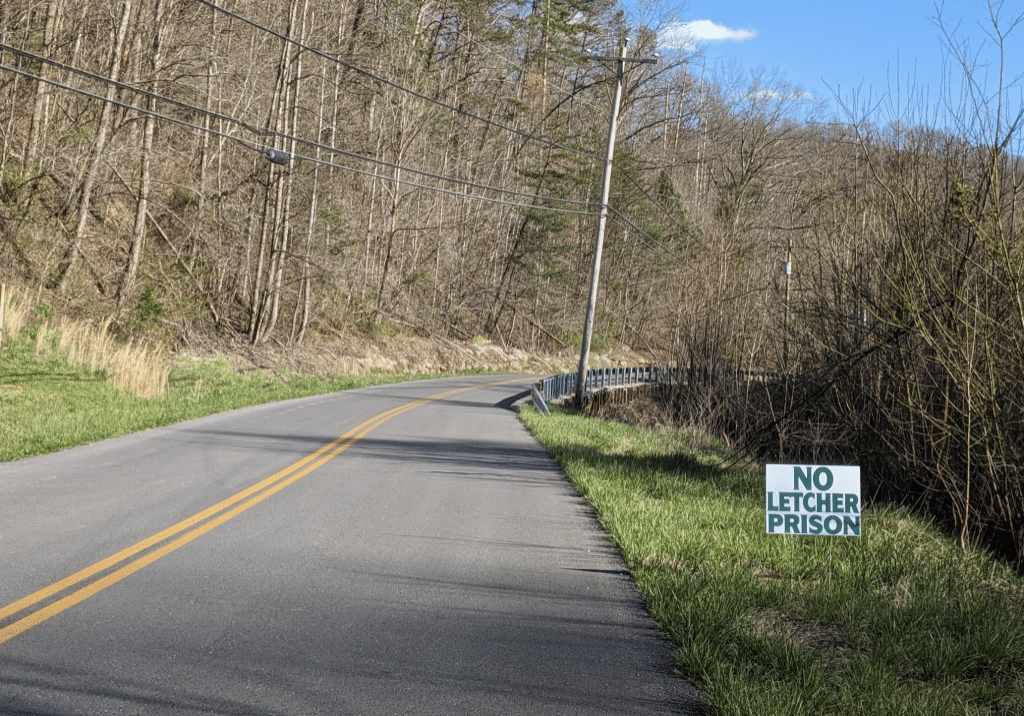
After 20 Years, Letcher County Prison Proposal Is Still Alive, Though Obstacles Remain
A $605 million proposal for a federal prison on a former strip mine site in Letcher County, Kentucky, championed by U.S. Rep. Hal Rogers, refuses to die, despite local opposition, a lack of support from the executive branch and numerous other obstacles.
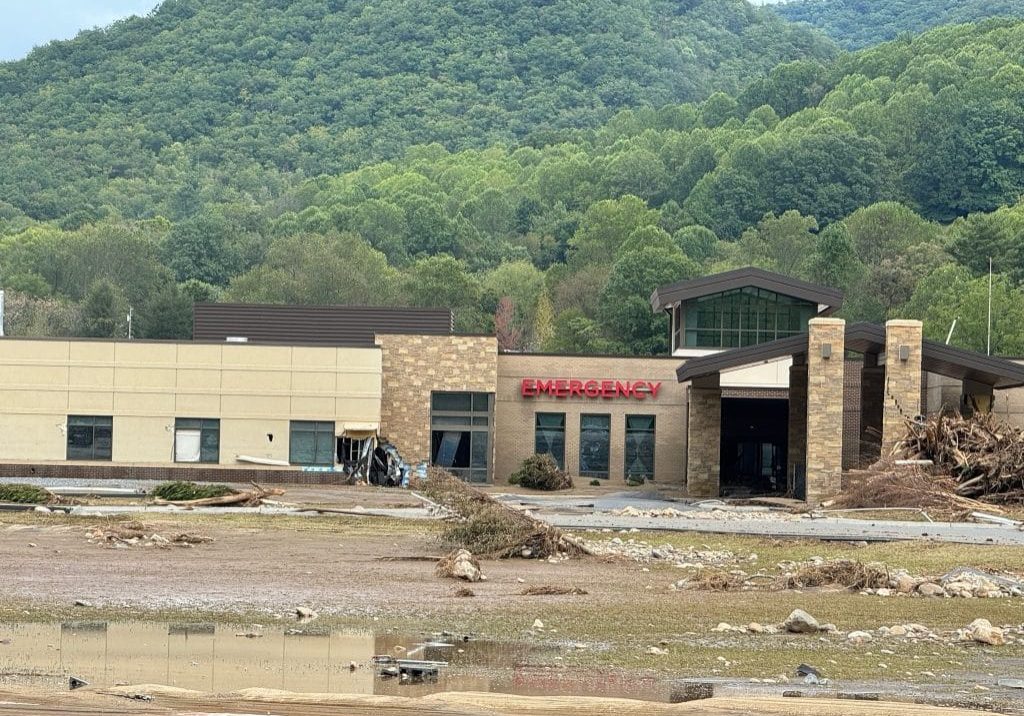
The Washout and Rebuild
For nearly two years, residents of Unicoi County, Tennessee, have had to make do without a hospital after Hurricane Helene destroyed the rural hospital. Ballad Health, which owns the hospital, broke ground on a new location — in another floodplain — in August 2026.
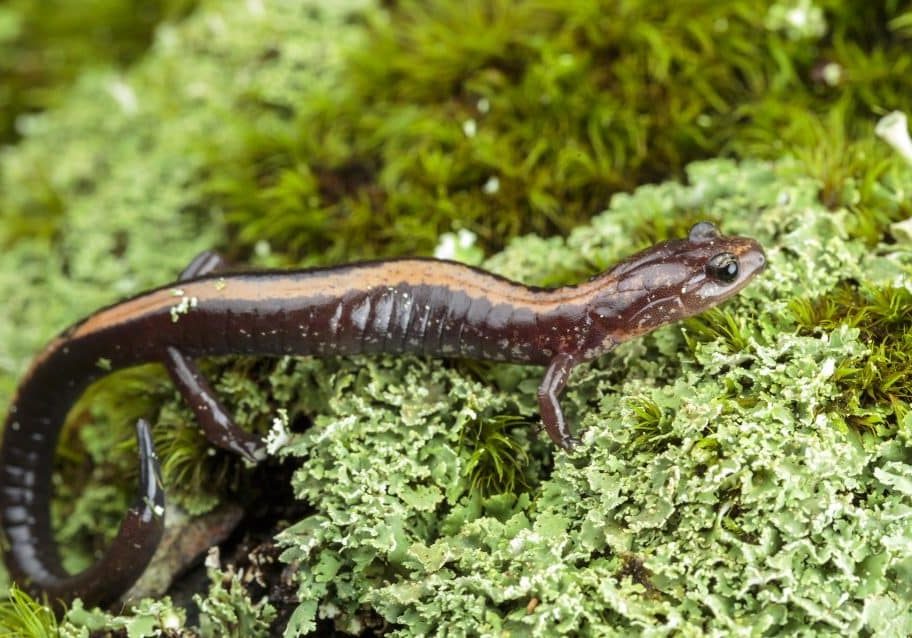
The Shenandoah Salamander
The Shenandoah salamander is a woodland salamander, which has adapted to life at higher elevations away from water. This sparkling rarity lives among the dry leaves, cracked logs, and stony hillocks on the highest peaks of Shenandoah National Park.
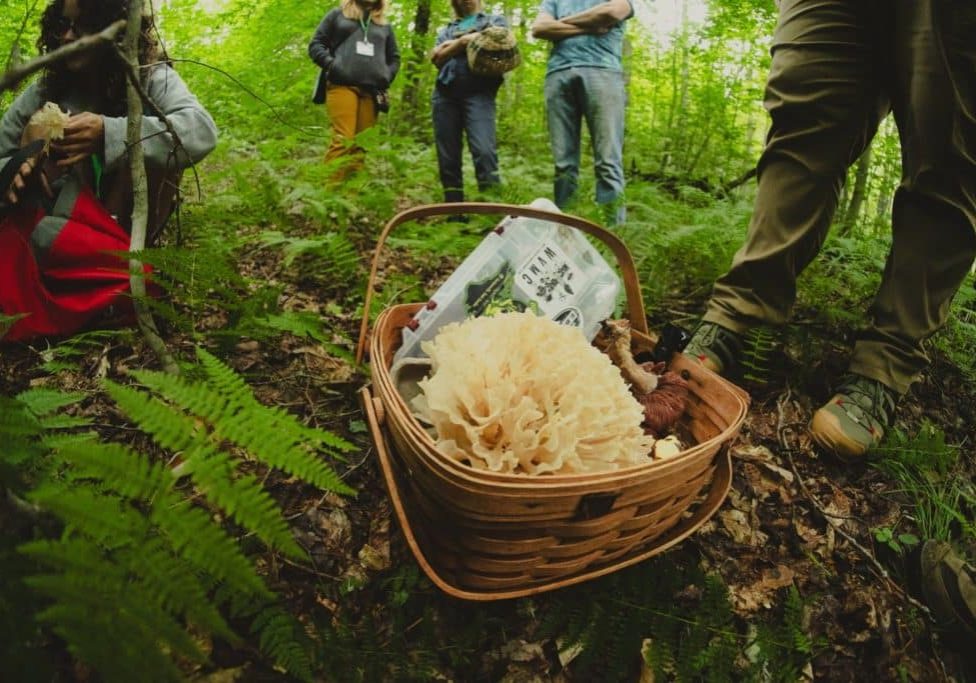
‘Foraging Is a Way of Connecting’
Foraging has experienced a modern resurgence, partly because of social media, online groups, the pandemic and people wanting to connect with nature. It also builds community, whether in person or online.

Leave a comment
Your email address will not be published. Required fields are marked *
Leave a Comment