

White-Nose Syndrome: A Stealthy Killer
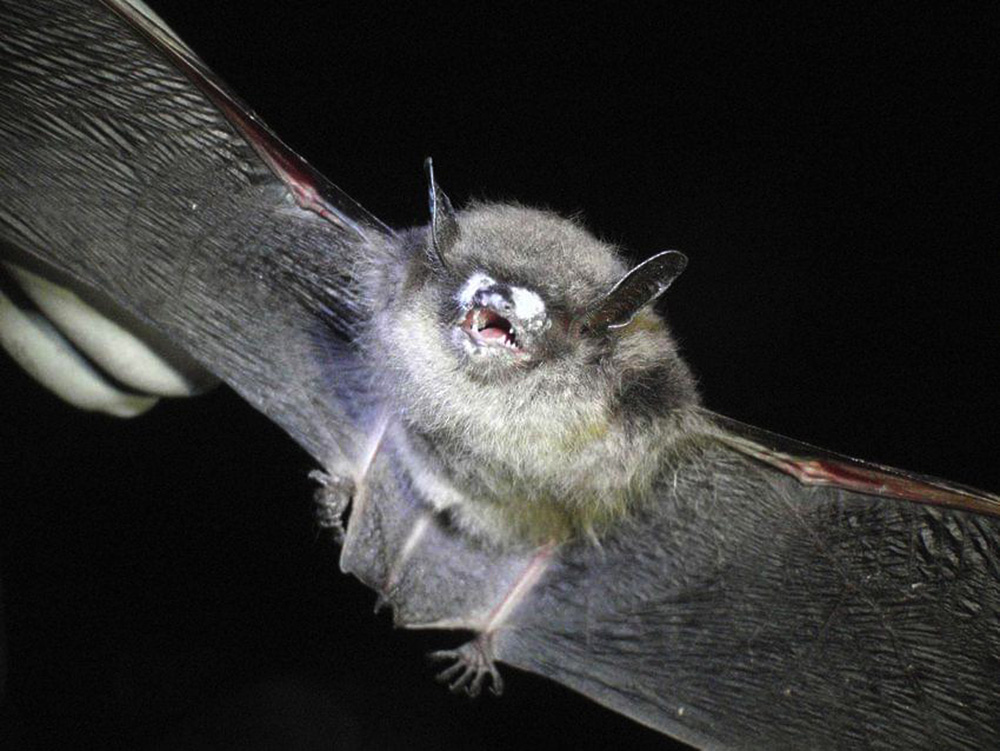
A little brown bat displays the trademark sign of white-nose syndrome. Photo by Jonathan Mays, ME Dept. of Inland Fisheries and Wildlife
When bats hibernate, the cold-loving fungus takes advantage of the bat’s lower metabolic rate and body temperature to burrow into the skin on its wings and multiply. It causes the bats to dehydrate, their blood to become more acidic and can even cause holes in their wings. The discomfort of the infection makes the bats wake more often during the winter when food is scarce, using up their fat reserves, and the bats die of starvation or hypothermia. The disease caused by the fungus is commonly referred to as white-nose syndrome because of a characteristic white fungal growth around the bat’s nose.
The disease has been found in half of the United States, including Georgia, North Carolina, South Carolina, Tennessee, Virginia and West Virginia.
According to a study in the journal Science in 2010, white-nose syndrome may cause regional bat extinctions. Several invertebrate species that live exclusively in caves rely on bat excrement and the fungi that grow on it as a source of nutrients. These species in turn are a food source for other predators and scavengers. Bat extinctions can lead to cascading detrimental effects on the rest of a cave’s ecosystem.
“The situation is dire for cave-dwelling or cave-hibernating bats, but recent reports of a potential method of treating bats is hopeful,” says National Forest Service Biological Technician Mike Donahue.
A study published in the journal Nature Communications in January 2018 found that ultraviolet light exposure may treat the condition. Researchers are also studying probiotic bacteria and antifungal chemicals as possible counters to white-nose syndrome. All seem to offer hope but also have the potential to harm the bats or their ecosystems.
Related Articles
Latest News
More Stories

Halloween Approaches, and Night School Is in Session
The House of Art in Bluefield, West Virginia, looks like a haunted tower, making it the perfect location for its sixth annual haunt event: Night School. The Night School will be open every Friday and Saturday night through Oct. 31.
‘The Most Perfect Act of Love’
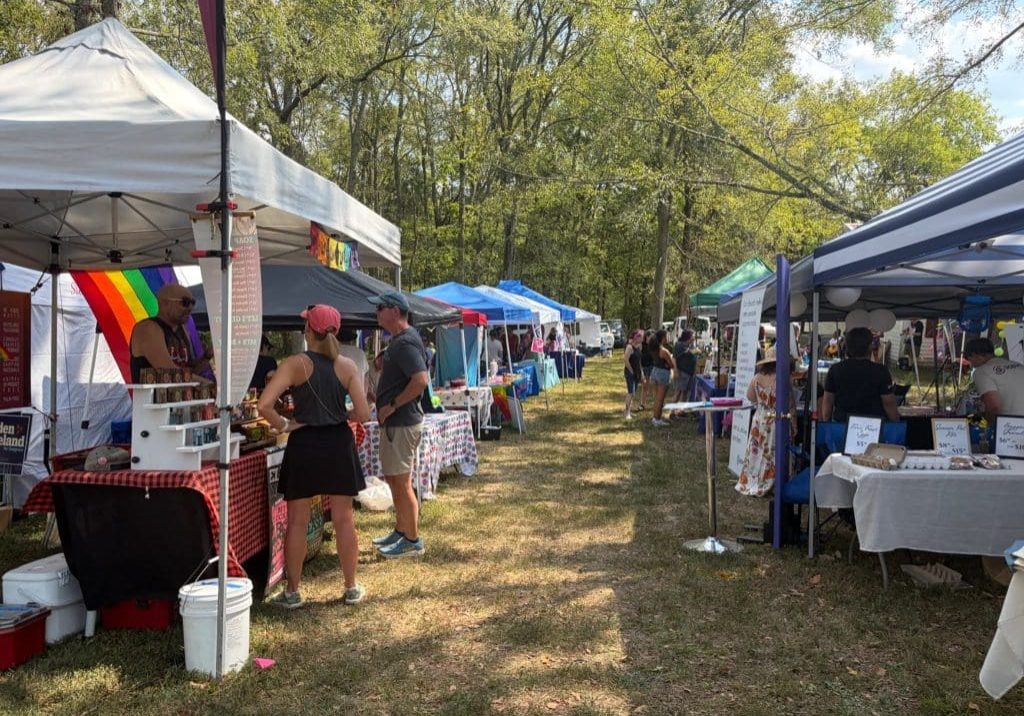
After losing its rural pride celebration, hundreds of people attended the second annual Affirming Sumner Pride celebration on a 24-acre farm dubbed “Fruity Farm” in Bethpage, Sumner County, Tennessee.
Signs of Life
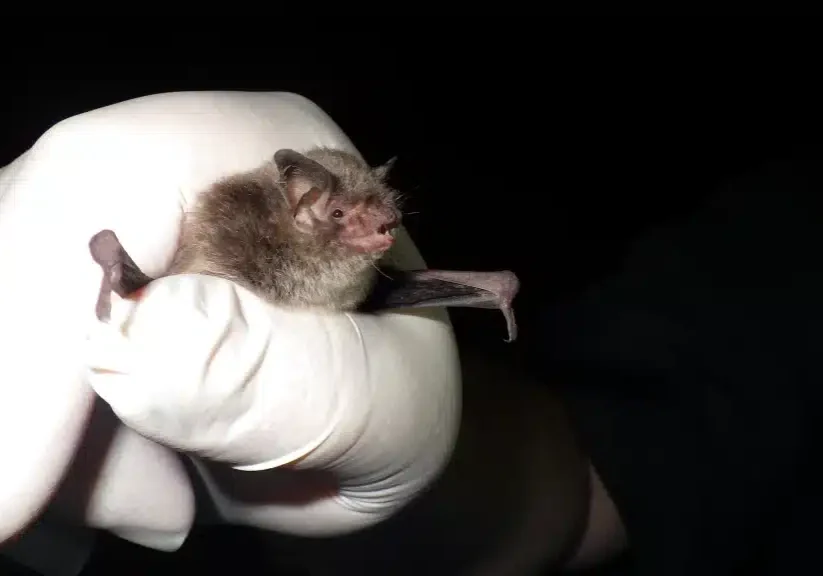
In the Nantahala National Forest, a team of biologists spotted Indiana bats, an endangered species that hasn’t been seen in North Carolina for the last 11 years.

‘First Line of Defense’
During Hurricane Helene and its aftermath, rural fire departments and other first responder hubs played critical roles in keeping their communities safe, even without power and cut off from outside support for days or weeks after the storm. Two years later, plenty of work remains to ensure these hubs have the resources they need to operate day to day and be ready when emergencies or natural disasters strike.
The Rocky Road — and Bridge — to Recovery
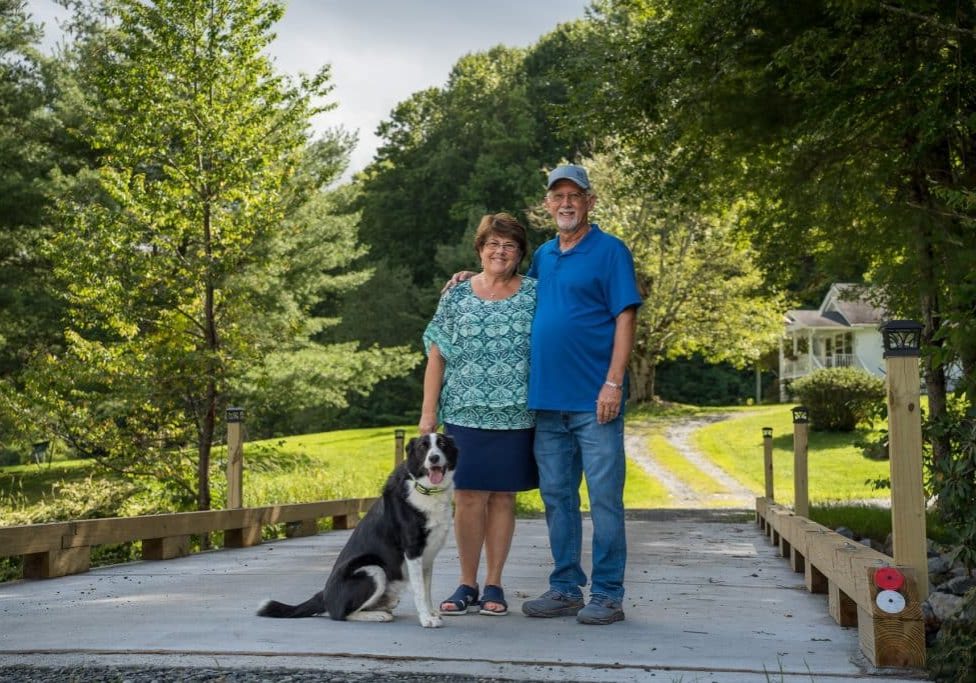
Hurricane Helene is estimated to have damaged nearly 7,000 private roads and bridges in Western North Carolina. Two years later, many restoration projects are complete, but the journey hasn’t been easy — and isn’t over for others.
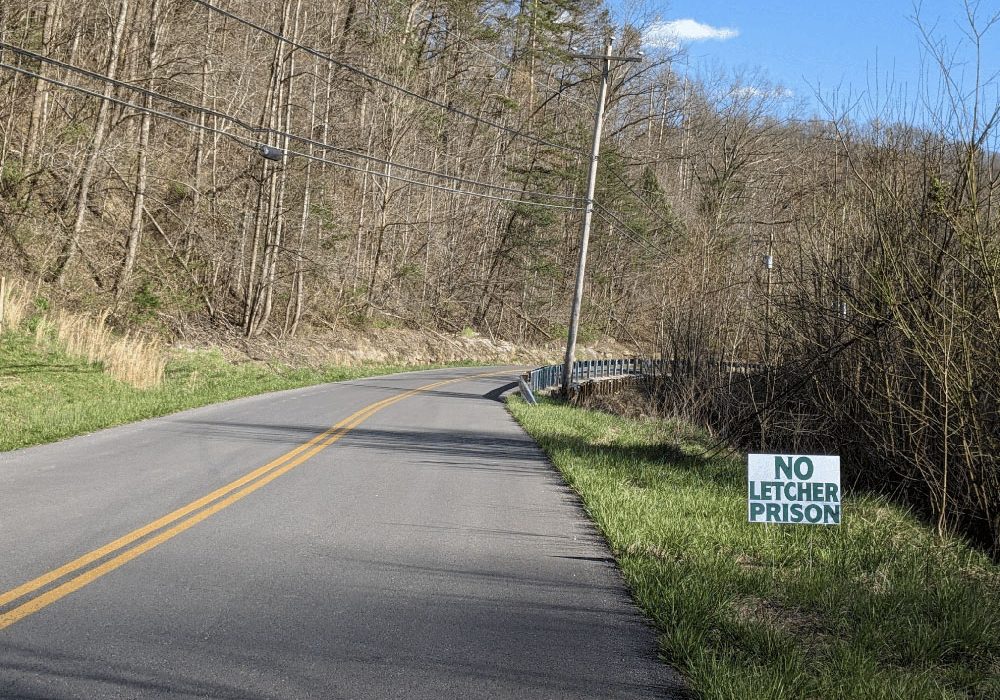
After 20 Years, Letcher County Prison Proposal Is Still Alive, Though Obstacles Remain
A $605 million proposal for a federal prison on a former strip mine site in Letcher County, Kentucky, championed by U.S. Rep. Hal Rogers, refuses to die, despite local opposition, a lack of support from the executive branch and numerous other obstacles.

Leave a comment
Your email address will not be published. Required fields are marked *
Leave a Comment