

Southeast Endangered Species Get Less Funding Compared to Other Regions
Although the Southeast is one of the most aquatically biodiverse areas in the United States, the region receives a disproportionately low percentage of federal funding for endangered and at-risk species.
The southeastern United States is the aquatic support system for more than 66 percent of the country’s fish species, more than 90 percent of the country’s mussel species and nearly 50 percent of the world’s crayfish species, according to the National Fish and Wildlife Foundation. The region also has high rates of endangered species and species at risk of endangerment. The number of fish species considered imperiled increased by 125 percent from 1996 to 2016, according to the report.
Aquatic conservation biologist Bernie Kuhajda with the Tennessee Aquarium documented the disparity between the Southeast and other regions, according to an article in the Times Free Press. Kuhajda did this by looking through federal and state expenditures on federally listed aquatic species in the United States between fiscal years 2012 and 2016. He found that mussels outside the Southeast receive 2.1 times more funding per species and crustaceans outside the Southeast receive seven times as much per species. Fish species are subject to the biggest funding disparity with species outside the Southeast receiving 46.6 times more funding each.
According to the Times Free Press, the disproportionate funding could be related to the higher ratio of private lands to federal lands in the Southeast compared to other regions. It is easier for the government to enact conservation efforts on federal land, whereas private lands require the cooperation of the individual property owners.
The Southeast also historically has not prioritized using taxes to pay for conservation efforts as much as western regions. —By Sam Kepple
Related Articles
Latest News
More Stories

Neighbors Help Neighbors
A photo essay that celebrates the volunteer spirit of the grassroots group Hurricane Helene WNC and speaks to the resourcefulness, collaboration and hard work embodied by thousands and thousands of volunteers, first responders and aid workers across the region after Hurricane Helene.

Halloween Approaches, and Night School Is in Session
The House of Art in Bluefield, West Virginia, looks like a haunted tower, making it the perfect location for its sixth annual haunt event: Night School. The Night School will be open every Friday and Saturday night through Oct. 31.

‘The Most Perfect Act of Love’
Hundreds of people attended the second annual Affirming Sumner Pride celebration on a 24-acre farm dubbed “Fruity Farm” in Bethpage, Sumner County, Tennessee.

Signs of Life: Endangered Bats Found in Nantahala for First Time in More Than a Decade
In the Nantahala National Forest, a team of biologists spotted Indiana bats, an endangered species that hasn’t been seen in North Carolina for the last 11 years.

‘First Line of Defense’
During Hurricane Helene and its aftermath, rural fire departments and other first responder hubs played critical roles in keeping their communities safe, even without power and cut off from outside support for days or weeks after the storm. Two years later, plenty of work remains to ensure these hubs have the resources they need to operate day to day and be ready when emergencies or natural disasters strike.
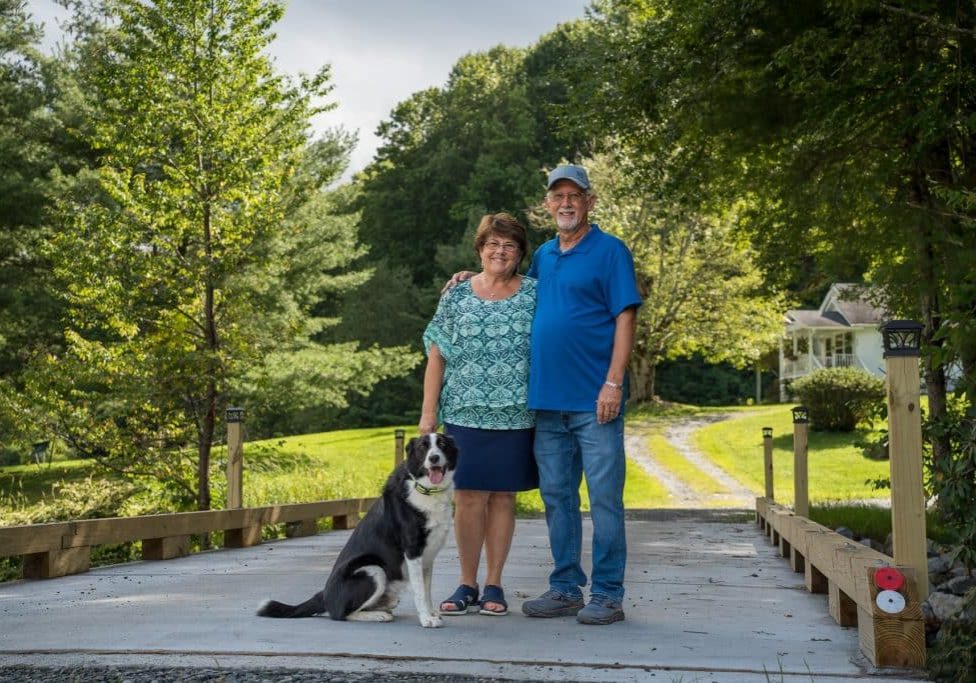
The Rocky Road — and Bridge — to Recovery
Hurricane Helene is estimated to have damaged nearly 7,000 private roads and bridges in Western North Carolina. Two years later, many restoration projects are complete, but the journey hasn’t been easy — and isn’t over for others.

Leave a comment
Your email address will not be published. Required fields are marked *
Leave a Comment