FOR IMMEDIATE RELEASE
February 16, 2026
CONTACT
Dan Radmacher, Media Specialist, (276) 289-1018, dan@appvoices.org
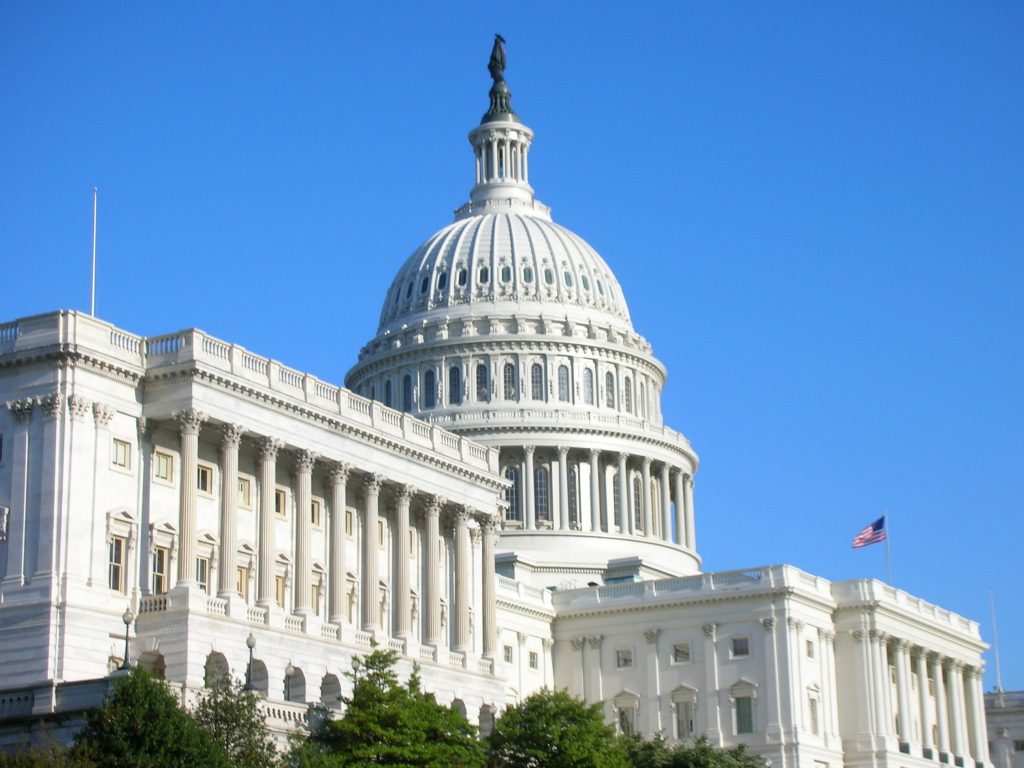
CHARLESTON, W. Va. — Dozens of West Virginia residents held a rally outside the House of Delegates chamber this morning, demanding that the legislature take action to address the growing clean water crisis affecting the state’s southern coalfields. The event was hosted by From Below, a faith-based movement focused on policy advocacy and grassroots organizing aimed at pressuring the state government to invest in water system upgrades for a nine-county region.
Brad Davis, a Methodist minister from Welch and co-director of From Below, spoke alongside residents of Boone, Fayette, Logan and Raleigh counties, some of whom brought dirty water from their communities to display.
“Folks, this is not Tang; this is not tea,” Rev. Davis said, holding up a bottle of orange water. “This is tap water from McDowell County. … What this is, is a public health emergency.”
More than a century of coal mining and drilling for methane gas in Southern West Virginia has resulted in widespread pollution of many of the springs and wells that residents used to rely on for drinking water. Long standing funding gaps have left municipalities and public service districts without the ability to maintain and extend water systems to communities now lacking clean potable groundwater.
From Below, in partnership with families who lack clean drinking water, clergy and environmental justice organizations, has been asking the state legislature to pass the Coalfield Clean Water Act, a proposal to designate $250 million from the state’s Rainy Day fund to facilitate completion of some of the most urgently needed water system upgrades in the southern coalfields.
But on Friday, a group of lawmakers introduced a bill entitled the Southern West Virginia Clean Water Fund Act, which would designate only $10 million from the state’s general fund. This money would be made available to municipal water authorities in Southern West Virginia in the form of low-interest loans and grants. The bill would also levy fines against water systems that fail to meet water quality standards.
Rev. Davis, along with Rev. Caitlin Ware — a Methodist minister from Jackson County also with From Below — will be speaking to the House Energy and Public Works Committee this evening, urging lawmakers to amend the Southern West Virginia Clean Water Fund Act to more closely mirror the proposals the organization laid out in the Coalfield Clean Water Act, which has not been introduced as a bill at this time. From Below released the following statement on this pending legislation:
On Friday, House Bill 5525, known as the Southern West Virginia Clean Water Fund Act, was introduced in the House of Delegates and referred to the Committee on Energy & Public Works. This is a massively-revised version of the Coalfield Clean Water Act.
If passed, this bill would create a fund for a loan/grant application program specifically for 13 southern West Virginia counties, prioritizing underserved communities lacking access to safe drinking water. $10 million would be allocated to jumpstart the fund, then rely on public and private investment, as well as fines, to fund it going forward. The bill would increase monitoring and reporting of drinking water quality at higher standards, seek improved filtration methods, and offer assistance to low-income households to replace lead pipes.
HB 5525 would permit temporary management of noncompliant water systems and fine failing systems for not meeting higher drinking water standards. The bill seeks “private-sector partnerships,” which will only increase the privatization of our public infrastructure. The bill in its current form fails to meet the moment we face. Our communities need help, and they need help now.
Therefore, we urge the House to remove the obstacles to receiving such assistance. We urge the House to reinstate the initial ask of $250 million for immediate water infrastructure upgrades, eliminate the need for utilities to apply for grants and loans to access the funding, and eliminate the fining provision.
Ten million dollars across 13 counties won’t scratch the surface. It would cost $287 million to fund what the Department of Environmental Protection says are high priority projects in just four of those counties. Forcing under-resourced communities to continue applying for grants and loans only perpetuates the current process, leads to unequal distribution of funds, and delays urgently needed funding. Fines punish failing systems while forcing them to pay for other failing systems. It’s “robbing Peter to pay Paul.” This would devastate already underfunded areas and ultimately lead to higher utility bills.
To echo Rev. Dr. Martin Luther King, Jr., we don’t have time for the “tranquilizing drug of gradualism.”
Nothing short of an allocation of emergency funding will alleviate this region-wide public health emergency. We need the House, and indeed the state, to recognize “the fierce urgency of now.”
The From Below Leadership Team
More Stories