
Front Porch Blog
South Fork Coal Company was a no-show at violation hearing

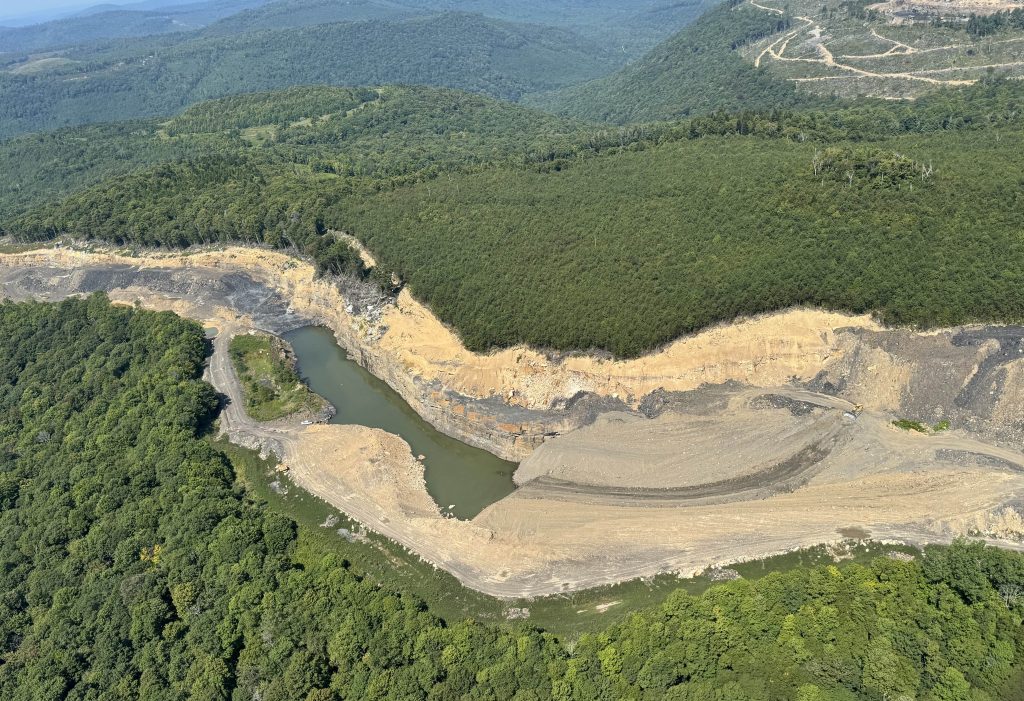
South Fork Coal Company's Rocky Run Surface Mine cutting a gash into the Yew Mountains above the South Fork Cherry River and the community of Richwood. Photo by Andrew Young/ Southwings
South Fork Coal Company failed to show up to a Feb. 3 hearing with the West Virginia Department of Environmental Protection regarding an array of long-standing violations at the company’s mines.
Violations discussed at the hearing included the company’s failures to properly construct and maintain drainage systems and to backfill, stabilize and revegetate mined-out areas at its Blue Knob Surface and Laurel Creek Contour mines. The violations also included failure to revegetate areas of its Lost Flats #1 Surface Mine and to prevent excessive erosion from its Pretty Ridge Surface Mine. All of these operations are in Greenbrier County near Richwood.
The hearing was requested by South Fork Coal Company last year in response to a series of show-cause orders that DEP issued against the company’s mines. A show-cause order is the most severe enforcement action mining regulators can take against noncompliant coal companies, short of suspending or revoking the company’s mining permits. By failing to show up at the Feb. 3 hearing, South Fork Coal Company appears to be forgoing its opportunity to defend its right to retain the implicated mining permits.
South Fork Coal Company has faced a flurry of litigation and public scrutiny in recent years due to reclamation and water-quality infractions like those at issue in last week’s hearing. The company was also exposed by conservation groups for illegally hauling coal through the Monongahela National Forest, and conservation groups sued the U.S. Forest Service for allowing that to occur.
South Fork declared bankruptcy in February 2025, intending to offload debts, restructure and continue operations. In the summer of 2025, the Trump administration rapidly and improperly issued after-the-fact authorizations designed to allow the company to continue using Forest Service roads as coal haulage routes. Despite this, the company’s mismanagement and mounting expenses prevented South Fork Coal from maintaining operations.
In September 2025, South Fork informed the bankruptcy court that it could not find a buyer for the company’s ailing operations — including a series of mines, haul roads and a preparation plant that are saddled with ongoing and expensive environmental problems. As a result, the company said it would have to liquidate all holdings and cease to exist.
This turn of events spared the watersheds where the company operates, most notably the Cherry River, from ongoing problems caused by this bad actor’s new mining. But it also meant that cleanup of the vast scars the company’s mines had already inflicted on the land and streams was left in limbo.
When a coal company loses a mining permit due to noncompliance, the provider of the company’s surety bond — a type of environmental insurance policy — may choose whether to take on the task of reclaiming the mine itself or to hand over the necessary funds to regulators to conduct the reclamation. One major problem with the system is that these bond providers are allowed an indefinite period of time to make that decision, which can leave land unreclaimed and waterways repeatedly inundated with sediment and other contaminants.
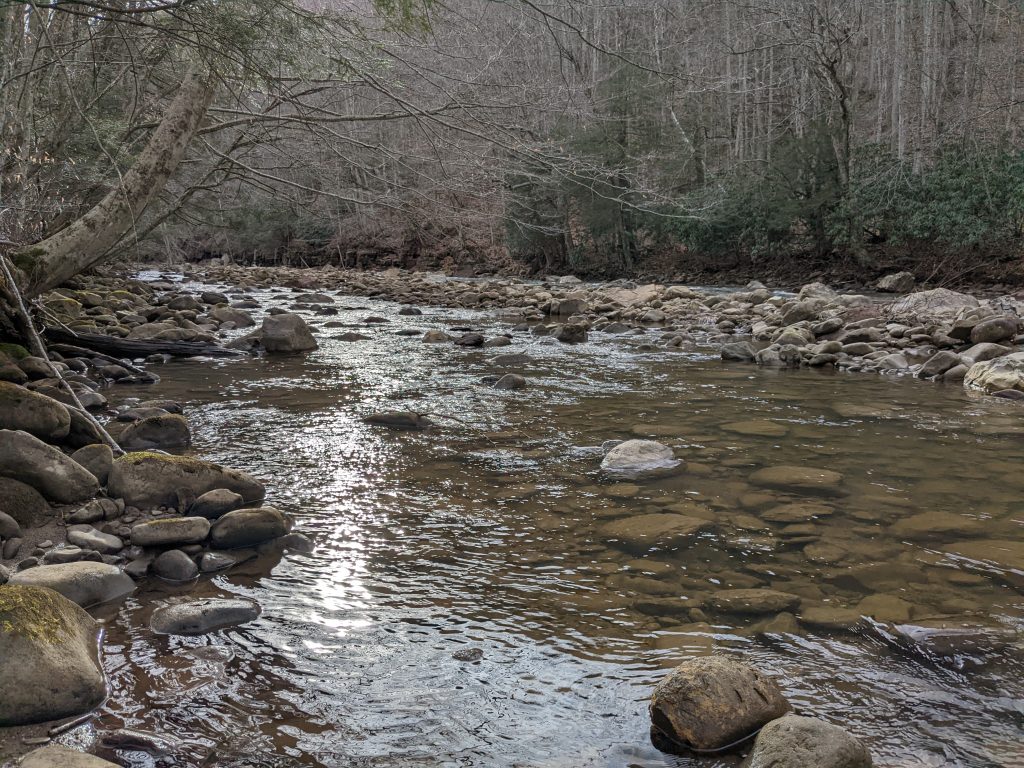
Conservation groups are invested in the long-term health and productivity of the South Fork Cherry River watershed. The area is immediately adjacent to the Monongahela National Forest, a short distance from the Cranberry Wilderness. The Cherry River is prime trout habitat and home to the endangered candy darter. And the high ridges South Fork Coal Company razed contained some of the continent’s southernmost stands of red spruce forest.
Within the year, we are hoping that South Fork Coal Company’s permits will be revoked and bonds forfeited so that reclamation can commence — whether conducted by DEP or the derelict coal company’s insurer. Along with our partners at the West Virginia Highlands Conservancy and Allegheny-Blue Ridge Alliance, Appalachian Voices is closely watching this situation and seeking dialogue with the West Virginia DEP so that we can understand, report on and hopefully support the agency’s plan for reclamation and recovery of this treasured landscape.

PREVIOUS
NEXT

Leave a comment
Your email address will not be published. Required fields are marked *
Leave a Comment