Trump administration decision to deny the science of climate change puts communities at increased risk
FOR IMMEDIATE RELEASE
February 10, 2026
CONTACT
Dan Radmacher, Media Specialist, (276) 289-1018, dan@appvoices.org
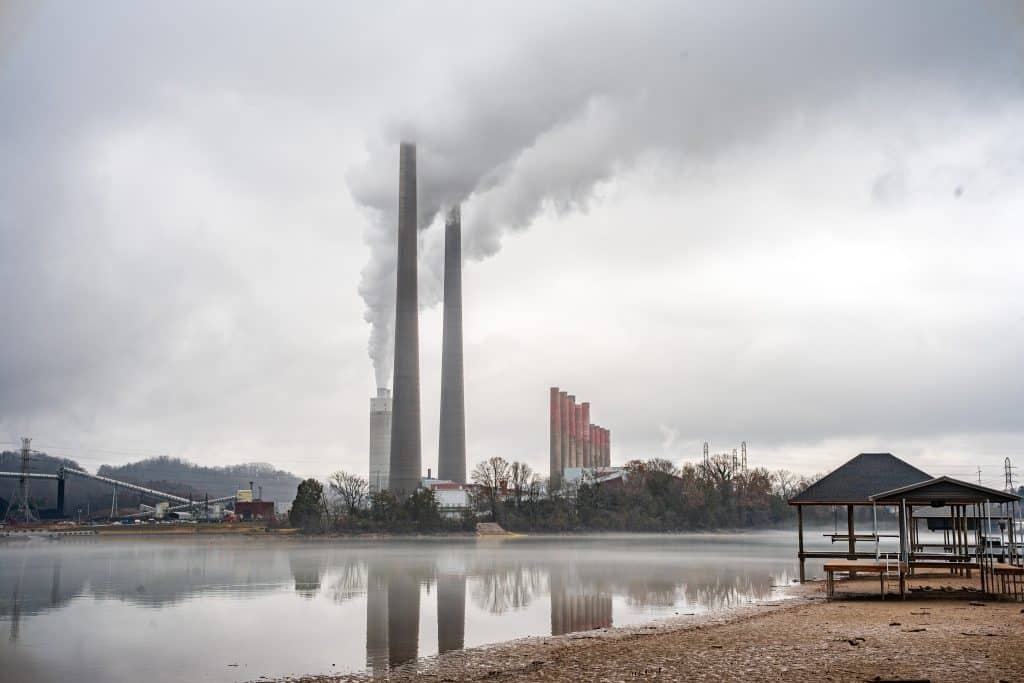
WASHINGTON, D.C. — Today, the U.S. Environmental Protection Agency announced that it will issue a final rule on Thursday attempting to dramatically limit its responsibility to regulate the pollution that causes climate change, which is worsening dangerous flooding events, extreme droughts and heat waves throughout Appalachia and beyond.
“The EPA has chosen to ignore well-established science as part of its ongoing efforts to undermine climate action and environmental protections,” said Chelsea Barnes, Director of Government Affairs and Strategy. “Rescinding the endangerment finding will make it harder for the federal government to regulate industries that contribute to climate change. This move places corporate profits over public health, the environment and protecting working people from the economic upheaval tied to climate change.”
The Clean Air Act gives EPA the authority to regulate air pollutants that endanger human health and the environment. In 2007, the Supreme Court held in Massachusetts v. EPA that greenhouse gases qualify as air pollutants under the Clean Air Act, and that EPA could regulate them if it determined that they posed a threat to people and the environment. In 2009, EPA issued a report — the “endangerment finding” — in which it determined that greenhouse gases do, in fact, endanger human and environmental health.
The report was based on overwhelming scientific evidence that greenhouse gases cause climate change, which contributes to more frequent and intense extreme weather events, like extreme heat and flooding. These extreme weather events, in turn, endanger both public health and the environment, and climate change is also contributing to the spread of illnesses like Lyme disease, putting greenhouse gases squarely within the EPA’s regulatory authority.
“The people of Appalachia are all too familiar with the devastating effects of flooding and other natural disasters that have been made worse by a rapidly warming planet,” said North Carolina Program Manager Ridge Graham. “The EPA’s decision to abandon its responsibility to regulate greenhouse gases ignores the severe dangers our communities face and the economic benefits of responsibly preparing for a changing world.”
The EPA’s authority under the endangerment finding has been the primary tool for regulating greenhouse gas emissions at the federal level. Many of the arguments made by EPA in its proposed rule rescinding the finding were the same arguments made by the dissent in the Massachusetts v. EPA case, leading some to believe that the current administration’s end goal may be to get the Supreme Court to revisit its decision in that case.
“We urge states, local governments and members of Congress to take the threat of climate change more seriously and take immediate actions to reduce greenhouse gas emissions that threaten lives and livelihoods,” said Brianna Knisley, Director of Public Power Campaigns.
For more about how climate change is affecting Appalachia:
More Stories