

By Ben Bolling
The Interagency Working Group on Coal and Power Plant Communities and Economic Revitalization was created by President Biden via executive order during his first week in office. In April 2021, the IWG released its initial report to the president identifying energy communities across the country that have been impacted by the closures of coal mines and coal-fired power plants.

Bethel Brock of the Southwest Virginia Black Lung Association, left, meets with Briggs White, deputy director of the IWG, right, at the Appalachian Voices office in Norton, Virginia. White led a discussion about federal assistance for communities undergoing an energy transition with representatives from six agencies at the 2022 Virginia Brownfields Conference held in June and met with environmental, black lung and economic development advocates. Photo by Ben Bolling
The IWG report advised the administration to prioritize these energy communities for federal investment and identified nearly $38 billion from existing federal programs that could provide immediate funding opportunities.
The IWG also created an online database where energy communities may search government-wide resource opportunities to “fund infrastructure, environmental remediation, job creation and community revitalization efforts.”
The Assistance to Coal Communities program through the U.S. Department of Commerce’s Economic Development Administration is one of the many resources available through the IWG clearinghouse. This economic assistance includes a revolving loan fund program that “supplies small businesses and entrepreneurs with the gap financing needed to start or expand their business.”
The Appalachian Regional Commission’s Partnerships for Opportunity and Workforce and Economic Revitalization Initiative is another funding opportunity with a track record of success in the region. According to ARC, the POWER Initiative “has invested more than $319.3 million in 395 projects touching 358 counties across Appalachia” creating or retaining 36,600 jobs since 2015.
Learn more about federal funding opportunities for coal-impacted communities at energycommunities.gov/funding-opportunities.
Related Articles
Latest News
More Stories
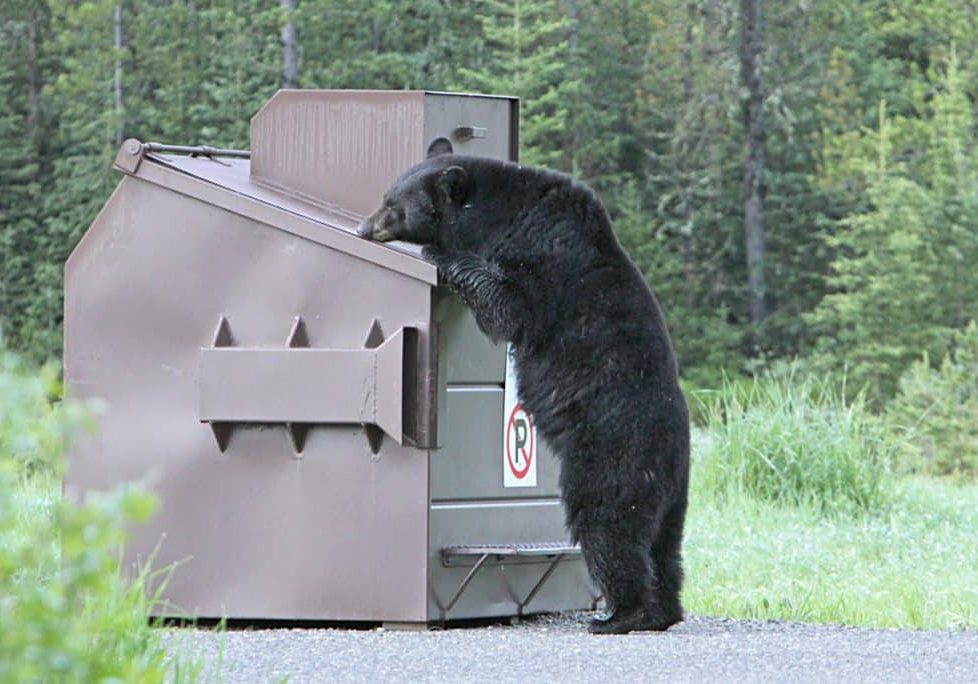
Increasing Human-Bear Conflict Prompts Legislation, Need for More Public Awareness
Experts report human-bear conflicts are on the rise in Western North Carolina, East Tennessee and other parts of the country due to an increasing bear population, development encroaching on bear habitat and other factors.
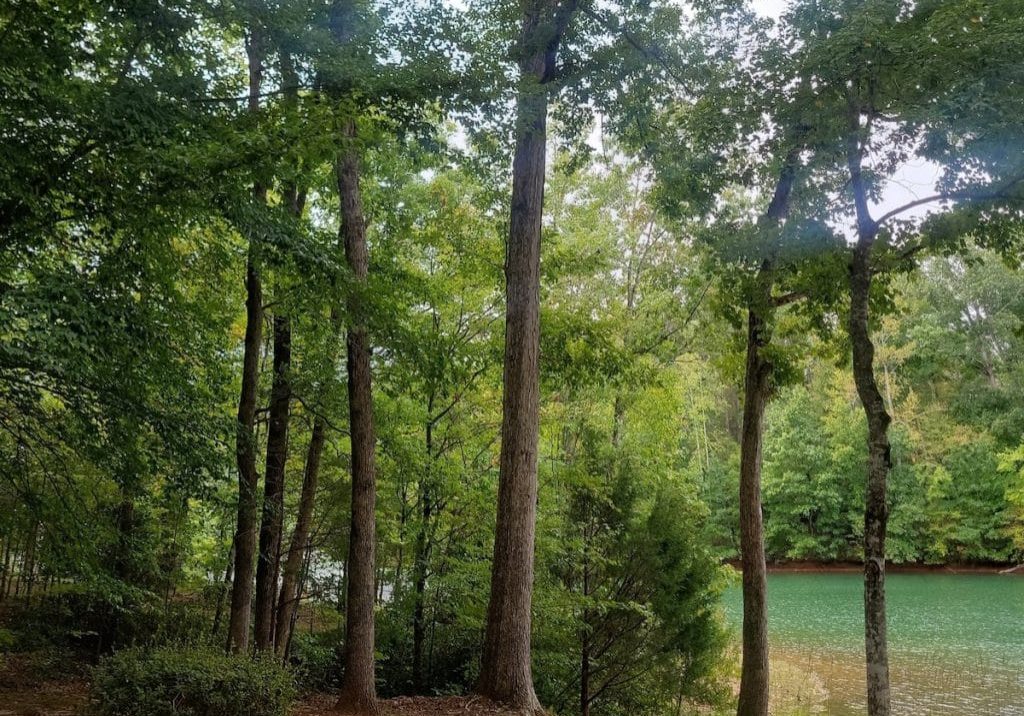
Planting for the Grandkids
Gardening from memory is getting trickier in Appalachia as hardiness zones change. Some areas, like parts of Asheville, Knoxville and Johnson City, have shifted full hardiness zones since 1990. An arborist explains what this shift means for the trees you plant this fall, and for the grandchildren who’ll live with them.
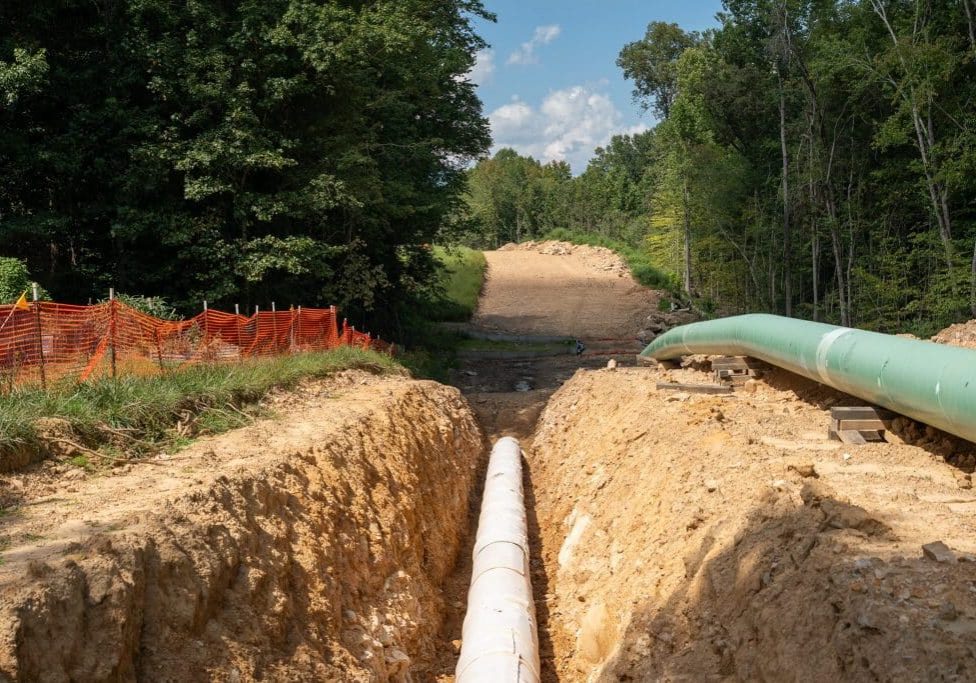
Ridgeline Pipeline Construction Impacts in Rural East Tennessee
Neighbors share concerns about noise, unpredictable construction schedules and other disruptions due to methane gas pipeline construction in East Tennessee.
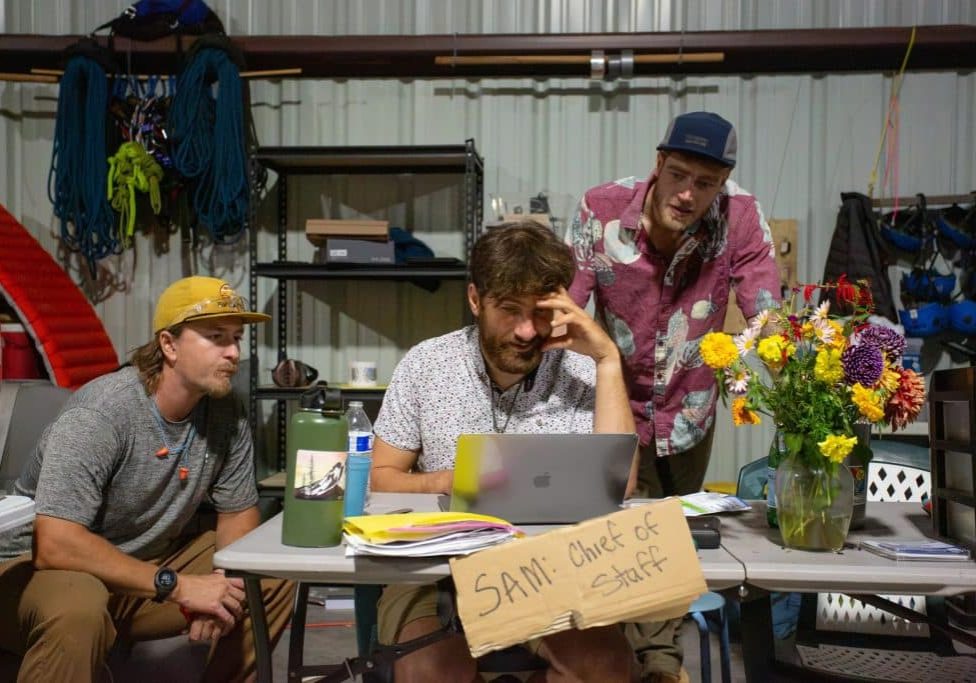
Neighbors Help Neighbors
A photo essay that celebrates the volunteer spirit of the grassroots group Hurricane Helene WNC and speaks to the resourcefulness, collaboration and hard work embodied by thousands and thousands of volunteers, first responders and aid workers across the region after Hurricane Helene.

Halloween Approaches, and Night School Is in Session
The House of Art in Bluefield, West Virginia, looks like a haunted tower, making it the perfect location for its sixth annual haunt event: Night School. The Night School will be open every Friday and Saturday night through Oct. 31.
‘The Most Perfect Act of Love’
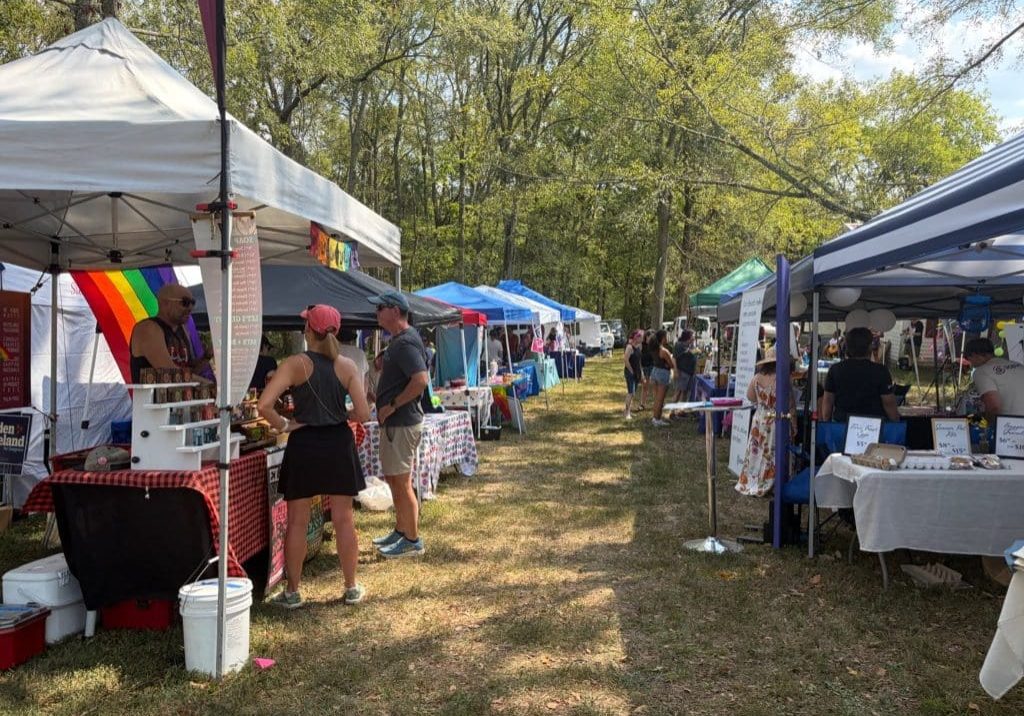
Hundreds of people attended the second annual Affirming Sumner Pride celebration on a 24-acre farm dubbed “Fruity Farm” in Bethpage, Sumner County, Tennessee.

Leave a comment
Your email address will not be published. Required fields are marked *
One response to “Interagency Group Aims to Get Federal Funds to Coal Communities”
-

I am looking for information on Virginia but the query pulled up West Virginia. You need to separate the states

Leave a Comment