

By L. Thompson
Warm weather brings people outside. Friends and family come together to hike, swim, jog or fish. Many people embrace the outdoors with open arms, fearlessness and a thirst for adventure. Despite how welcoming warm weather can be, many people of color share a different relationship with recreational activities.
“For Black folk, the outdoors is a space of generational trauma,” says the creator and host of the Always Be Birdin’ podcast, Sam DeJarnett.
DeJarnett’s podcast focuses on her experiences as a novice Black birder and includes conversations with other birders, nature experts and outdoor enthusiasts who are Black, Indigenous or people of color. Along with covering light-hearted topics, the podcast highlights how racism and colonization show up in the birding community.
“Black and Brown folk want to be outside and go fishing, camping, hiking, birding, [but] it isn’t safe for us,” says Dejarnett. “It is saturated with Whiteness and a lot of these spaces are in rural areas where a history of sundown towns exist and are what we call ‘no go zones.’”
In recent years, various nonprofit agencies have been trying to diversify their staff or begin to create space for Black and Brown people. Dejarnett explains that while this sounds like a step in the right direction, these organizations often “lack the trust and the skills to build trust in order for these communities to show up into an all-White space and not make [us] feel tokenized or unwelcome.”
While it is important for predominantly White nonprofit organizations to continue to diversify their staff and board members, it is also important that Black and Brown people continue to cultivate communities among themselves. “I want to go where my people are,” says Tykee James, founder and board chair of the nonprofit organization Amplify the Future.
James created his nonprofit organization to provide scholarships for historically excluded individuals who share a love for birds, conservation and the fields of science, technology, engineering, arts and mathematics. His program also offers professional development and networking opportunities for students and organizations.
“The changes that we are looking for are not going to happen because we ask for them. They are going to happen because we organize and build power,” James says.
Programs like Outdoor Afro, Diversify Outdoors, Camp Founder Girls, Black Kids Adventures, Soul River Inc., Oshun Swim School, In Color Birding Club and The Black Outdoors have been created to facilitate settings where people of color feel included. These programs are merely an introduction to an inclusive future.
Related Articles
Latest News
More Stories
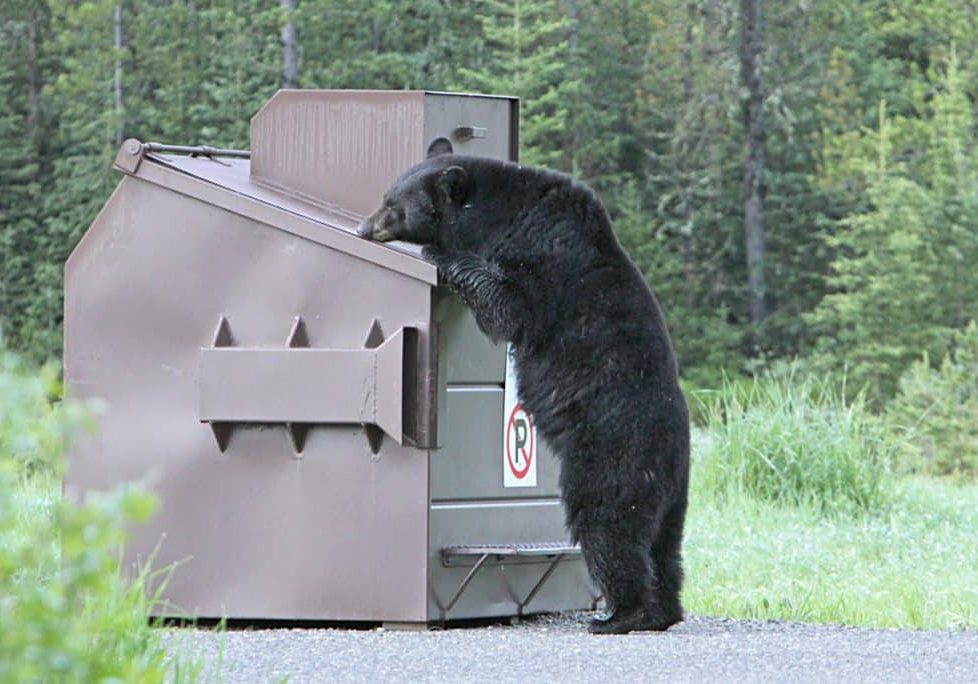
Increasing Human-Bear Conflict Prompts Legislation, Need for More Public Awareness
Experts report human-bear conflicts are on the rise in Western North Carolina, East Tennessee and other parts of the country due to an increasing bear population, development encroaching on bear habitat and other factors.
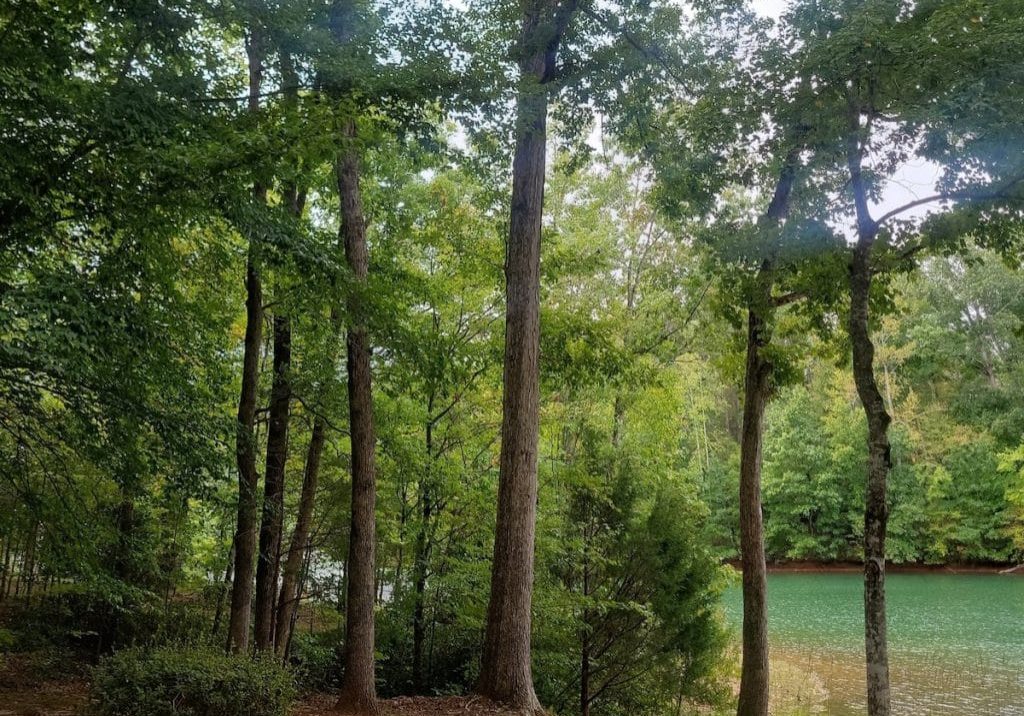
Planting for the Grandkids
Gardening from memory is getting trickier in Appalachia as hardiness zones change. Some areas, like parts of Asheville, Knoxville and Johnson City, have shifted full hardiness zones since 1990. An arborist explains what this shift means for the trees you plant this fall, and for the grandchildren who’ll live with them.

Ridgeline Pipeline Construction Impacts in Rural East Tennessee
Neighbors share concerns about noise, unpredictable construction schedules and other disruptions due to methane gas pipeline construction in East Tennessee.
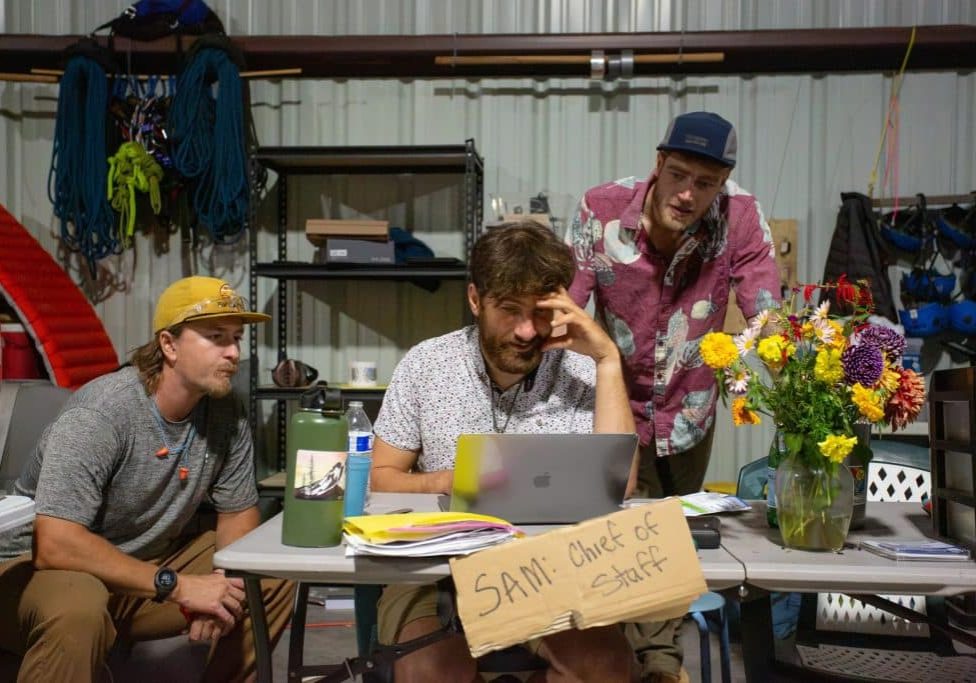
Neighbors Help Neighbors
A photo essay that celebrates the volunteer spirit of the grassroots group Hurricane Helene WNC and speaks to the resourcefulness, collaboration and hard work embodied by thousands and thousands of volunteers, first responders and aid workers across the region after Hurricane Helene.

Halloween Approaches, and Night School Is in Session
The House of Art in Bluefield, West Virginia, looks like a haunted tower, making it the perfect location for its sixth annual haunt event: Night School. The Night School will be open every Friday and Saturday night through Oct. 31.
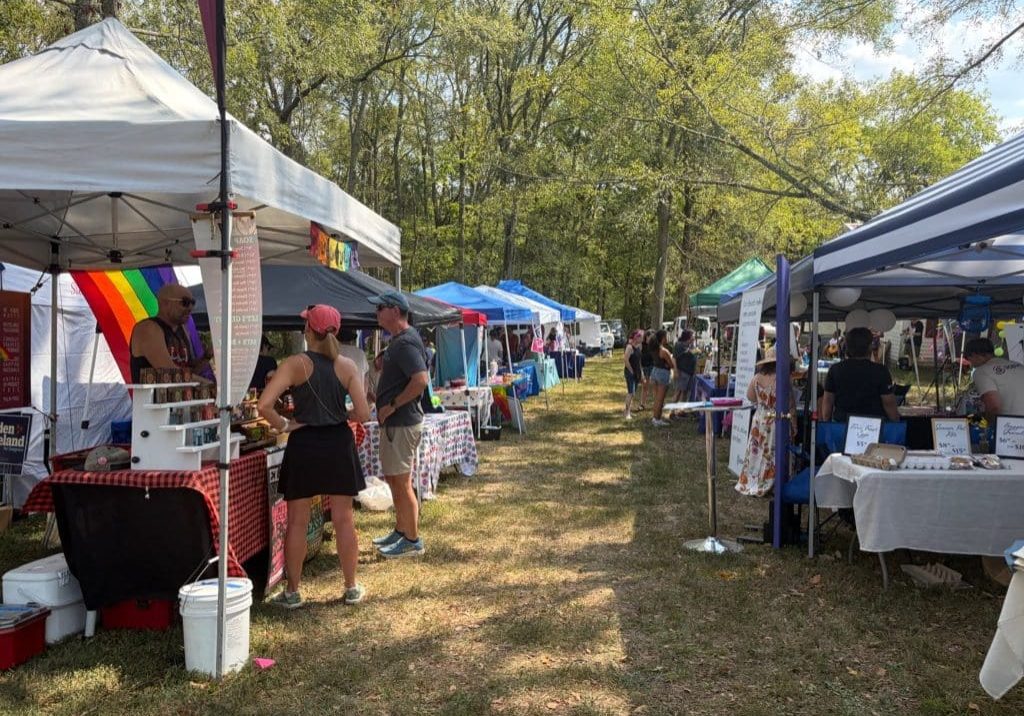
‘The Most Perfect Act of Love’
Hundreds of people attended the second annual Affirming Sumner Pride celebration on a 24-acre farm dubbed “Fruity Farm” in Bethpage, Sumner County, Tennessee.

Leave a comment
Your email address will not be published. Required fields are marked *
Leave a Comment