


Researchers have found alarming numbers of young fish in Herrington Lake with spinal and craniofacial deformities, telltale signs of coal-ash contamination. (Joshinatorky/Wikimedia Commons)
Critics say a plan developed by Kentucky Utilities to address groundwater pollution from an unlined coal-ash pond seeping into Herrington Lake is inadequate.
In 2017, the Sierra Club and Kentucky Waterways Alliance filed a lawsuit against Kentucky Utilities, which operates the power plant producing the coal ash, arguing that it violated federal regulations for storing toxic waste.
Lauren Piette, an associate attorney with Earthjustice, said the lawsuit is pending, but based on scientific evidence of groundwater pollution, the Kentucky Cabinet of Energy and the Environment required the utility to develop a corrective action plan.
“Unfortunately, from our perspective,” she said, “the corrective action plan didn’t really require Kentucky Utilities to do anything more than conduct a few years of studies on the pollution that we already knew was in the lake.”
Piette said a 2016 study found nine out of 10 fish samples from Herrington Lake had high selenium levels that exceed Kentucky’s water standards. Coal ash contains heavy metals and other pollutants known to harm fish, wildlife and human health.
A virtual public hearing on the plan was held on August 27. People can submit written comments through Sept. 15, 2020, by emailing [email protected] or through the Sierra Club’s website.
Hank Graddy, a representative of the Sierra Club Kentucky Chapter, said the cleanup plan doesn’t require the utility to take any specific measures to stop groundwater from seeping through its nearly 6 million cubic yards of buried coal ash.
“This does nothing to clean up the coal ash,” he said. “The coal ash continues to sit there; groundwater continues to go through it.”
Graddy said Herrington Lake is not only a popular destination for fishing and swimming, but also supplies drinking water to tens of thousands of people in the Harrodsburg area.
“Herrington Lake is a very popular lake. It’s an important lake to Kentucky,” he said. “A lot of friends of mine live on the lake, and KU owes it to their fellow Kentuckians to be more protective of this important resource.”
He said it remains unclear how the polluted groundwater is entering the lake. Environmental groups want the utility to either seal the unlined pond or transport the coal ash to a secure location.
Editor’s note: This article was updated from the original published Aug. 26, 2020 to reflect that the public hearing was held on Aug. 27 and to include the Kentucky Energy and Environment Cabinet email address for public comments.
Related Articles
Latest News
More Stories

Halloween Approaches, and Night School Is in Session
The House of Art in Bluefield, West Virginia, looks like a haunted tower, making it the perfect location for its sixth annual haunt event: Night School. The Night School will be open every Friday and Saturday night through Oct. 31.
‘The Most Perfect Act of Love’
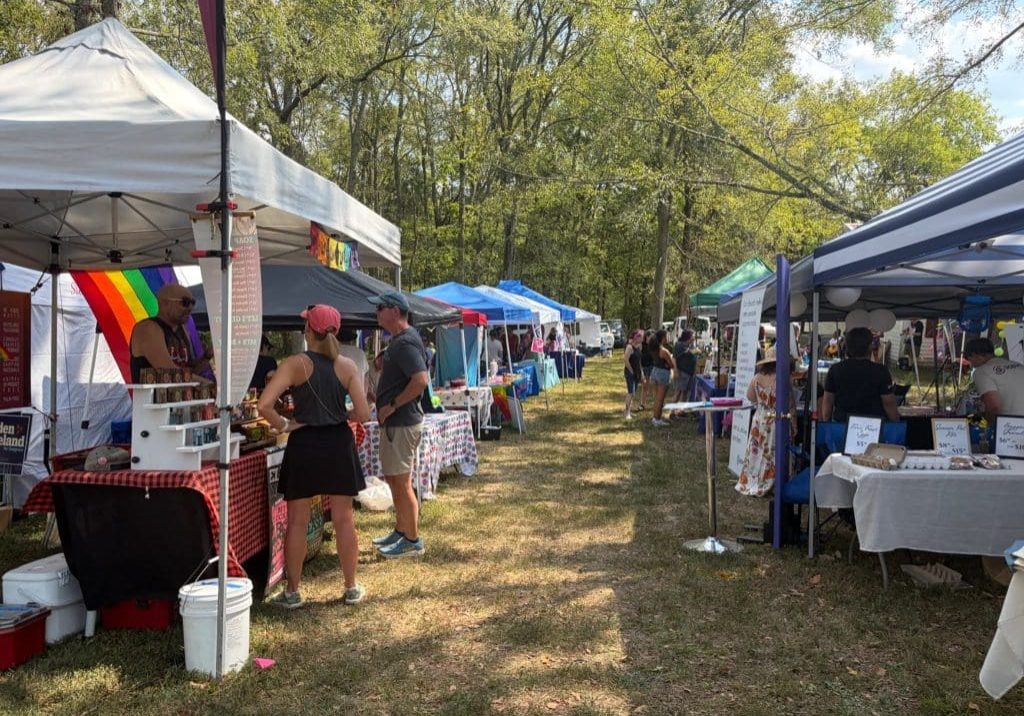
After losing its rural pride celebration, hundreds of people attended the second annual Affirming Sumner Pride celebration on a 24-acre farm dubbed “Fruity Farm” in Bethpage, Sumner County, Tennessee.

Signs of Life
In the Nantahala National Forest, a team of biologists spotted Indiana bats, an endangered species that hasn’t been seen in North Carolina for the last 11 years.

‘First Line of Defense’
During Hurricane Helene and its aftermath, rural fire departments and other first responder hubs played critical roles in keeping their communities safe, even without power and cut off from outside support for days or weeks after the storm. Two years later, plenty of work remains to ensure these hubs have the resources they need to operate day to day and be ready when emergencies or natural disasters strike.

The Rocky Road — and Bridge — to Recovery
Hurricane Helene is estimated to have damaged nearly 7,000 private roads and bridges in Western North Carolina. Two years later, many restoration projects are complete, but the journey hasn’t been easy — and isn’t over for others.
After 20 Years, Letcher County Prison Proposal Is Still Alive, Though Obstacles Remain
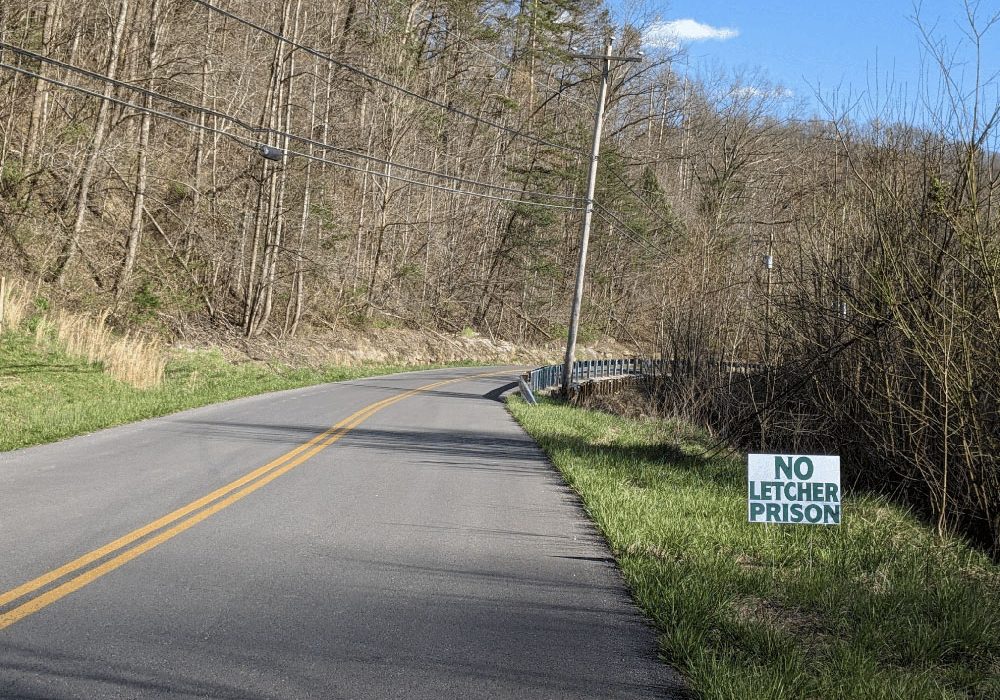
A $605 million proposal for a federal prison on a former strip mine site in Letcher County, Kentucky, championed by U.S. Rep. Hal Rogers, refuses to die, despite local opposition, a lack of support from the executive branch and numerous other obstacles.

Leave a comment
Your email address will not be published. Required fields are marked *
Leave a Comment