

Black Lung Healthcare Legislation Sees Progress
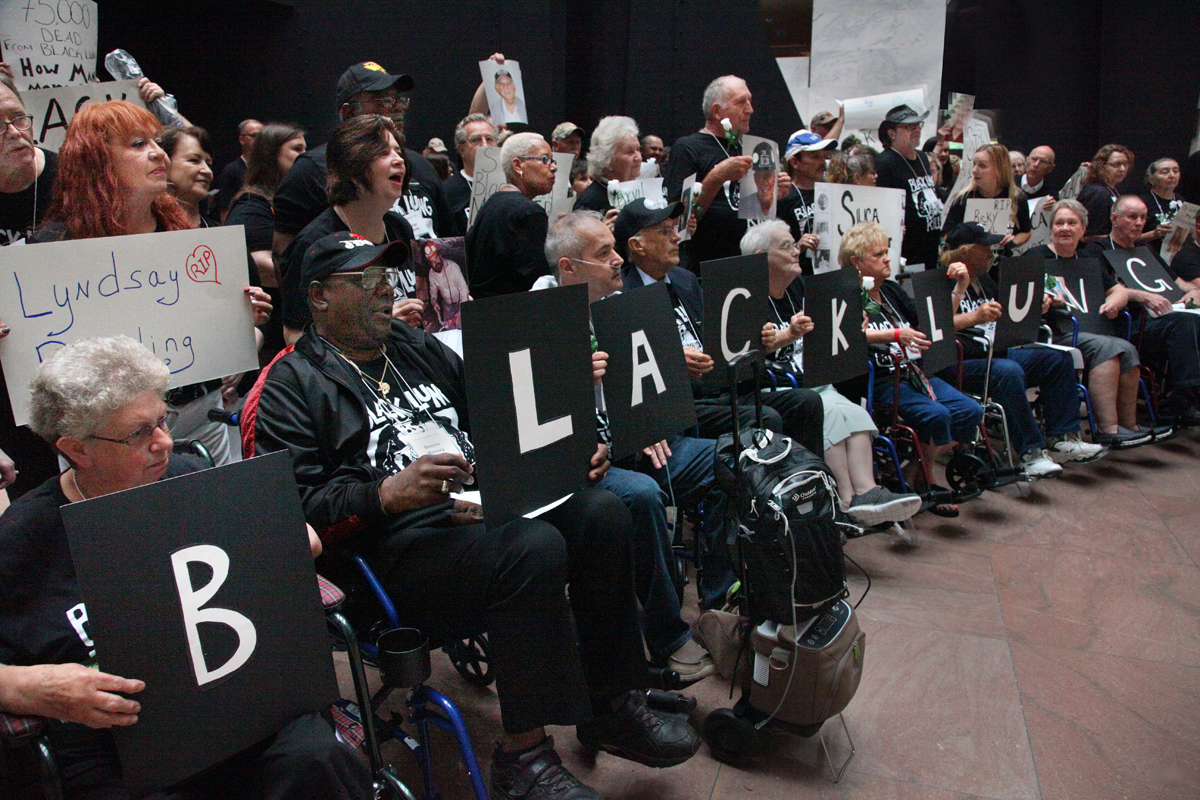
Miners and their families hold a demonstration in the Philip A. Hart Senate Office Building in Washington, D.C., in July 2019. Photo by Earl Dotter/EarlDotter.com
In December, the Black Lung Association, an organization comprised of coal miners afflicted with the disease and their supporters, marked a major victory. After two years of advocates’ lobbying, letter-writing and public demonstrations, Congress responded by temporarily reinstating an excise tax on coal companies that funds healthcare for miners with black lung and benefits for them and their dependents.
Black lung disease is a fatal, incurable condition caused by long-term exposure to coal and silica dust in and around coal mines. It is increasingly common and is affecting younger miners more than ever before.
Jimmy Moore, a retired coal miner and president of the Black Lung Association chapter in Whitesburg, Ky., was one of more than 150 coal miners and supporters who journeyed to Washington, D.C., in July 2019 to call for the tax to be restored.
“I think [the coal companies] are responsible for the miners that are getting black lung, and I think they ought to have to pay up,” says Moore.
In 2019, the tax on coal companies automatically decreased by half when legislators failed to extend it. The measure that passed in December only restores the tax for one year, meaning it will again be halved in 2021 without congressional action.
In a report, nonpartisan budget watchdog Taxpayers for Common Sense called the early 2019 tax reduction “effectively another taxpayer subsidy for one of the most subsidized industries in history.”
Black Lung Association chapters across the region and regional groups such as Appalachian Voices, the nonprofit organization that publishes this newspaper, continue to call for a 10-year extension of the tax. Appalachian coal state Democrats have introduced legislation doing just that into both houses of Congress, but these proposals currently lack the Republican co-sponsors that will likely be necessary to pass the measure into law.
“Across the region, the miners have got to listen to each other and work together,” says Dean Vance, president of the Black Lung Association chapter in Vansant, Va. “If we can’t stick together and say what we want, we won’t get it. We’re for all the miners equally, and that’s what it’s about.”
The temporary tax extension was passed as part of the 2020 budget, which also included measures to secure pension benefits for 92,000 coal miners and healthcare benefits for 13,000 that were jeopardized by recent coal bankruptcies.
“When I started work, they told me that I would have a pension whenever I retired, and that’s what I was working for,” says Moore. “I expected for them to keep their promise.”
The Black Lung Association is also supportive of an update to safety standards for silica dust, which can be more harmful than coal dust. A December 2019 study by the National Institute for Occupational Health and Safety found that 15 percent of samples from Central Appalachian surface mines exceeded the Occupational Health and Safety Administration’s exposure limit for silica dust. The U.S. Mine Safety and Health Administration, which sets exposure limits for coal mining, has not updated its silica standard since 1985.
“Folks in D.C. don’t understand coal miners, and the job we do, and the dirt and the filth we deal with,” says Vance. “When they hear these stories about black lung, some people don’t want to believe it. But when we go meet them and show them the truth about what’s actually happening to us, we can get some of them on our side.”
Related Articles
Latest News
More Stories

Signs of Life
In the Nantahala National Forest, a team of biologists spotted Indiana bats, an endangered species that hasn’t been seen in North Carolina for the last 11 years.

‘First Line of Defense’
During Hurricane Helene and its aftermath, rural fire departments and other first responder hubs played critical roles in keeping their communities safe, even without power and cut off from outside support for days or weeks after the storm. Two years later, plenty of work remains to ensure these hubs have the resources they need to operate day to day and be ready when emergencies or natural disasters strike.

The Rocky Road — and Bridge — to Recovery
Hurricane Helene is estimated to have damaged nearly 7,000 private roads and bridges in Western North Carolina. Two years later, many restoration projects are complete, but the journey hasn’t been easy — and isn’t over for others.
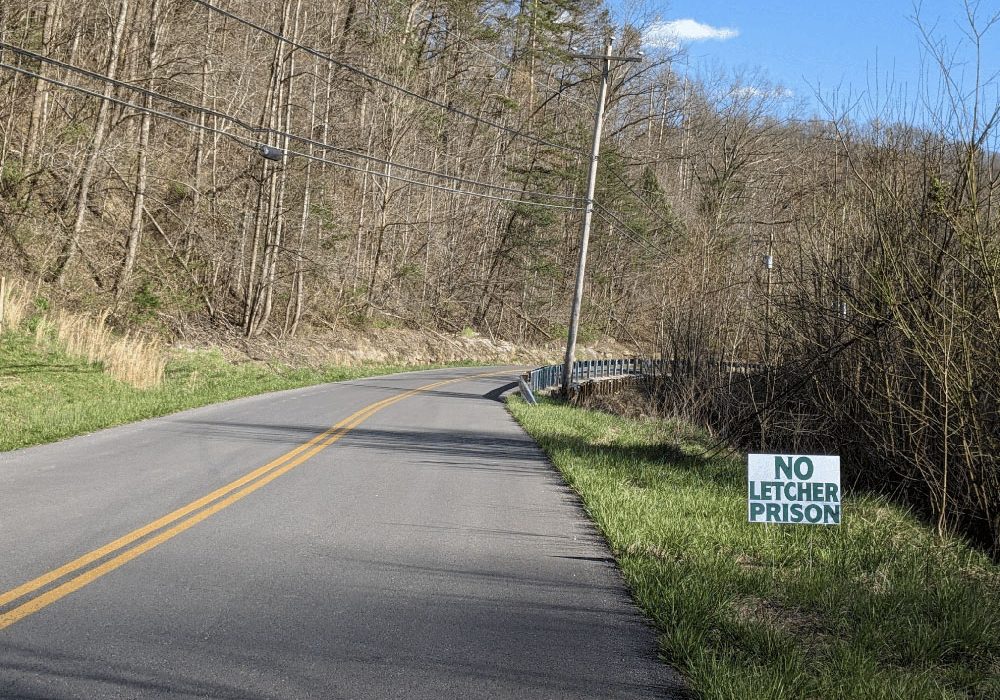
After 20 Years, Letcher County Prison Proposal Is Still Alive, Though Obstacles Remain
A $605 million proposal for a federal prison on a former strip mine site in Letcher County, Kentucky, championed by U.S. Rep. Hal Rogers, refuses to die, despite local opposition, a lack of support from the executive branch and numerous other obstacles.
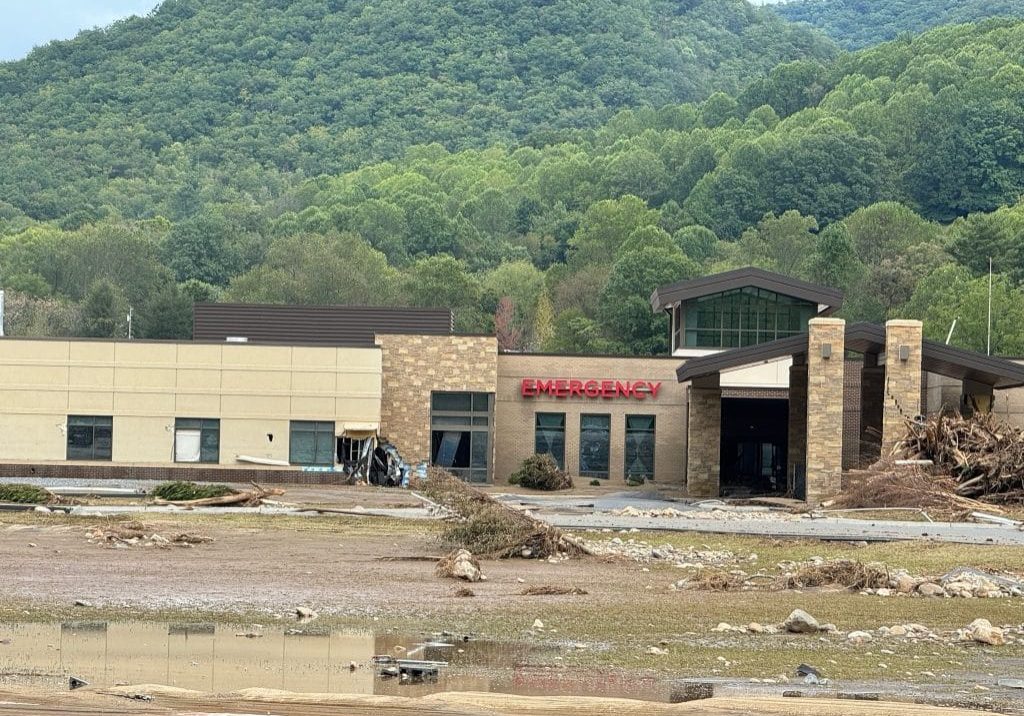
The Washout and Rebuild
For nearly two years, residents of Unicoi County, Tennessee, have had to make do without a hospital after Hurricane Helene destroyed the rural hospital. Ballad Health, which owns the hospital, broke ground on a new location — in another floodplain — in August 2026.

The Shenandoah Salamander
The Shenandoah salamander is a woodland salamander, which has adapted to life at higher elevations away from water. This sparkling rarity lives among the dry leaves, cracked logs, and stony hillocks on the highest peaks of Shenandoah National Park.

Leave a comment
Your email address will not be published. Required fields are marked *
Leave a Comment