

A federal audit of the U.S. Mine Safety and Health Administration, released in August 2019, found no evidence to support a correlation between payment of mine safety penalties and the safety of mine operations over 18 years.
Wes Addington, executive director of the nonprofit Appalachian Citizens Law Center, told National Public Radio that “penalties just aren’t high enough to deter bad behavior.”
The auditors looked at coal, metal and nonmetal mines together.
The auditors recommended that MSHA hold mine operators accountable for their safety record by not allowing them to open new mines if they have outstanding penalties. However, MSHA claims they do not have the legal authority to do this. Auditors also recommended that MSHA develop ways to measure the effectiveness of penalties, but MSHA expressed difficulties, telling NPR that fines are one of many variables to make mines safe.
West Virginia Gov. Jim Justice and his family own the most delinquent mine companies in the country. The companies owed $4.7 million in unpaid mine safety penalties as of September, which accounts for nearly 10 percent of all mine-related delinquent debt in the United States, according to information disclosed by MSHA.
In May, MSHA and the U.S. Department of Justice sued the Justice family for failure to pay. In July, lawyers for the Justice family filed a motion to dismiss, which federal prosecutors refused. — By Hannah McAlister
Related Articles
Latest News
More Stories

Halloween Approaches, and Night School Is in Session
The House of Art in Bluefield, West Virginia, looks like a haunted tower, making it the perfect location for its sixth annual haunt event: Night School. The Night School will be open every Friday and Saturday night through Oct. 31.
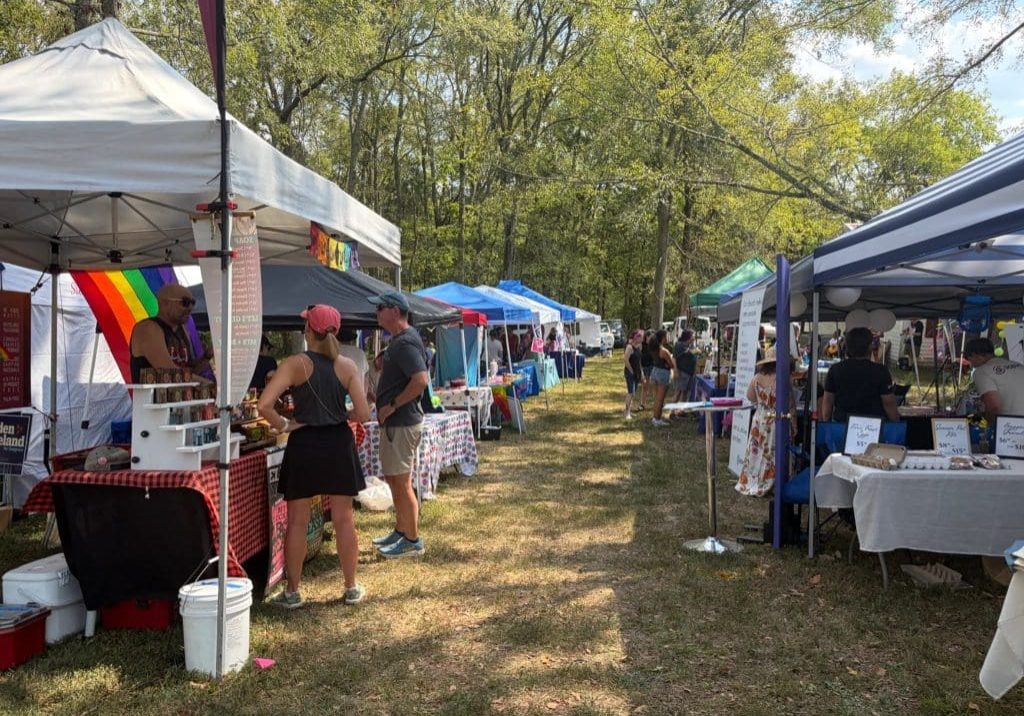
‘The Most Perfect Act of Love’
After losing its rural pride celebration, hundreds of people attended the second annual Affirming Sumner Pride celebration on a 24-acre farm dubbed “Fruity Farm” in Bethpage, Sumner County, Tennessee.
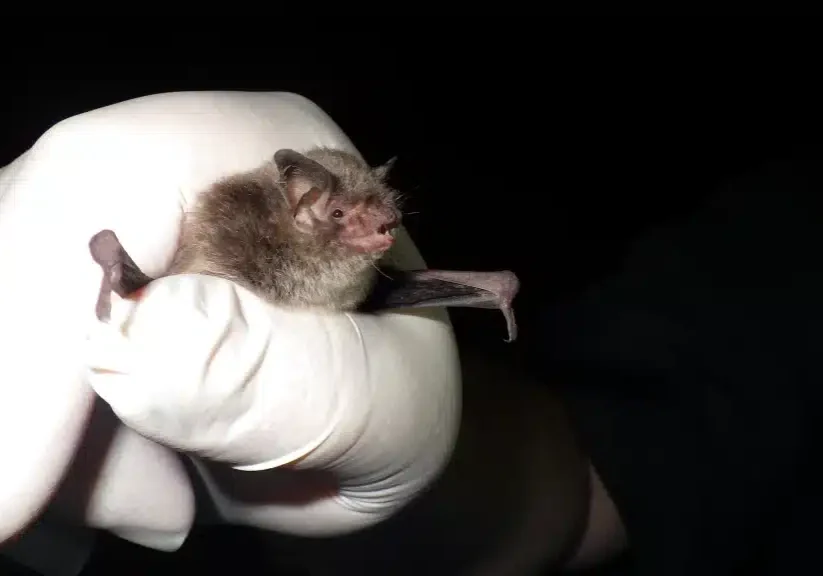
Signs of Life
In the Nantahala National Forest, a team of biologists spotted Indiana bats, an endangered species that hasn’t been seen in North Carolina for the last 11 years.

‘First Line of Defense’
During Hurricane Helene and its aftermath, rural fire departments and other first responder hubs played critical roles in keeping their communities safe, even without power and cut off from outside support for days or weeks after the storm. Two years later, plenty of work remains to ensure these hubs have the resources they need to operate day to day and be ready when emergencies or natural disasters strike.

The Rocky Road — and Bridge — to Recovery
Hurricane Helene is estimated to have damaged nearly 7,000 private roads and bridges in Western North Carolina. Two years later, many restoration projects are complete, but the journey hasn’t been easy — and isn’t over for others.
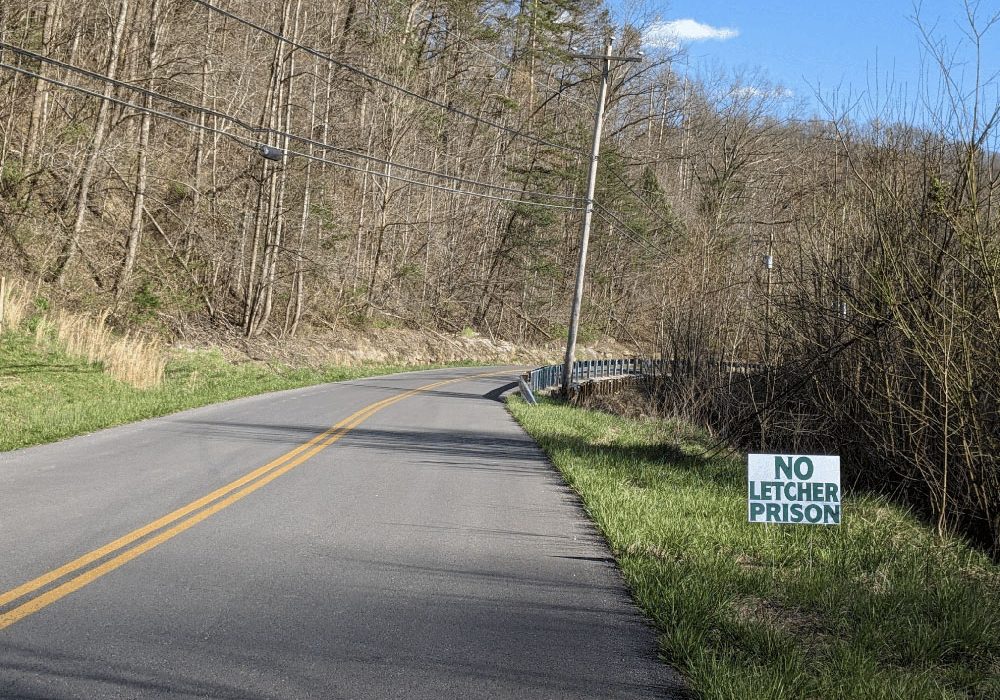
After 20 Years, Letcher County Prison Proposal Is Still Alive, Though Obstacles Remain
A $605 million proposal for a federal prison on a former strip mine site in Letcher County, Kentucky, championed by U.S. Rep. Hal Rogers, refuses to die, despite local opposition, a lack of support from the executive branch and numerous other obstacles.

Leave a comment
Your email address will not be published. Required fields are marked *
Leave a Comment