

SNAP Stretch Programs Expand Access to Fresh Food
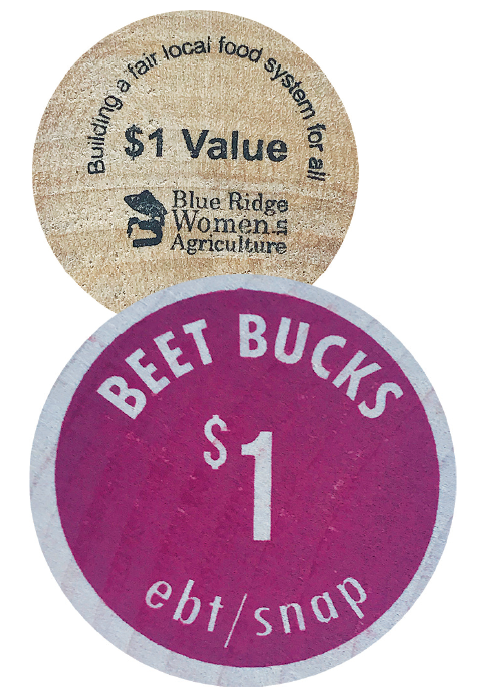
At farmers markets in Watauga County, N.C., people using federal nutrition programs can receive these tokens to double their purchasing power through a Blue Ridge Women in Agriculture program. Photos: BRWIA
One of the most effective ways to combat food insecurity is the federal Supplemental Nutrition Assistance Program, which provides funds that qualifying individuals and families can spend on food at grocery and convenience stores. Still, this is often not enough for people to comfortably buy nutritious, fresh fruits and vegetables.
This is where many nonprofit organizations are stepping in to increase the amount of fresh, healthy produce people can access using SNAP.
In many Kentucky counties, the Community Farm Alliance and Bluegrass Farm to Table partner to run Kentucky Double Dollars. This program allows people on SNAP and two other federal programs geared towards women, children and seniors to receive up to $20 in tokens per market day to spend on Kentucky-grown produce, meat and cheese, simply by spending the same amount of SNAP money at one of their 41 participating markets. Programs like this double recipients’ spending power for local food, fighting food insecurity while also supporting farmers.
Virginia Fresh Match runs a similar program at participating Virginia stores and farmers markets, as does Nourish Knoxville in its city and West Virginia Food and Farm Coalition at West Virginia markets, among other programs. Blue Ridge Women in Agriculture’s “Double Up Food Bucks” initiative, available at several markets in Watauga County, N.C., accepts money from programs besides SNAP, as does Kentucky Double Dollars.
These initiatives present difficulties, however. Machines that accept SNAP benefits can run up to $1,000 with a $45 monthly fee, according to Laura Hill with the West Virginia Food and Farm Coalition, which began their SNAP Stretch program in summer 2018. Hill states that there used to be federal money available to assist in the purchase of these machines, but it’s no longer readily accessible.
Consistent wireless internet to run the machines is also an issue. SNAP recipients also often have trouble traveling to farmers markets, though that can be addressed with creative solutions like pop-up markets in certain areas.
Hill also describes a necessary change in perception for both the farmers and those using federal nutrition assistance. For example, farmers sometimes aren’t willing to buy a SNAP machine for their market because many customers have not asked them for it, which in turn decreases SNAP recipients’ access to the market.
“Word hasn’t gotten around to everyone,” says Hill. “We’re increasing awareness, but when [SNAP customers] hear about this program it almost seems too good to be true.”
And federal decisions regarding SNAP funding have a huge impact and can lead to uncertainty, as does the amount of donations available to match SNAP dollars.
With proper support, these programs can successfully match two groups — small local farmers and SNAP recipients — who can help one another. The result is increased quality of nutrition and fresh taste for the region’s low-income residents and a boon to the local agricultural economy.
Related Articles
Latest News
More Stories
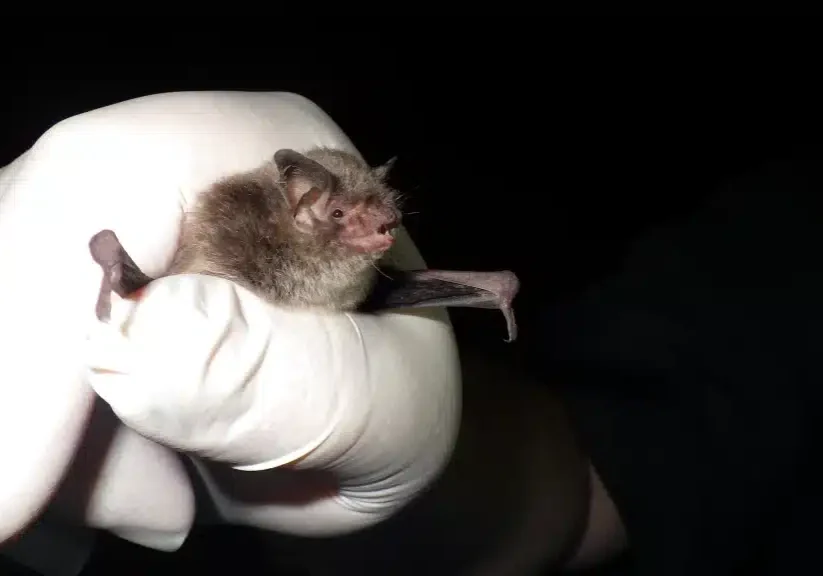
Signs of Life
In the Nantahala National Forest, a team of biologists spotted Indiana bats, an endangered species that hasn’t been seen in North Carolina for the last 11 years.
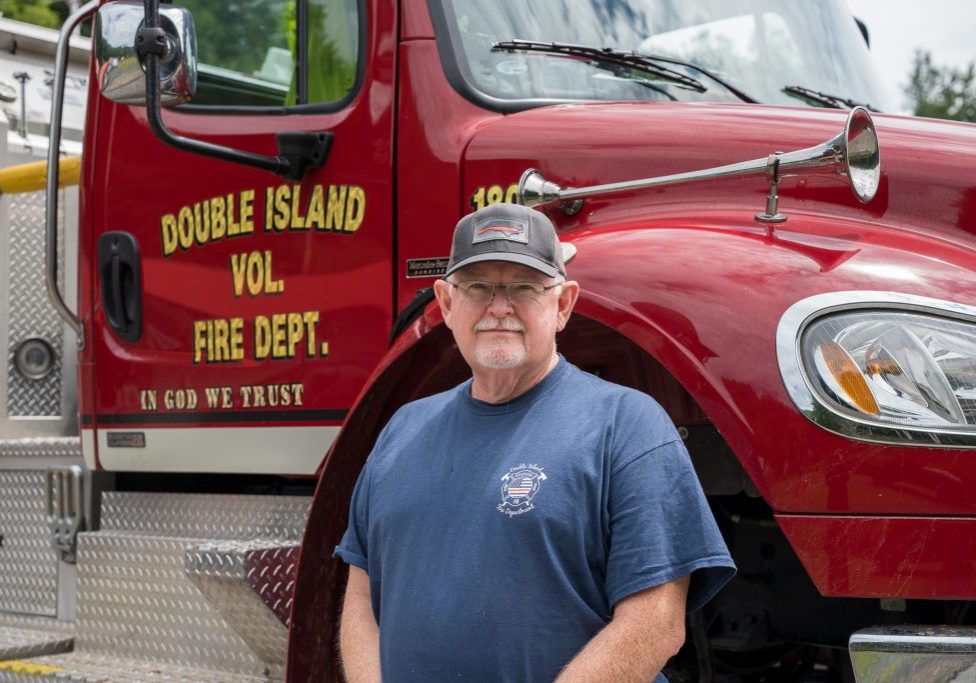
‘First Line of Defense’
During Hurricane Helene and its aftermath, rural fire departments and other first responder hubs played critical roles in keeping their communities safe, even without power and cut off from outside support for days or weeks after the storm. Two years later, plenty of work remains to ensure these hubs have the resources they need to operate day to day and be ready when emergencies or natural disasters strike.
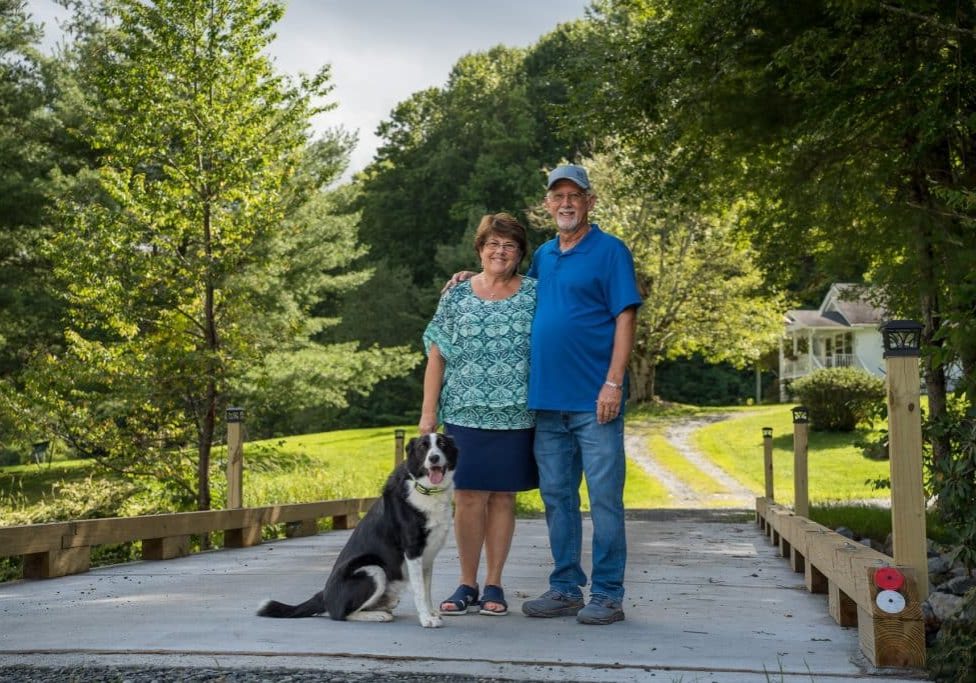
The Rocky Road — and Bridge — to Recovery
Hurricane Helene is estimated to have damaged nearly 7,000 private roads and bridges in Western North Carolina. Two years later, many restoration projects are complete, but the journey hasn’t been easy — and isn’t over for others.
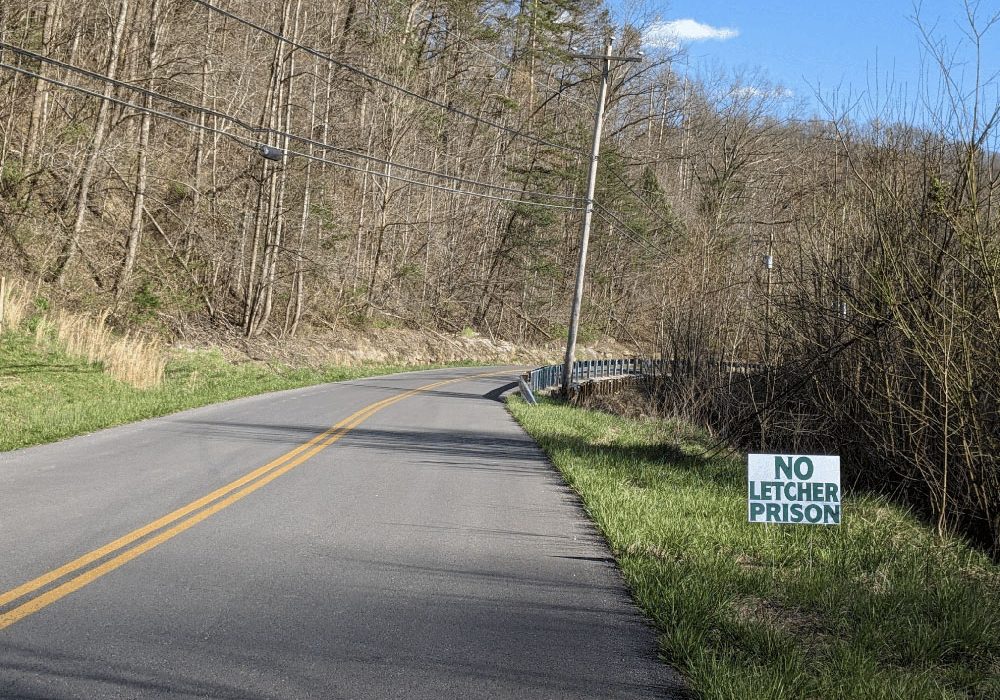
After 20 Years, Letcher County Prison Proposal Is Still Alive, Though Obstacles Remain
A $605 million proposal for a federal prison on a former strip mine site in Letcher County, Kentucky, championed by U.S. Rep. Hal Rogers, refuses to die, despite local opposition, a lack of support from the executive branch and numerous other obstacles.
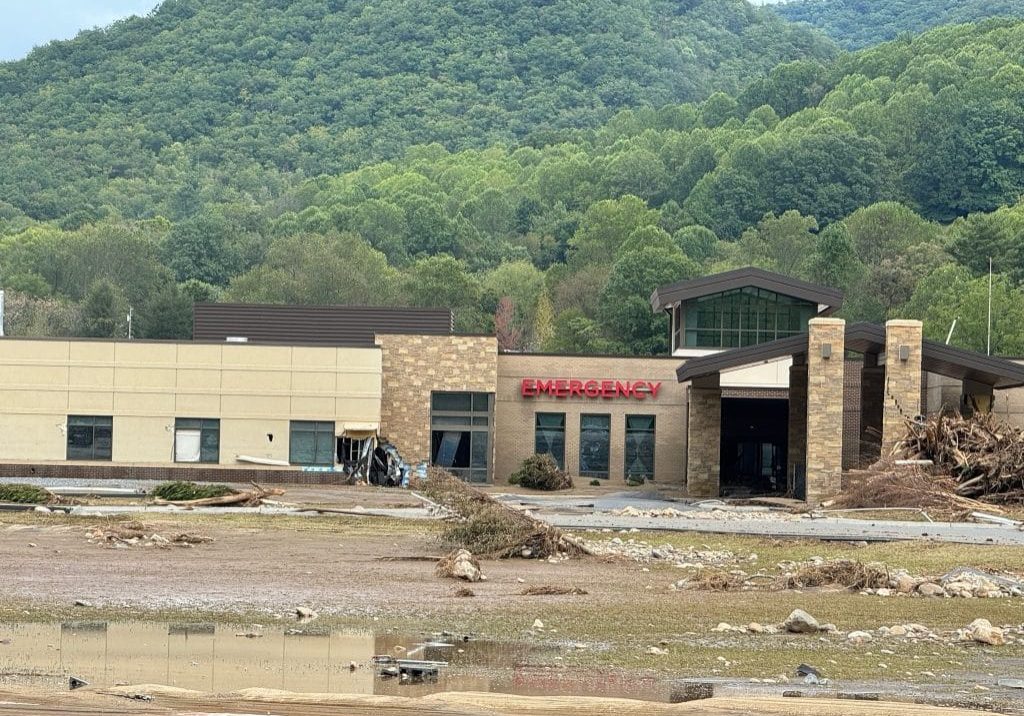
The Washout and Rebuild
For nearly two years, residents of Unicoi County, Tennessee, have had to make do without a hospital after Hurricane Helene destroyed the rural hospital. Ballad Health, which owns the hospital, broke ground on a new location — in another floodplain — in August 2026.
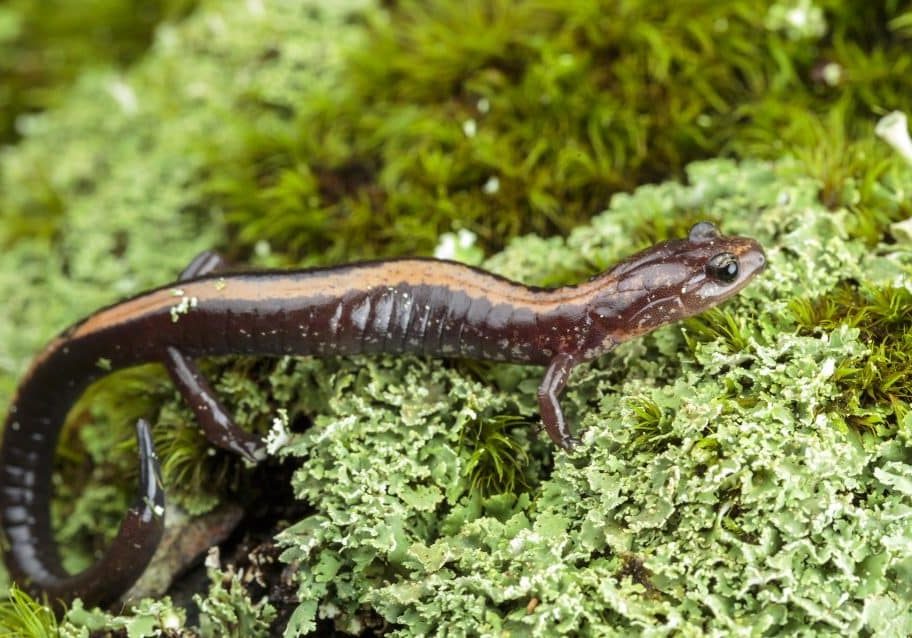
The Shenandoah Salamander
The Shenandoah salamander is a woodland salamander, which has adapted to life at higher elevations away from water. This sparkling rarity lives among the dry leaves, cracked logs, and stony hillocks on the highest peaks of Shenandoah National Park.

Leave a comment
Your email address will not be published. Required fields are marked *
Leave a Comment