

Local Ingredients, Local Spirits

Photo courtesy of Ragged Branch
Appalachia has a long-standing tradition of home-brewing and moonshine-making. Today, distilleries in the region are taking the initiative to craft creative products that pay tribute to their heritage with ingredients sourced from local growers.
In North Carolina, two such distilleries have a particularly unique approach. Eda Rhyne Distillery in Asheville produces three herbal spirits inspired by and fashioned from the flavors of regional plants and medicinals, such as wildflower and black walnuts. Eda Rhyne locally sources heirloom corn and grains, and botanicals used in their products are organically harvested and grown either by owner Rett Murphy or wild-harvested in the surrounding mountains.
Meanwhile in Wilkesboro, N.C., Copper Barrel Distillery makes moonshine in multiple flavors. Founder Buck Nance designed and created the first legal steam-injected distillation system, which Copper Barrel uses to produce their spirits. Copper Barrel also sources ingredients such as rye and corn from North Carolina farms and mills.
Ragged Branch Distillery in Charlottesville, Va., grows corn for their products on leased land at Pounding Branch Farm. They then add locally sourced wheat or rye to create their two Virginia straight bourbons. Hopping over to Jonesborough, Tenn., Tennessee Hills Distillery produces 13 spirits of a wide variety, from gin and vodka to all kinds of flavored rums. The motto of Tennessee Hills is “Embracing Heritage,” a sentiment that they express through exclusively using locally grown yellow dent corn and barley.
Moving further north to Ripley, W.Va., Appalachian Distillery produces sour mash moonshine, whiskey and bourbon in their 10,000-square-foot facility. Appalachian Distillery states that from corn stalk to bottle, their product is 100 percent made in West Virginia. The company prides itself on mashing, fermenting, distilling and bottling their products all on-site. In Maxwelton, W.Va., Smooth Ambler Spirits uses locally sourced grain to make their whiskeys.
Jumping over to Kentucky, the birthplace of bourbon, Wilderness Trail Distillery in Danville, Ky., uses rye from a local farm to craft their Kentucky Straight Rye Whiskey. Kentucky Mist uses Appalachian fruits such as apples and wild blackberries to help craft and flavor their spirits. Based in Whitesburg, Ky., Kentucky Mist also sells its products in Lexington, Ky., and Myrtle Beach, S.C.
Tastings and tours are offered at each of these locations. To learn more about the distillery of your fancy, visit their website or give them a call!
Related Articles
Latest News
More Stories

Signs of Life
In the Nantahala National Forest, a team of biologists spotted Indiana bats, an endangered species that hasn’t been seen in North Carolina for the last 11 years.

‘First Line of Defense’
During Hurricane Helene and its aftermath, rural fire departments and other first responder hubs played critical roles in keeping their communities safe, even without power and cut off from outside support for days or weeks after the storm. Two years later, plenty of work remains to ensure these hubs have the resources they need to operate day to day and be ready when emergencies or natural disasters strike.

The Rocky Road — and Bridge — to Recovery
Hurricane Helene is estimated to have damaged nearly 7,000 private roads and bridges in Western North Carolina. Two years later, many restoration projects are complete, but the journey hasn’t been easy — and isn’t over for others.
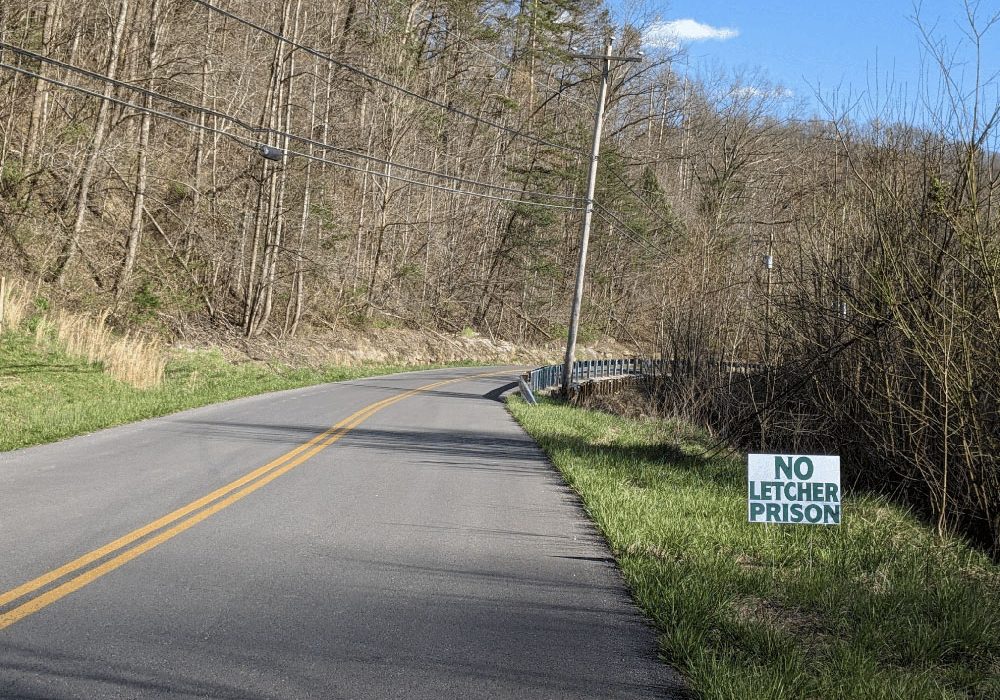
After 20 Years, Letcher County Prison Proposal Is Still Alive, Though Obstacles Remain
A $605 million proposal for a federal prison on a former strip mine site in Letcher County, Kentucky, championed by U.S. Rep. Hal Rogers, refuses to die, despite local opposition, a lack of support from the executive branch and numerous other obstacles.
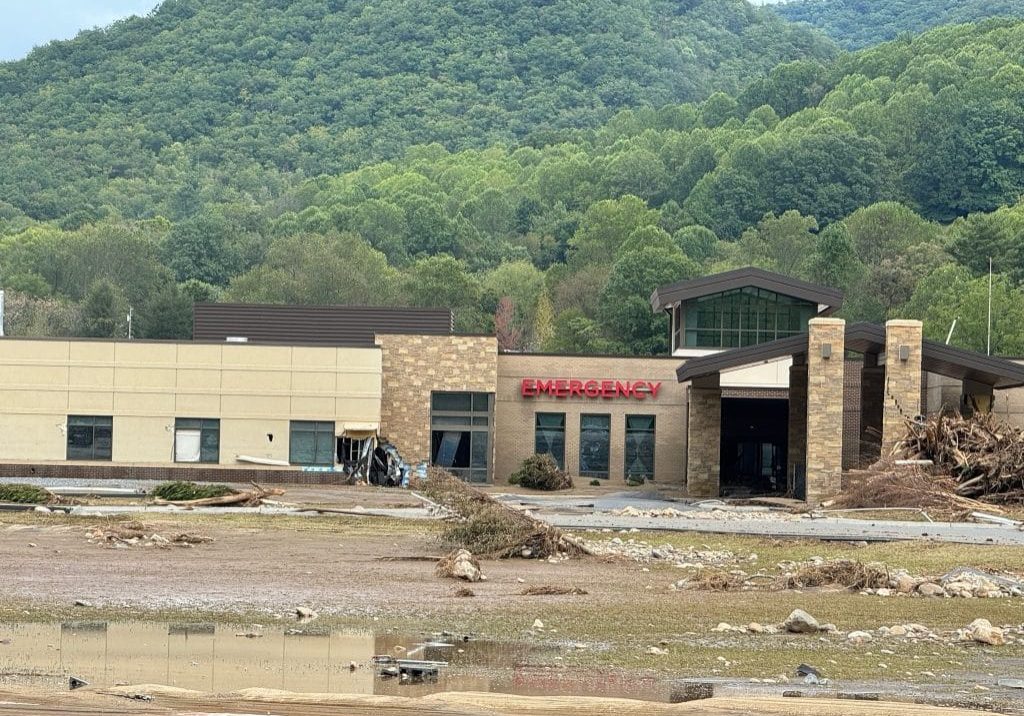
The Washout and Rebuild
For nearly two years, residents of Unicoi County, Tennessee, have had to make do without a hospital after Hurricane Helene destroyed the rural hospital. Ballad Health, which owns the hospital, broke ground on a new location — in another floodplain — in August 2026.
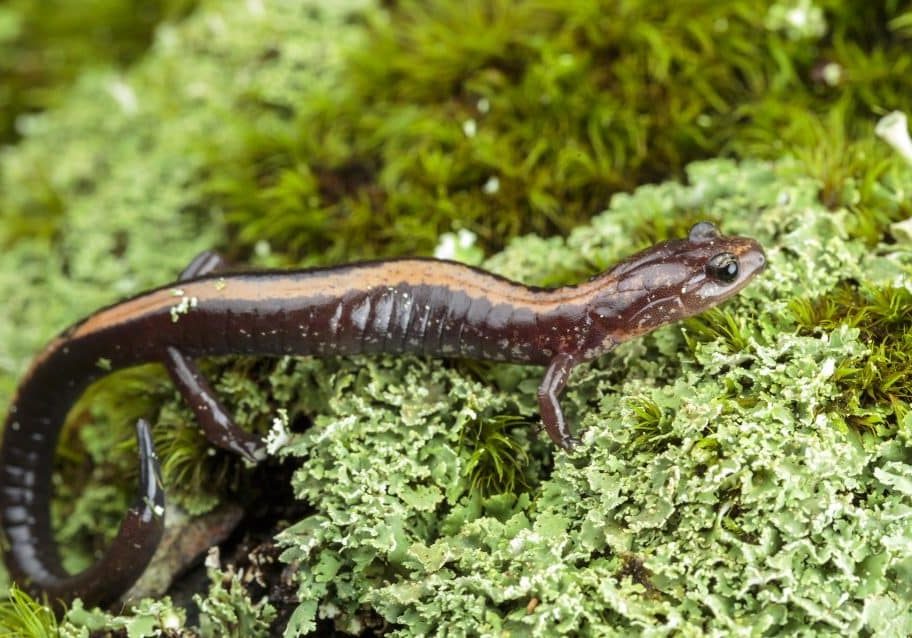
The Shenandoah Salamander
The Shenandoah salamander is a woodland salamander, which has adapted to life at higher elevations away from water. This sparkling rarity lives among the dry leaves, cracked logs, and stony hillocks on the highest peaks of Shenandoah National Park.

Leave a comment
Your email address will not be published. Required fields are marked *
Leave a Comment