

Facing Hunger Foodbank
By Sam Kepple
Based out of Huntington, W.Va., Facing Hunger Foodbank is a regional nonprofit organization working to combat food insecurity in Appalachia.
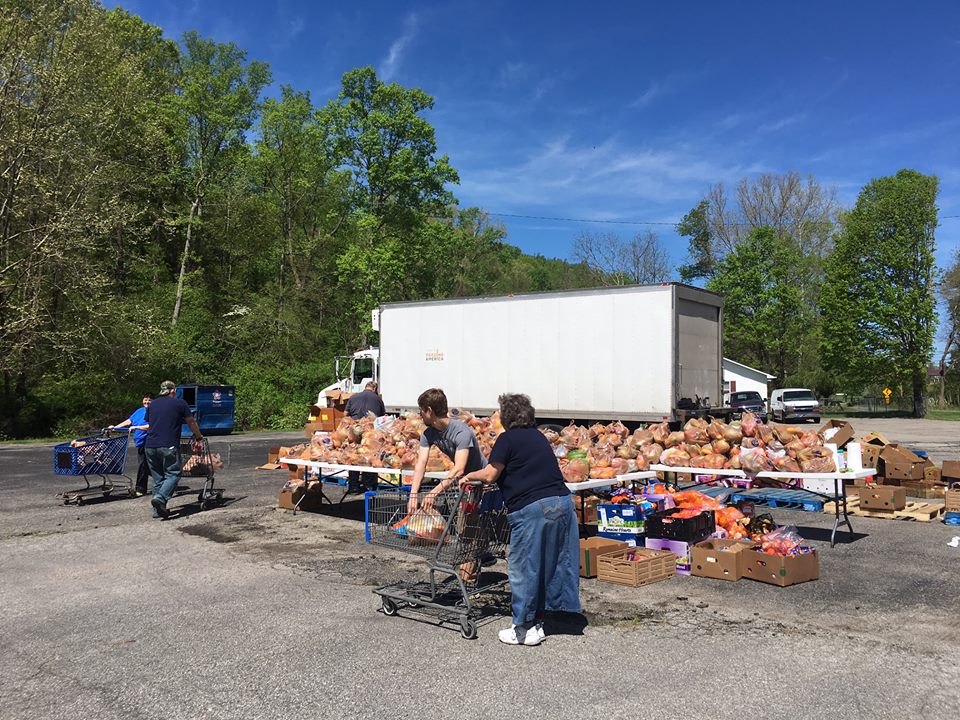
Facing Hunger provides mobile foodbanks to serve communities where healthy food is scarce. Photo by Bill Hagy
Facing Hunger distributed more than 7.4 million pounds of food in 2018. Between their many programs, Facing Hunger provides services to around 116,000 people annually across 17 counties in West Virginia, eastern Kentucky and southeastern Ohio.
Facing Hunger’s endeavors include mobile food pantries, which visit areas known as “food deserts,” meaning the area provides little to no opportunity for residents to access healthy and diverse foods. A variety of products are offered through the pantry, including produce, dried goods, entree meals and bread. Facing Hunger brings between 8,000 to 10,000 pounds of food into a community with each mobile pantry, according to Executive Director Cyndi Kirkhart.
The organization also assists 4,100 children in need each week through programs such as free and reduced school meals and the Backpack Program, which provides food for students to take home in the times during the week that they are not at school. Programs for senior citizens are offered as well, such as a service that delivers food to their homes.
In the five years that Kirkhart has served as executive director, she describes an improvement in the nutritional quality of the food Facing Hunger supplies. The organization works with large businesses, such as Walmart and Kroger, to acquire healthier foods.
“We’ve increased the amount of produce we distribute, versus what has typically been available through the retail donation program,” Kirkhart says. “We’ve been working with those retailers to increase the amount of produce and healthier foods.”
One of Facing Hunger’s biggest challenges is providing service to a growing number of financially insecure people in their service area who end up needing services the organization provides, according to Kirkhart.
The group is an affiliate of the national hunger-relief charity Feeding America. Facing Hunger receives some federal funding from the Emergency Food and Shelter Program, and also distributes U.S. Department of Agriculture commodities in West Virginia and Kentucky. Donations from individuals, food drives, universities and businesses are crucial for keeping Facing Hunger’s supply stocked.
Learn more at facinghunger.org.
Related Articles
Latest News
More Stories

Halloween Approaches, and Night School Is in Session
The House of Art in Bluefield, West Virginia, looks like a haunted tower, making it the perfect location for its sixth annual haunt event: Night School. The Night School will be open every Friday and Saturday night through Oct. 31.
‘The Most Perfect Act of Love’
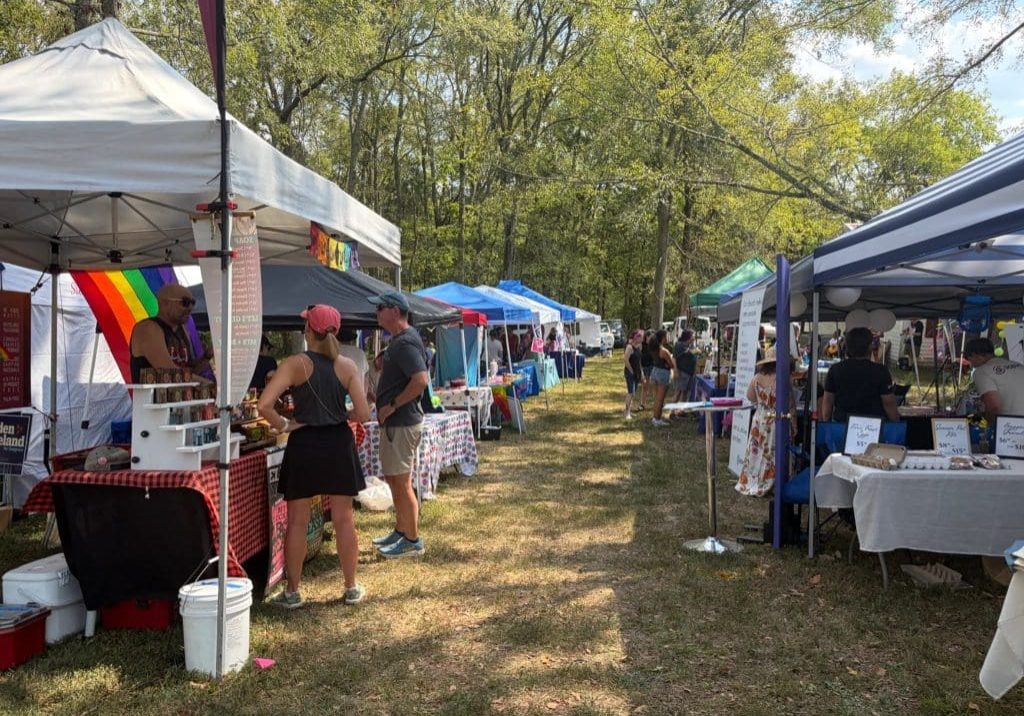
After losing its rural pride celebration, hundreds of people attended the second annual Affirming Sumner Pride celebration on a 24-acre farm dubbed “Fruity Farm” in Bethpage, Sumner County, Tennessee.

Signs of Life
In the Nantahala National Forest, a team of biologists spotted Indiana bats, an endangered species that hasn’t been seen in North Carolina for the last 11 years.

‘First Line of Defense’
During Hurricane Helene and its aftermath, rural fire departments and other first responder hubs played critical roles in keeping their communities safe, even without power and cut off from outside support for days or weeks after the storm. Two years later, plenty of work remains to ensure these hubs have the resources they need to operate day to day and be ready when emergencies or natural disasters strike.

The Rocky Road — and Bridge — to Recovery
Hurricane Helene is estimated to have damaged nearly 7,000 private roads and bridges in Western North Carolina. Two years later, many restoration projects are complete, but the journey hasn’t been easy — and isn’t over for others.
After 20 Years, Letcher County Prison Proposal Is Still Alive, Though Obstacles Remain
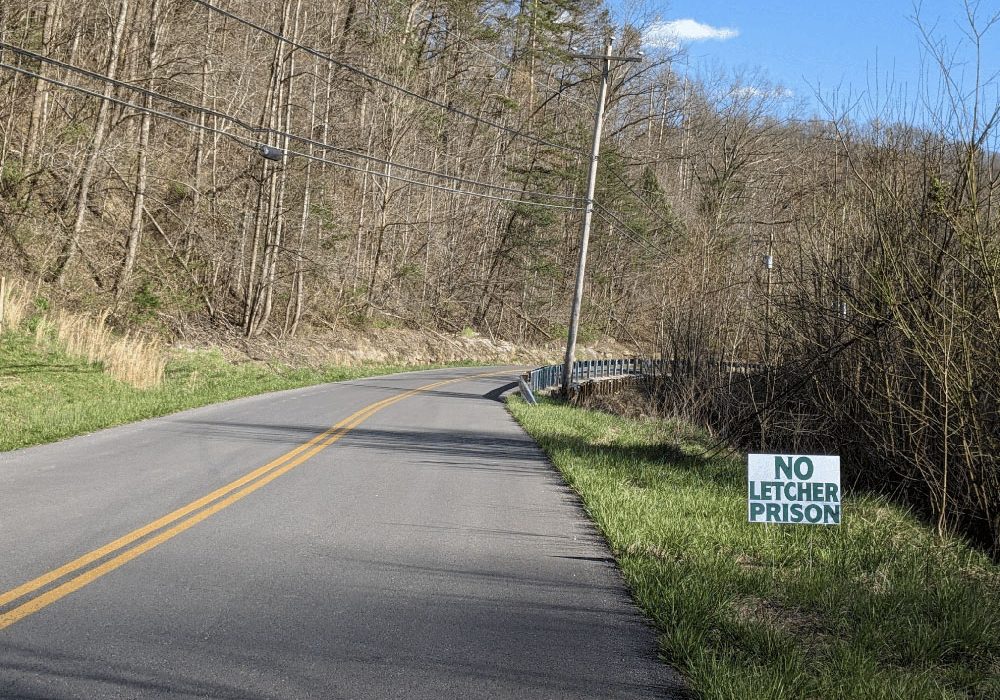
A $605 million proposal for a federal prison on a former strip mine site in Letcher County, Kentucky, championed by U.S. Rep. Hal Rogers, refuses to die, despite local opposition, a lack of support from the executive branch and numerous other obstacles.

Leave a comment
Your email address will not be published. Required fields are marked *
Leave a Comment