

Community Food Initiatives

Master’s student and Community Food Initiatives volunteer Ivan Orquera after his Donation Station shift at the Athens Farmers Market. CFI accepts community and vendor donations and purchases food from vendors with donated funds. This produce is distributed to groups like food pantries. Photo courtesy CFI
Community Food Initiatives’ mission is simple: provide healthy, locally sourced food for their community in and around Athens County in Southeast Ohio. Susie Huser is the community engagement director and donation station program director. She knows it is a long title, but she has a lot to get done.
According to Huser, Ohio is ranked sixth in the nation for highest food insecurity, and Athens County is the highest for food insecurity and poverty in Ohio. Huser notes that much of the food insecurity is located on the more rural periphery of the county, away from the college town in the center.
The organization’s garden programs include community and school gardens that encourage kids to dig around in the dirt. School curriculums educate children on how important and empowering gardening can be. The community gardens are open to anyone, and growers are encouraged to give a small percentage of their produce back to the community.
The Donation Station, which Huser directs, is set up at local farmers and produce markets. People can donate either money or food purchased at the market. This food is then distributed to food banks and to locations that provide free meals. The Discovery Kitchen is also tied to the Donation Station, and provides classes on cooking with fresh food. Since 2008, the Donation Station has distributed 338,536 pounds of produce from local farmers.
To help connect people in Southeast Ohio to places where they can find a meal or markets that accept SNAP, Community Food Initiatives partnered with the Food Justice Lab at West Virginia University to create a regional food access map. The map identifies sites that provide food and includes information on what kinds of assistance each site can provide, and whether or not they offer fresh produce.
The map also reveals places where people may be struggling to find fresh produce or food in general. By identifying these locations, the initiative can offer help and services to these areas, based on the community’s needs and requests.
“Sometimes I think our long-term goal is to put ourselves out of business,” Huser says. She insists on the importance of collaboration and connection between organizations throughout Appalachia and beyond, noting that food insecurity is not an isolated issue and tackling it requires systemic changes.
Visit communityfoodinitiatives.org.
Related Articles
Latest News
More Stories

Halloween Approaches, and Night School Is in Session
The House of Art in Bluefield, West Virginia, looks like a haunted tower, making it the perfect location for its sixth annual haunt event: Night School. The Night School will be open every Friday and Saturday night through Oct. 31.
‘The Most Perfect Act of Love’
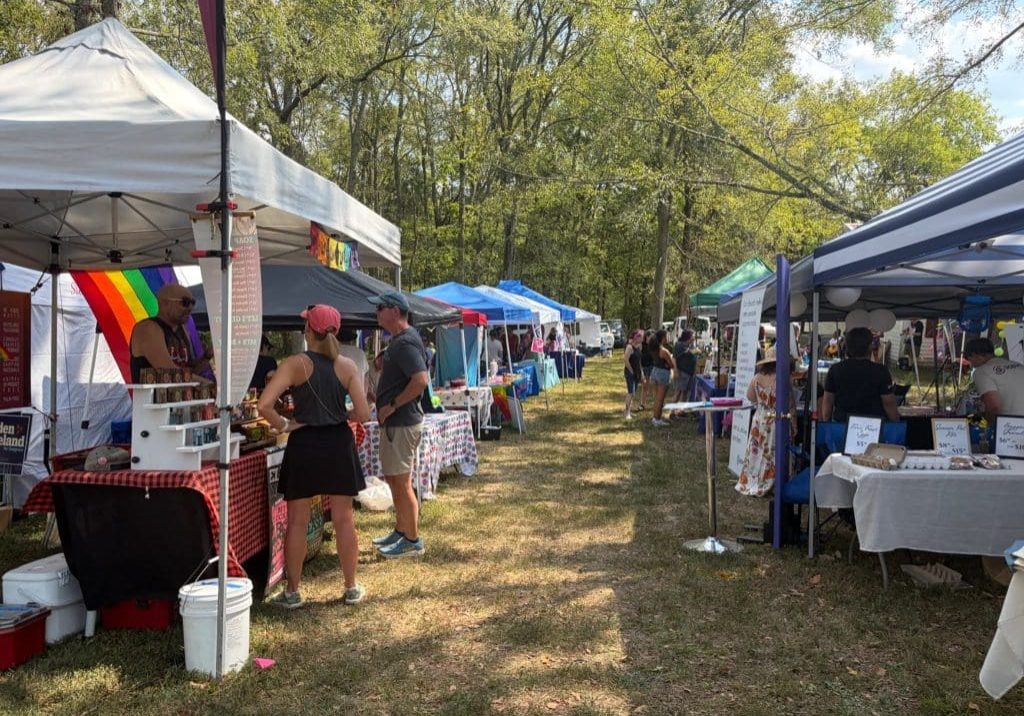
After losing its rural pride celebration, hundreds of people attended the second annual Affirming Sumner Pride celebration on a 24-acre farm dubbed “Fruity Farm” in Bethpage, Sumner County, Tennessee.

Signs of Life
In the Nantahala National Forest, a team of biologists spotted Indiana bats, an endangered species that hasn’t been seen in North Carolina for the last 11 years.

‘First Line of Defense’
During Hurricane Helene and its aftermath, rural fire departments and other first responder hubs played critical roles in keeping their communities safe, even without power and cut off from outside support for days or weeks after the storm. Two years later, plenty of work remains to ensure these hubs have the resources they need to operate day to day and be ready when emergencies or natural disasters strike.

The Rocky Road — and Bridge — to Recovery
Hurricane Helene is estimated to have damaged nearly 7,000 private roads and bridges in Western North Carolina. Two years later, many restoration projects are complete, but the journey hasn’t been easy — and isn’t over for others.
After 20 Years, Letcher County Prison Proposal Is Still Alive, Though Obstacles Remain
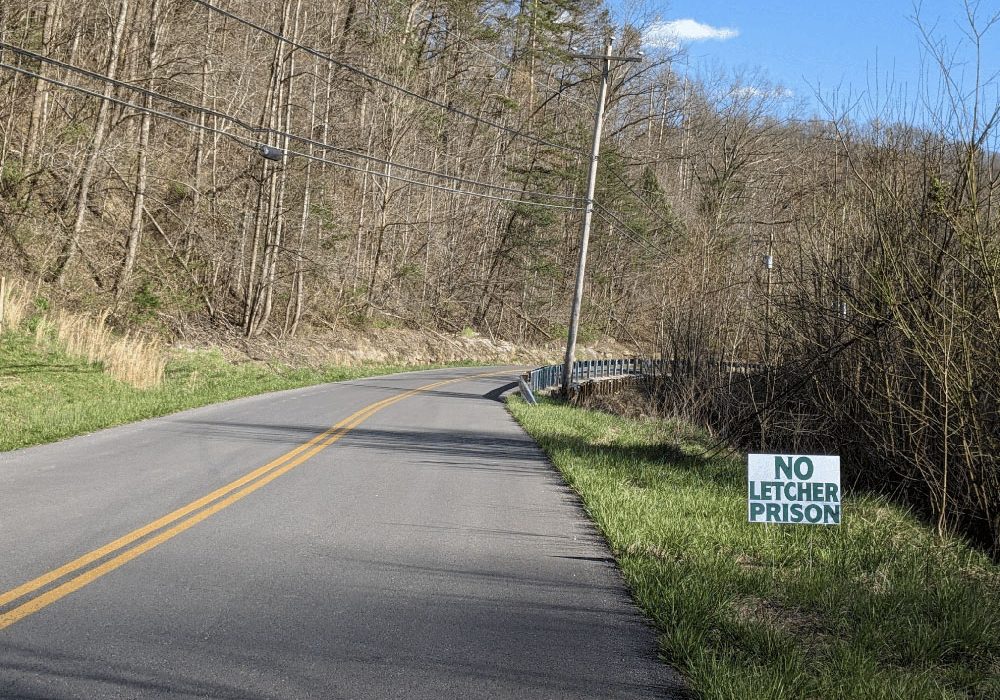
A $605 million proposal for a federal prison on a former strip mine site in Letcher County, Kentucky, championed by U.S. Rep. Hal Rogers, refuses to die, despite local opposition, a lack of support from the executive branch and numerous other obstacles.

Leave a comment
Your email address will not be published. Required fields are marked *
Leave a Comment