

In June, the U.S. Supreme Court upheld Virginia’s right to ban uranium mining.
Virginia Uranium, Inc., was the primary plaintiff in the case. Deposits owned by the company contain an estimated 119 million pounds of uranium, including Coles Hill in Pittsylvania County, Va., which is the country’s largest undeveloped uranium deposit.
Virginia Uranium’s attempt to override the state moratorium rested on the Atomic Energy Act, which gives the federal government jurisdiction over nuclear power generation. Supporters of uranium mining argued that the proposed mine could generate up to $4.8 billion for Virginia.
The National Academy of Science’s multi-year, peer-reviewed study on the effects of uranium mining found “limited data … to confirm the long-term effectiveness of uranium tailings management facilities,” even those which are “designed and constructed according to modern best practices.” Attorney Mark Sabath of the Southern Environmental Law Center told the Virginia Mercury that the process of uranium mining, which involves radioactive waste, “presents real risk to the communities.”
The decision to uphold Virginia’s 1982 moratorium on uranium mining is a win for supporters of states’ rights and the concerned citizens of Pittsylvania County. — By Kelsey Stratman
Related Articles
Latest News
More Stories
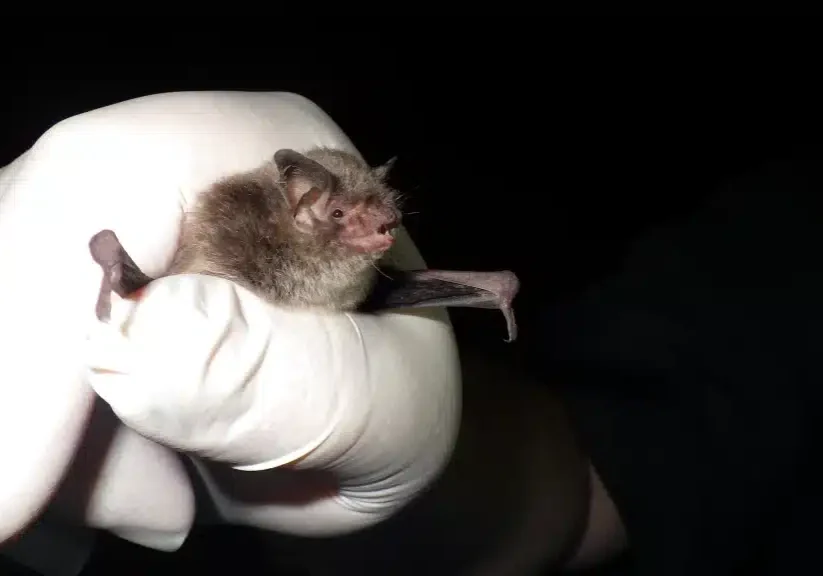
Signs of Life
In the Nantahala National Forest, a team of biologists spotted Indiana bats, an endangered species that hasn’t been seen in North Carolina for the last 11 years.

‘First Line of Defense’
During Hurricane Helene and its aftermath, rural fire departments and other first responder hubs played critical roles in keeping their communities safe, even without power and cut off from outside support for days or weeks after the storm. Two years later, plenty of work remains to ensure these hubs have the resources they need to operate day to day and be ready when emergencies or natural disasters strike.

The Rocky Road — and Bridge — to Recovery
Hurricane Helene is estimated to have damaged nearly 7,000 private roads and bridges in Western North Carolina. Two years later, many restoration projects are complete, but the journey hasn’t been easy — and isn’t over for others.
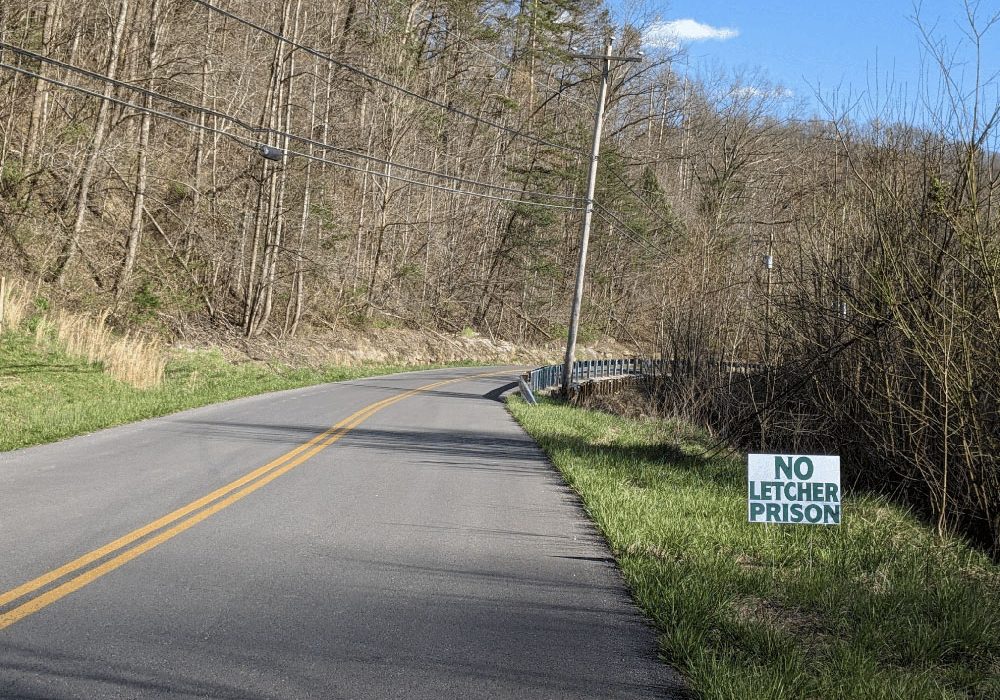
After 20 Years, Letcher County Prison Proposal Is Still Alive, Though Obstacles Remain
A $605 million proposal for a federal prison on a former strip mine site in Letcher County, Kentucky, championed by U.S. Rep. Hal Rogers, refuses to die, despite local opposition, a lack of support from the executive branch and numerous other obstacles.
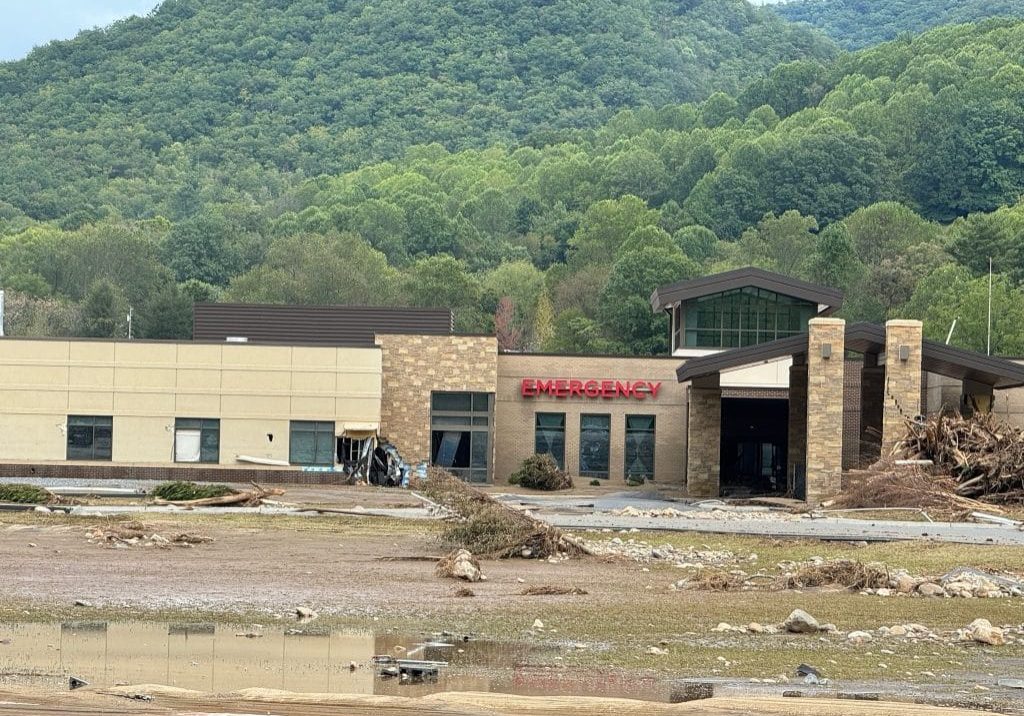
The Washout and Rebuild
For nearly two years, residents of Unicoi County, Tennessee, have had to make do without a hospital after Hurricane Helene destroyed the rural hospital. Ballad Health, which owns the hospital, broke ground on a new location — in another floodplain — in August 2026.

The Shenandoah Salamander
The Shenandoah salamander is a woodland salamander, which has adapted to life at higher elevations away from water. This sparkling rarity lives among the dry leaves, cracked logs, and stony hillocks on the highest peaks of Shenandoah National Park.

Leave a comment
Your email address will not be published. Required fields are marked *
Leave a Comment