

The Eastern hellbender, a large salamander found across Appalachia, was one of eight species that the U.S. Fish and Wildlife Service decided not to protect under the Endangered Species Act in April. The agency stated that the hellbender, with the exception of the Ozark subspecies in Missouri, is not endangered.
The law defines an endangered species as one that is “in danger of extinction throughout all or a significant portion of its range.” After analyzing the hellbender’s primary stressors, which include sedimentation, water quality degradation, habitat destruction and modification and diseases, the federal wildlife agency stated the species is not in danger of extinction anytime soon. Despite the hellbender’s current population decline, the agency expects population sizes to return to stable levels in 10 to 25 years.
The Center for Biological Diversity, a conservation organization, formally petitioned the Fish and Wildlife to protect the hellbender through the Endangered Species Act in 2010. The group raised concerns about the hellbender’s vulnerability, stating that 78 percent of known hellbender populations have disappeared or are in decline.
In a press statement, CBD Attorney Elise Bennett said the lack of protection “flagrantly ignores the reality of the hellbender’s dire situation and gives these imperiled animals a big shove towards extinction.”
The species’ decline is mainly due to chemical and sediment pollution in the water, deforestation and dams, according to the group. Tiny blood vessels in their skin allow the salamanders to breathe by absorbing oxygen from water. They thrive in cold, fast-moving streams, but water contamination disrupts these conditions.
In April, Pennsylvania legislators designated the Eastern hellbender the official state amphibian. Students from the Chesapeake Bay Foundation’s Student Leadership Council of Pennsylvania wrote the bill. — By Jamie Tews
Related Articles
Latest News
More Stories
Neighbors Help Neighbors
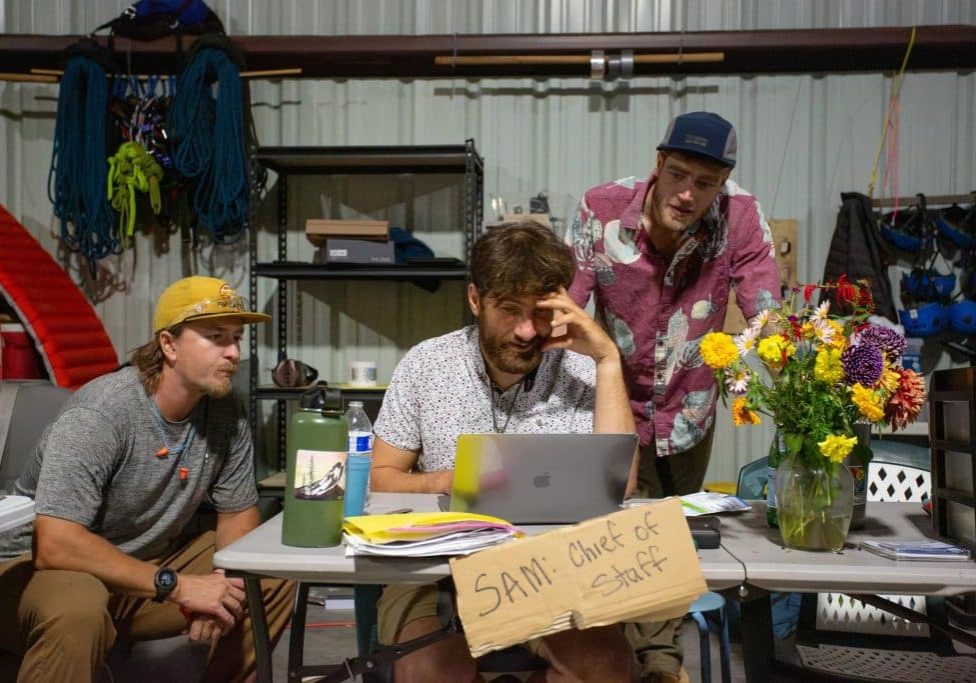
A photo essay that celebrates the volunteer spirit of the grassroots group Hurricane Helene WNC and speaks to the resourcefulness, collaboration and hard work embodied by thousands and thousands of volunteers, first responders and aid workers across the region after Hurricane Helene.

Halloween Approaches, and Night School Is in Session
The House of Art in Bluefield, West Virginia, looks like a haunted tower, making it the perfect location for its sixth annual haunt event: Night School. The Night School will be open every Friday and Saturday night through Oct. 31.
‘The Most Perfect Act of Love’
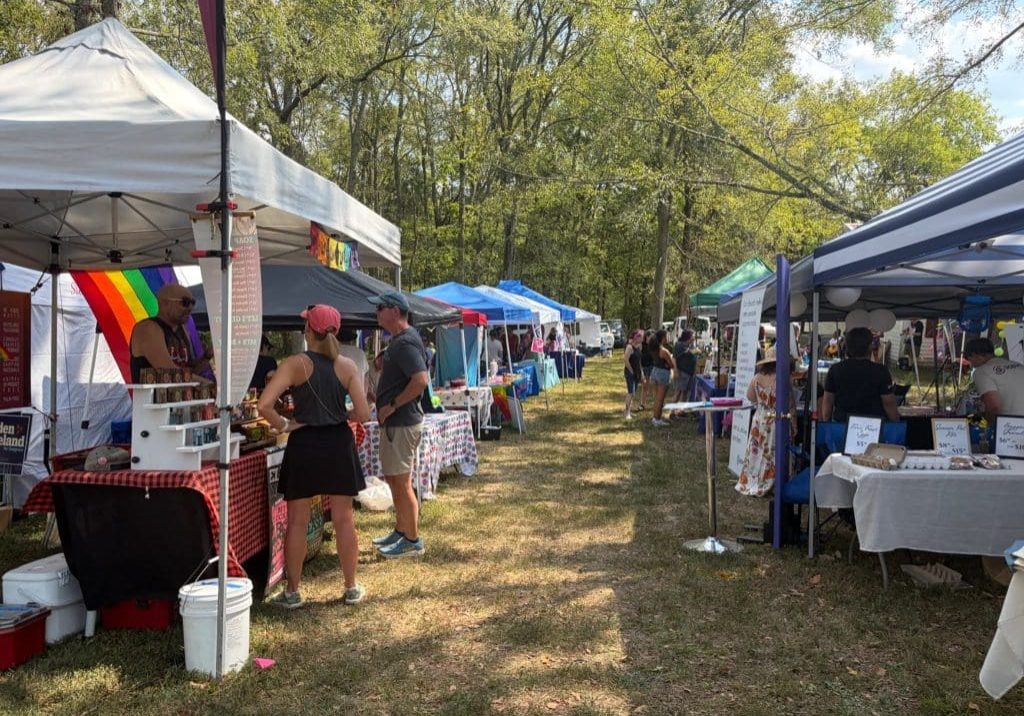
Hundreds of people attended the second annual Affirming Sumner Pride celebration on a 24-acre farm dubbed “Fruity Farm” in Bethpage, Sumner County, Tennessee.
Signs of Life: Endangered Bats Found in Nantahala for First Time in More Than a Decade
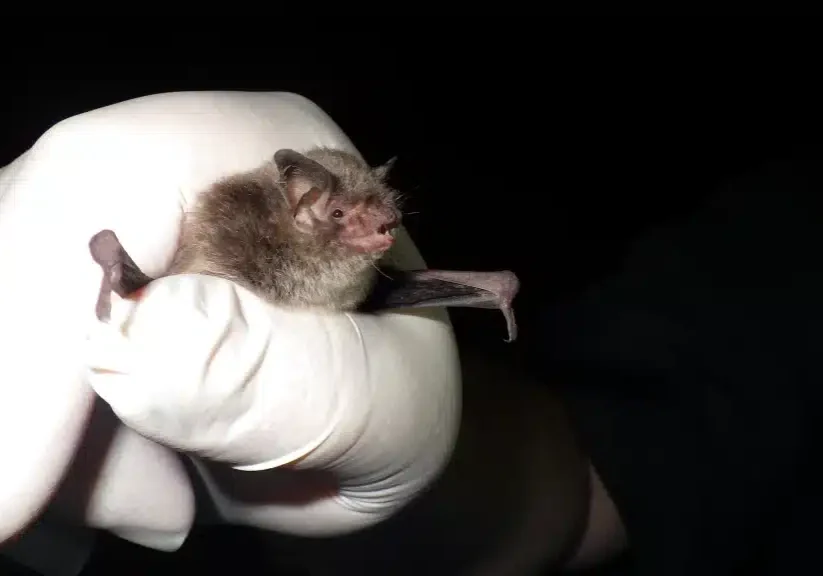
In the Nantahala National Forest, a team of biologists spotted Indiana bats, an endangered species that hasn’t been seen in North Carolina for the last 11 years.

‘First Line of Defense’
During Hurricane Helene and its aftermath, rural fire departments and other first responder hubs played critical roles in keeping their communities safe, even without power and cut off from outside support for days or weeks after the storm. Two years later, plenty of work remains to ensure these hubs have the resources they need to operate day to day and be ready when emergencies or natural disasters strike.

The Rocky Road — and Bridge — to Recovery
Hurricane Helene is estimated to have damaged nearly 7,000 private roads and bridges in Western North Carolina. Two years later, many restoration projects are complete, but the journey hasn’t been easy — and isn’t over for others.

Leave a comment
Your email address will not be published. Required fields are marked *
Leave a Comment