

On May 10, the Tennessee Valley Authority Board of Directors passed a highly debated change to their rate structure. TVA reduced wholesale energy rates by five cents per kilowatt-hour but added a new grid access charge.
Local power companies that purchase energy from TVA will individually decide whether to pass the rate structure on to their customers, which could mean a new fixed charge for consumers in addition to costs based on the amount of energy used.
The rate changes will go into effect in October, and according to a TVA presentation, TVA will not be required to go through another public process to increase the grid access charge in the future.
TVA received widespread criticism on the proposal from social justice and environmental groups and agencies, such as the Sierra Club, the NAACP, the Southern Alliance for Clean Energy and the State of Tennessee Department of Environment and Conservation, as well as from citizens, politicians and Appalachian Voices, the publisher of this newspaper.
A fixed charge can increase the percentage of customers’ income that goes to their energy bills by giving ratepayers less control over their bill. This will be detrimental to low-income families and small businesses, according to Rory McIlmoil, Energy Savings Program Manager at Appalachian Voices, who says that “many families in Tennessee already pay 20 percent or more of their annual income on energy costs.”
Fixed charges also decrease residents’ financial incentive to make energy-efficient home upgrades or install solar panels, as a smaller portion of their bills will be based on how much energy is consumed. The NAACP and the Tennessee Small Business Alliance, among others, have also argued that the rate change favors large commercial energy users over the average citizen. — By Sara Crouch
Related Articles
Latest News
More Stories
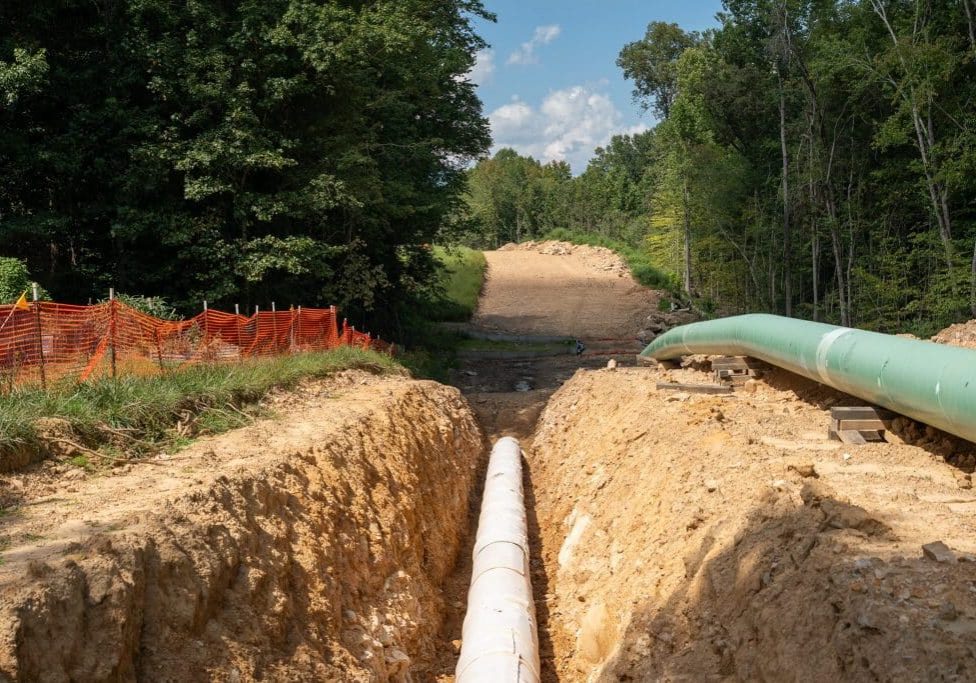
Ridgeline Pipeline Construction Impacts in Rural East Tennessee
Neighbors share concerns about noise, unpredictable construction schedules and other disruptions due to methane gas pipeline construction in East Tennessee.

Neighbors Help Neighbors
A photo essay that celebrates the volunteer spirit of the grassroots group Hurricane Helene WNC and speaks to the resourcefulness, collaboration and hard work embodied by thousands and thousands of volunteers, first responders and aid workers across the region after Hurricane Helene.

Halloween Approaches, and Night School Is in Session
The House of Art in Bluefield, West Virginia, looks like a haunted tower, making it the perfect location for its sixth annual haunt event: Night School. The Night School will be open every Friday and Saturday night through Oct. 31.

‘The Most Perfect Act of Love’
Hundreds of people attended the second annual Affirming Sumner Pride celebration on a 24-acre farm dubbed “Fruity Farm” in Bethpage, Sumner County, Tennessee.

Signs of Life: Endangered Bats Found in Nantahala for First Time in More Than a Decade
In the Nantahala National Forest, a team of biologists spotted Indiana bats, an endangered species that hasn’t been seen in North Carolina for the last 11 years.

‘First Line of Defense’
During Hurricane Helene and its aftermath, rural fire departments and other first responder hubs played critical roles in keeping their communities safe, even without power and cut off from outside support for days or weeks after the storm. Two years later, plenty of work remains to ensure these hubs have the resources they need to operate day to day and be ready when emergencies or natural disasters strike.

Leave a comment
Your email address will not be published. Required fields are marked *
Leave a Comment