

Coal Insider Nominated to Lead Mining Agency
In late October, the White House nominated J. Steven Gardner, an engineer and coal industry consultant, to serve as director of the Office of Surface Mining Reclamation and Enforcement.
A bureau within the U.S. Department of Interior, OSMRE is charged with protecting people and the environment from the adverse effects of surface coal mining. In particular, the federal agency oversees state mining agencies and administers cleanup of mines abandoned prior to 1977.
Gardner has worked in the coal industry for more than 40 years and currently serves as president and CEO of ECSI, LLC, an engineering firm based in Lexington, Ky. Gardner has been an outspoken critic of what he called the Obama administration’s “war on coal.” He was particularly opposed to the OSMRE’s Stream Protection Rule, which was finalized in 2016 and struck down by the Trump administration in early 2017. Gardner’s firm was among the subcontractors that produced draft research for the agency on the possible economic impacts of the rule. His firm’s findings were the subject of a public dispute with OSMRE staff, and the agency did not renew his contract.
Gardner’s nomination comes as the coal industry is struggling, particularly in Appalachia. Across the region, a range of stakeholders including local governments, entrepreneurs and advocacy organizations see reclamation of former mines as a way to strengthen the economy.
“For better or worse, the OSMRE will play a critical role in shaping Central Appalachia’s economic future,” read a statement from Erin Savage, Central Appalachian program manager for Appalachian Voices, the publisher of this newspaper. “Mine reclamation, reauthorization of the Abandoned Mine Land Fund, bonding reform and the strict enforcement of environmental laws are crucial tasks in the coming years.”
In a Department of Interior press statement, Kentucky Senators Mitch McConnell and Rand Paul, National Mining Association CEO Hal Quinn and Interior Secretary Ryan Zinke applauded Gardner’s nomination.
“Steve is highly regarded in the mining industry for his extensive experience and insight,” Zinke said in a press statement. “Steve will help [the Interior Dept.] take the proper steps forward to ensure American Energy dominance is achieved, while also being a responsible steward of American lands.”
In August, the Department of Interior halted a National Academy of Sciences review of studies connecting mountaintop removal coal mining to negative impacts on human health (Read our Front Porch Blog post on the NAS study here). Gardner’s nomination was roundly criticized by environmental groups, including Appalachian Voices.
“How can someone with his focus on defending the industry at all costs be the right choice for the federal agency in charge of overseeing that industry?” asked Davie Ransdell, a member of the progressive grassroots organization Kentuckians For The Commonwealth and a former supervisor at the Kentucky Division of Mine Permits.
“He is not the director Appalachian communities need to protect and advance their future,” Savage stated.
Related Articles
Latest News
More Stories
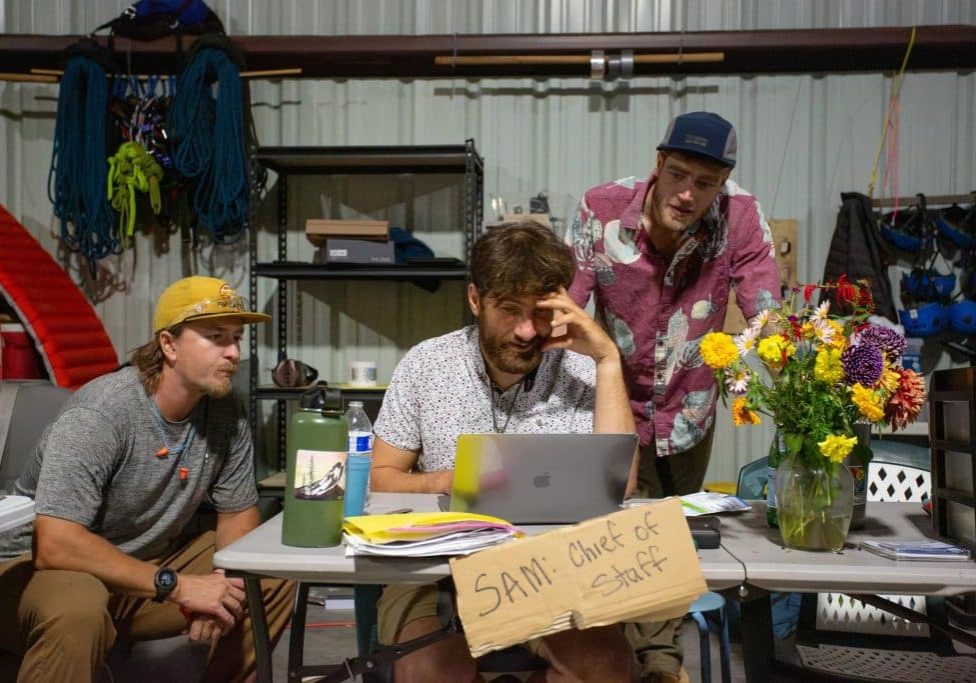
Neighbors Help Neighbors
A photo essay that celebrates the volunteer spirit of the grassroots group Hurricane Helene WNC and speaks to the resourcefulness, collaboration and hard work embodied by thousands and thousands of volunteers, first responders and aid workers across the region after Hurricane Helene.

Halloween Approaches, and Night School Is in Session
The House of Art in Bluefield, West Virginia, looks like a haunted tower, making it the perfect location for its sixth annual haunt event: Night School. The Night School will be open every Friday and Saturday night through Oct. 31.
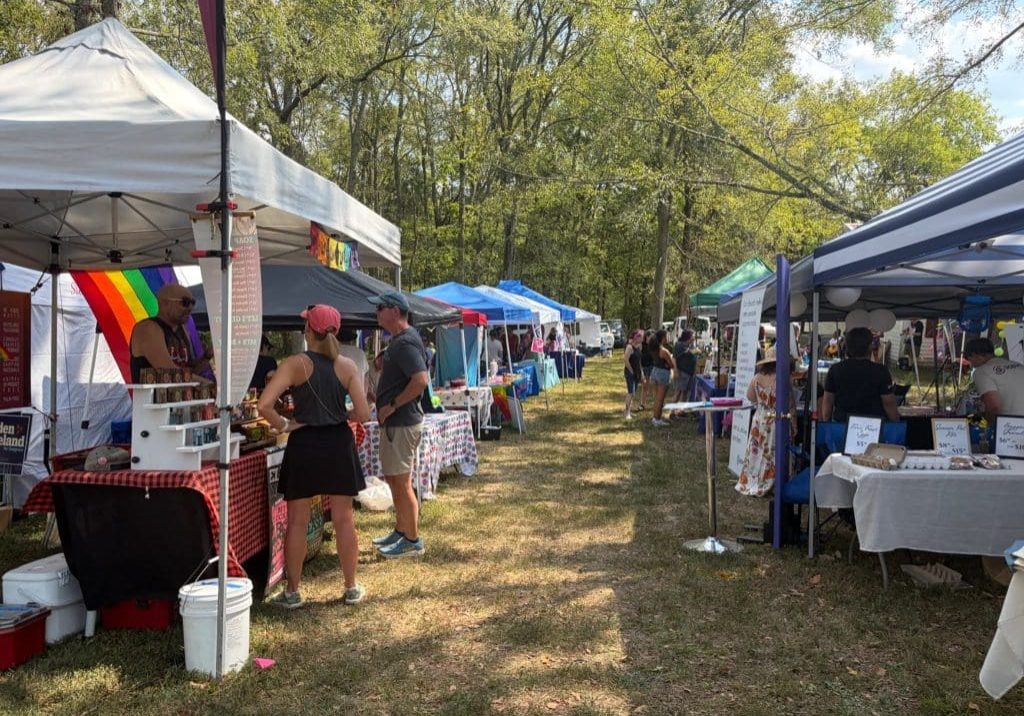
‘The Most Perfect Act of Love’
Hundreds of people attended the second annual Affirming Sumner Pride celebration on a 24-acre farm dubbed “Fruity Farm” in Bethpage, Sumner County, Tennessee.
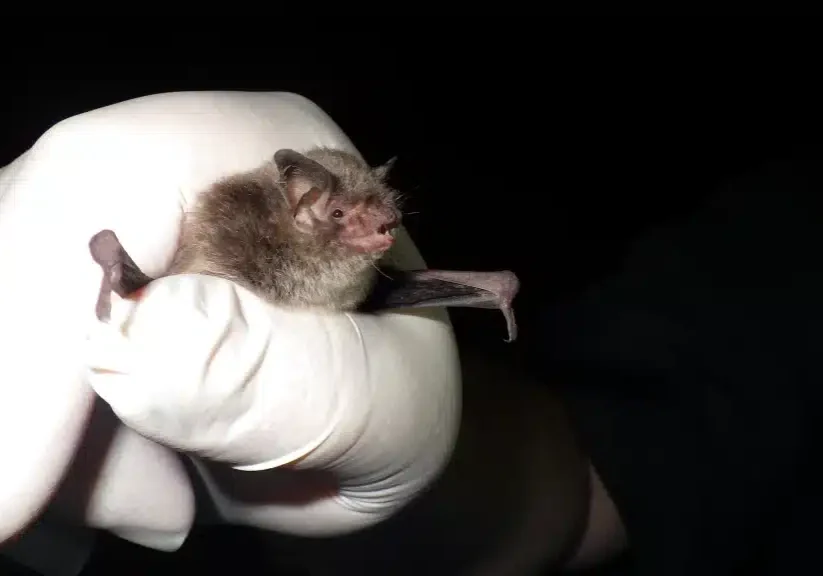
Signs of Life: Endangered Bats Found in Nantahala for First Time in More Than a Decade
In the Nantahala National Forest, a team of biologists spotted Indiana bats, an endangered species that hasn’t been seen in North Carolina for the last 11 years.

‘First Line of Defense’
During Hurricane Helene and its aftermath, rural fire departments and other first responder hubs played critical roles in keeping their communities safe, even without power and cut off from outside support for days or weeks after the storm. Two years later, plenty of work remains to ensure these hubs have the resources they need to operate day to day and be ready when emergencies or natural disasters strike.

The Rocky Road — and Bridge — to Recovery
Hurricane Helene is estimated to have damaged nearly 7,000 private roads and bridges in Western North Carolina. Two years later, many restoration projects are complete, but the journey hasn’t been easy — and isn’t over for others.

Leave a comment
Your email address will not be published. Required fields are marked *
Leave a Comment