

DuPont to Pay $671 Million in Chemical Leak Settlement
DuPont and its spin-off The Chemours Company agreed in February to pay $671 million to settle thousands of lawsuits regarding the leak of a toxic chemical used to make Teflon from their plant in Parkersburg, W.Va.
Around 3,550 personal injury claims were filed beginning in 2001 after the leak of perfluorooctanoic acid, also called PFOA or C-8, allegedly contaminated the Ohio River and local water supplies. A panel of scientists convened by DuPont determined that the chemical was linked to six diseases: kidney and testicular cancer, ulcerative colitis, thyroid disease, pregnancy-induced hypertension and high cholesterol.
Both DuPont and Chemours denied any wrongdoing, saying in a statement that DuPont had not used C-8 at the plant in over a decade. The class-action lawsuit included citizens in the Parkersburg area and surrounding water districts affected by the leak. — By Adrienne Fouts
Trout Delivered to Gatlinburg After Wildfires
In early March, the Tennessee Wildlife Resource Agency stocked streams in the Gatlinburg and Pigeon Forge area with roughly 3,000 trout from a Middle Tennessee hatchery.
During the devastating fall 2016 wildfires in East Tennessee, about 30,000 fish were killed at Gatlinburg’s fish hatchery and trout raceways, where fingerling fish are raised until they can be placed in nearby streams. — By Molly Moore
Help Wanted to Find Spotted Skunk
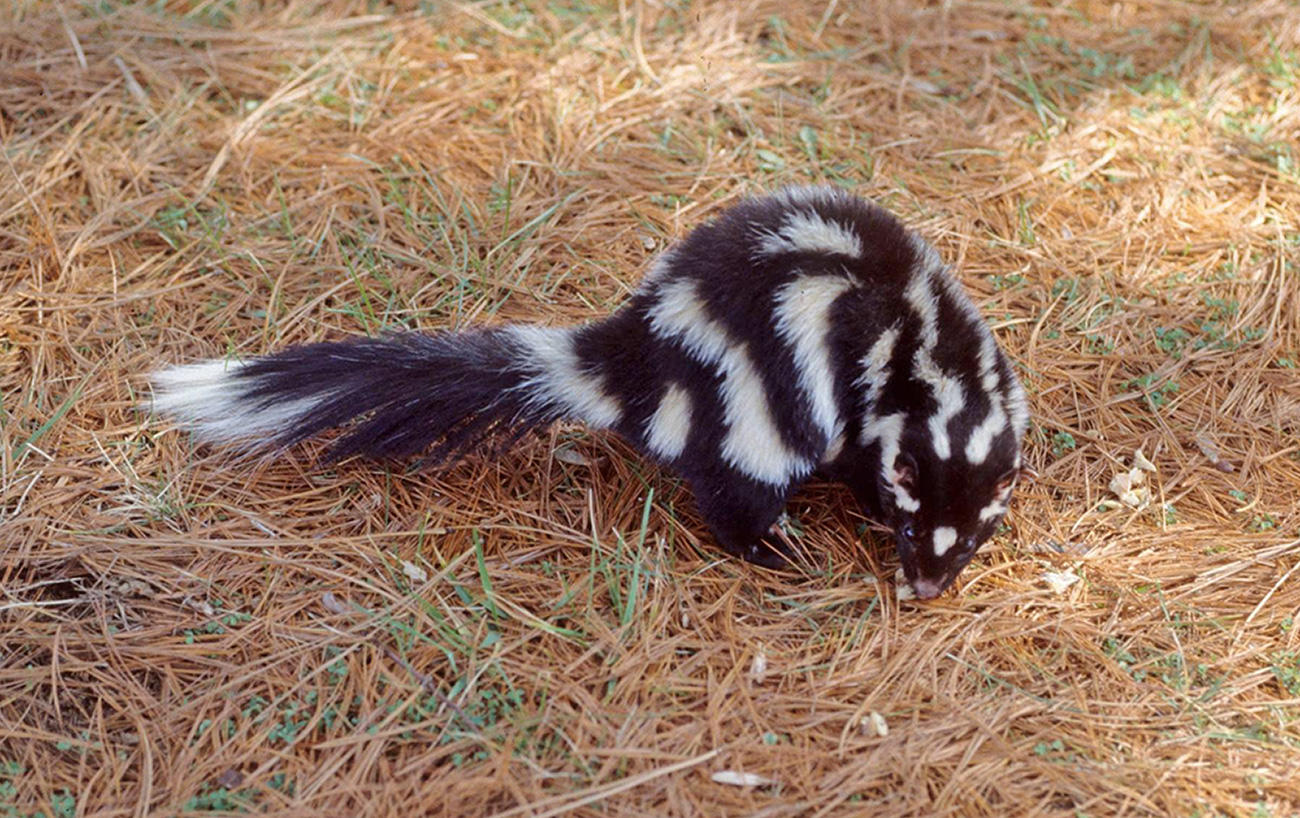
Courtesy of KY Dept. of Fish and Wildlife Resources
The Kentucky Department of Fish and Wildlife Resources is asking community members to help document a rare species of skunk in eastern Kentucky.
The “spotted skunk” is a protected species with a distinctive fur pattern, not to be confused with the common striped skunk. The department is asking the public to share photos and locations of spotted skunk sightings on the agency’s Facebook page. According to the department’s social media post, they have few documented observations and need more. — By Adrienne Fouts
Related Articles
Latest News
More Stories

Signs of Life
In the Nantahala National Forest, a team of biologists spotted Indiana bats, an endangered species that hasn’t been seen in North Carolina for the last 11 years.

‘First Line of Defense’
During Hurricane Helene and its aftermath, rural fire departments and other first responder hubs played critical roles in keeping their communities safe, even without power and cut off from outside support for days or weeks after the storm. Two years later, plenty of work remains to ensure these hubs have the resources they need to operate day to day and be ready when emergencies or natural disasters strike.

The Rocky Road — and Bridge — to Recovery
Hurricane Helene is estimated to have damaged nearly 7,000 private roads and bridges in Western North Carolina. Two years later, many restoration projects are complete, but the journey hasn’t been easy — and isn’t over for others.
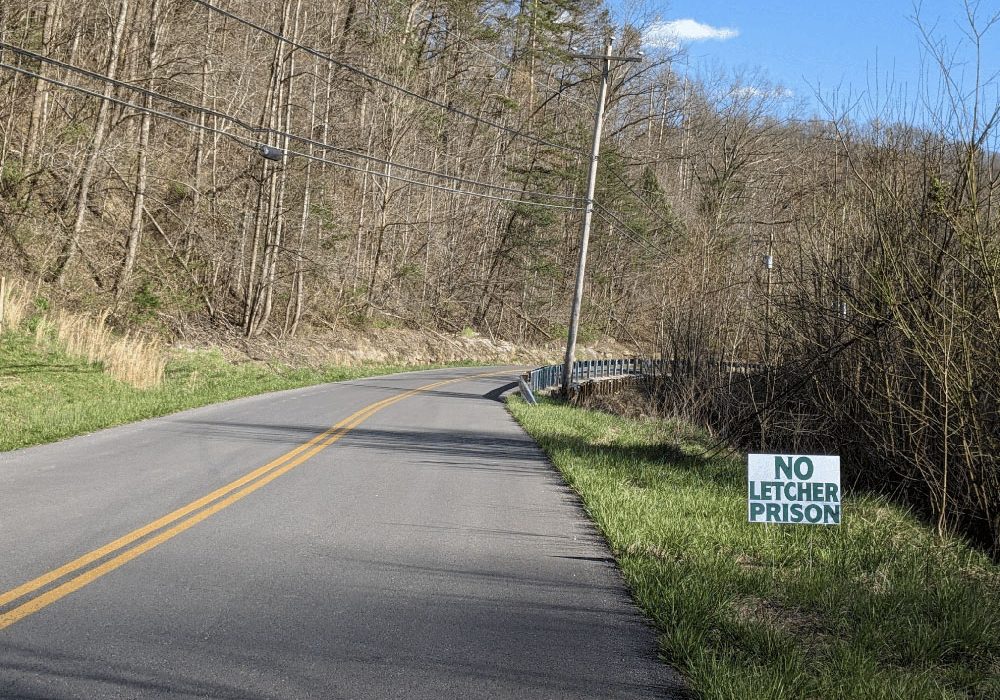
After 20 Years, Letcher County Prison Proposal Is Still Alive, Though Obstacles Remain
A $605 million proposal for a federal prison on a former strip mine site in Letcher County, Kentucky, championed by U.S. Rep. Hal Rogers, refuses to die, despite local opposition, a lack of support from the executive branch and numerous other obstacles.
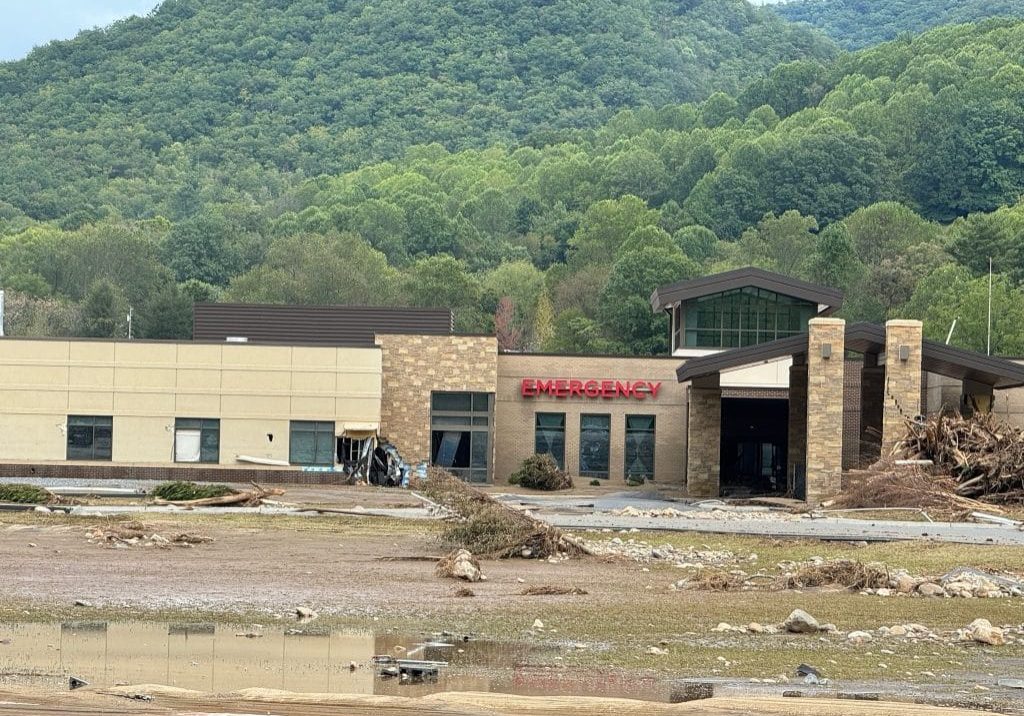
The Washout and Rebuild
For nearly two years, residents of Unicoi County, Tennessee, have had to make do without a hospital after Hurricane Helene destroyed the rural hospital. Ballad Health, which owns the hospital, broke ground on a new location — in another floodplain — in August 2026.
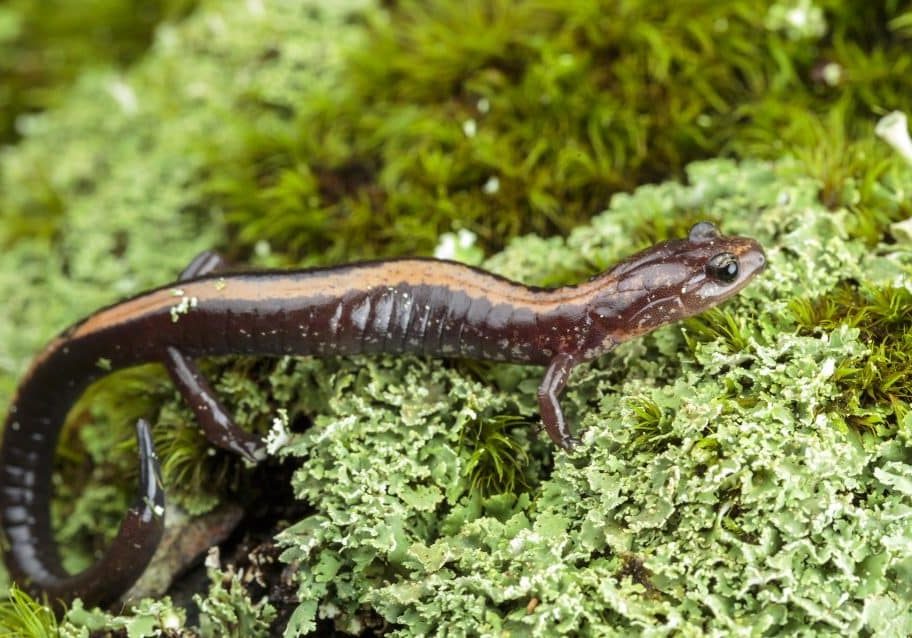
The Shenandoah Salamander
The Shenandoah salamander is a woodland salamander, which has adapted to life at higher elevations away from water. This sparkling rarity lives among the dry leaves, cracked logs, and stony hillocks on the highest peaks of Shenandoah National Park.

Leave a comment
Your email address will not be published. Required fields are marked *
Leave a Comment