

By KaLeigh Underwood
During October and November 2016, numerous wildfires burned across the Southeast United States. In total, more than 119,000 acres across Alabama, Georgia, South Carolina, North Carolina, Tennessee, Kentucky, Virginia and West Virginia were affected.
Gatlinburg, Tenn., and Sevier County were particularly hard hit, and the U.S. Department of Labor awarded a $5.8 million grant for recovery efforts. The Knoxville News Sentinel reports that 14 people died in the late November fire and more than 2,460 buildings in and around the historic town were damaged or destroyed.
According to News Channel 3 WREG, a National Dislocated Worker Grant is expected to help approximately 200 Tennessee workers affected by the fire. Commissioner Burns Phillips told WREG that the grant funding will help “put people back to work and accelerate the clean-up and recovery process.”
The city of Gatlinburg is offering information on their website to assist residents on how to safely re-enter homes and businesses damaged by fire, issuing permits for disaster demolition and continuously updating the Sevier County Structure Status map. They are encouraging donations and coordinating volunteer efforts through the website mountaintough.org.
The Chimney Tops No. 2 fire that raged near Gatlinburg burned more than 17,000 acres, nearly 11,000 acres of which were in the Great Smoky Mountains National Park, according to the News Sentinel. The park’s website is alerting visitors to trail closures due to the fire. After investigation, two juveniles were charged with arson.
In North Carolina, more than 72,000 acres burned in separate fires, according to online newspaper blueridgenow.com.
Many communities have joined together to support local firefighters. On Jan. 21, the Lake Lure and Chimney Rock Village communities held a fundraiser to thank the Hickory Nut Gorge Fire Department.
According to Carolina Mountain Land Conservancy’s website, fire is a natural process for forests. Clint Calhoun, environmental management officer for the Town of Lake Lure, told the organization that fires are a means of reducing debris and litter, and for recycling carbon and other elements back into the soil, which help with regeneration and increased biodiversity.
“I think there is a lot we can learn about fire ecology in the Hickory Nut Gorge that we may have always suspected, but can now be proven or disproved,” said Calhoun.
The Weed Action Coalition of the Hickory Nut Gorge is collaborating with the North Carolina Forest Service for a Citizen Scientist Program. The group will help track effects of the fire.
Related Articles
Latest News
More Stories
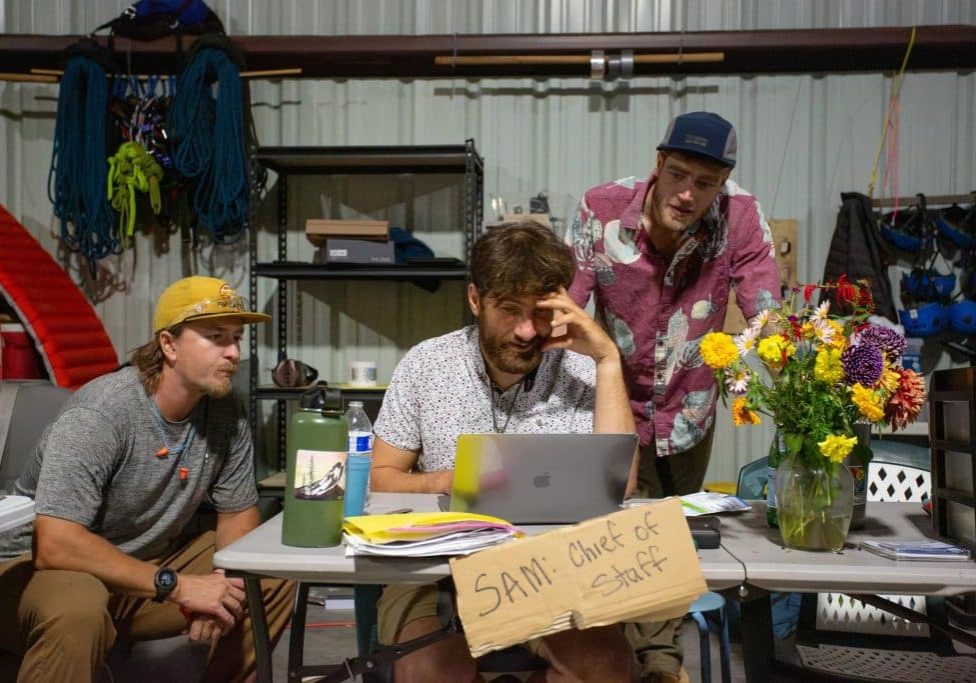
Neighbors Help Neighbors
A photo essay that celebrates the volunteer spirit of the grassroots group Hurricane Helene WNC and speaks to the resourcefulness, collaboration and hard work embodied by thousands and thousands of volunteers, first responders and aid workers across the region after Hurricane Helene.

Halloween Approaches, and Night School Is in Session
The House of Art in Bluefield, West Virginia, looks like a haunted tower, making it the perfect location for its sixth annual haunt event: Night School. The Night School will be open every Friday and Saturday night through Oct. 31.
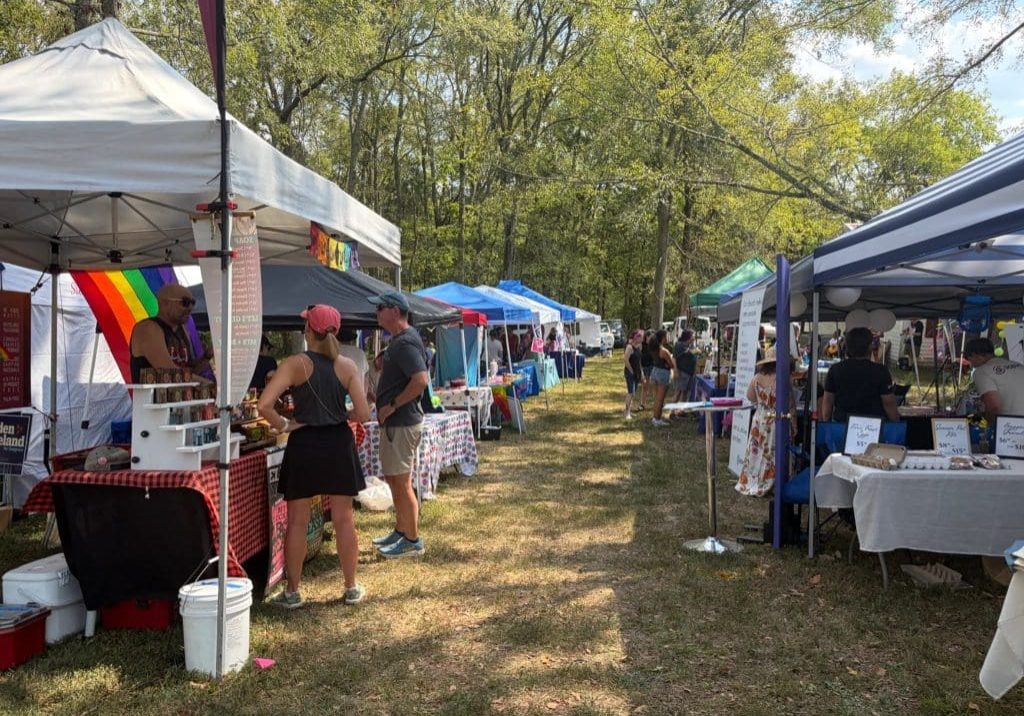
‘The Most Perfect Act of Love’
Hundreds of people attended the second annual Affirming Sumner Pride celebration on a 24-acre farm dubbed “Fruity Farm” in Bethpage, Sumner County, Tennessee.

Signs of Life: Endangered Bats Found in Nantahala for First Time in More Than a Decade
In the Nantahala National Forest, a team of biologists spotted Indiana bats, an endangered species that hasn’t been seen in North Carolina for the last 11 years.

‘First Line of Defense’
During Hurricane Helene and its aftermath, rural fire departments and other first responder hubs played critical roles in keeping their communities safe, even without power and cut off from outside support for days or weeks after the storm. Two years later, plenty of work remains to ensure these hubs have the resources they need to operate day to day and be ready when emergencies or natural disasters strike.

The Rocky Road — and Bridge — to Recovery
Hurricane Helene is estimated to have damaged nearly 7,000 private roads and bridges in Western North Carolina. Two years later, many restoration projects are complete, but the journey hasn’t been easy — and isn’t over for others.

Leave a comment
Your email address will not be published. Required fields are marked *
Leave a Comment