

A final comprehensive study by the U.S. Environmental Protection Agency, released in December 2016, concluded that hydraulic fracturing impacts drinking water under some circumstances. The EPA’s science adviser said the report requires more research and study.
According to a report from The Dominion Post on Jan. 1, West Virginia University has completed a study claiming the noise from fracking operations can have negative health effects. These noises can lead to anger and anxiety, sleep disturbance, high blood pressure, hypertension and heart disease.
The U.S. Fish and Wildlife Service is considering a permit application that would allow nine oil and gas companies to harm five endangered bat species. The permit would apply to Ohio, Pennsylvania and West Virginia for 50 years. — KaLeigh Underwood
Related Articles
Latest News
More Stories

Neighbors Help Neighbors
A photo essay that celebrates the volunteer spirit of the grassroots group Hurricane Helene WNC and speaks to the resourcefulness, collaboration and hard work embodied by thousands and thousands of volunteers, first responders and aid workers across the region after Hurricane Helene.

Halloween Approaches, and Night School Is in Session
The House of Art in Bluefield, West Virginia, looks like a haunted tower, making it the perfect location for its sixth annual haunt event: Night School. The Night School will be open every Friday and Saturday night through Oct. 31.

‘The Most Perfect Act of Love’
Hundreds of people attended the second annual Affirming Sumner Pride celebration on a 24-acre farm dubbed “Fruity Farm” in Bethpage, Sumner County, Tennessee.

Signs of Life: Endangered Bats Found in Nantahala for First Time in More Than a Decade
In the Nantahala National Forest, a team of biologists spotted Indiana bats, an endangered species that hasn’t been seen in North Carolina for the last 11 years.

‘First Line of Defense’
During Hurricane Helene and its aftermath, rural fire departments and other first responder hubs played critical roles in keeping their communities safe, even without power and cut off from outside support for days or weeks after the storm. Two years later, plenty of work remains to ensure these hubs have the resources they need to operate day to day and be ready when emergencies or natural disasters strike.
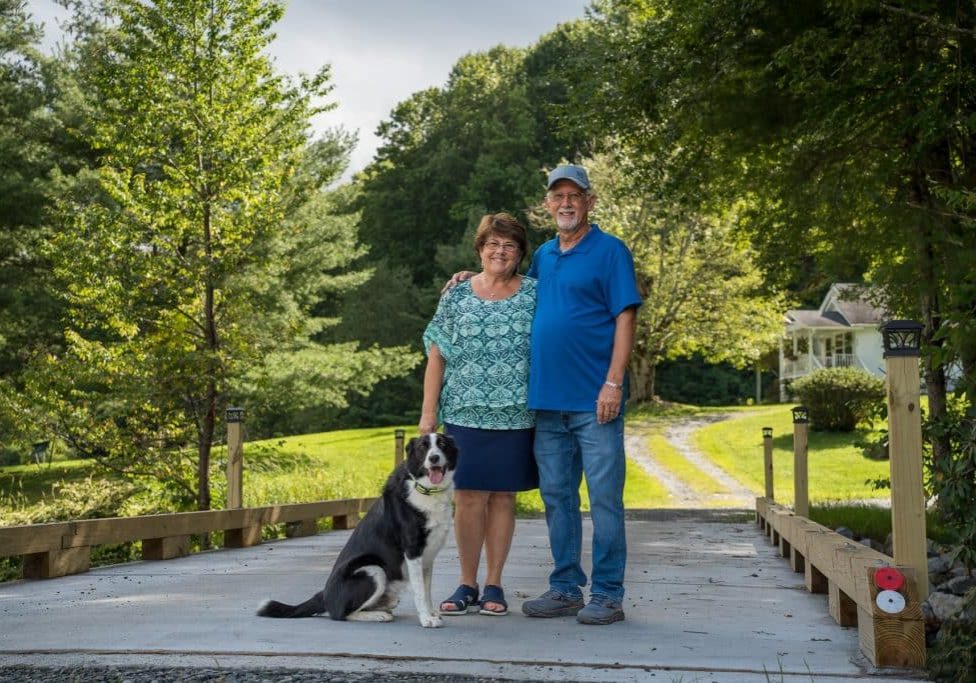
The Rocky Road — and Bridge — to Recovery
Hurricane Helene is estimated to have damaged nearly 7,000 private roads and bridges in Western North Carolina. Two years later, many restoration projects are complete, but the journey hasn’t been easy — and isn’t over for others.

Leave a comment
Your email address will not be published. Required fields are marked *
Leave a Comment