

By Brian Sewell
A decision by federal regulators to forgo a comprehensive review of large natural gas pipelines proposed in Appalachia has not diminished opponents’ doubts about the projects, including whether they are needed at all.
In August, the Federal Energy Regulatory Commission made clear it would not conduct a programmatic environmental impact statement to consider the cumulative impacts of the region’s proposed pipelines, particularly the Atlantic Coast Pipeline and the Mountain Valley Pipeline, despite months of requests from landowners and citizen groups.
Yet a new study published by Synapse Energy Economics does examine the need for the projects — and concluded that there is none. Based on existing capacity and projected electricity demand, minor pipeline upgrades would be sufficient to meet demand through at least 2030, the study found. In April, a report by the Institute for Energy Economics and Financial Analysis similarly concluded that the industry tends toward overbuilding, benefitting gas companies and electric utilities but putting ratepayers at risk.
A draft impact statement for the 600-mile Atlantic Coast Pipeline will arrive in December, with a final statement expected next June. The final statement for the 300-mile Mountain Valley Pipeline will come in March. Citizen groups argue that the draft review released in September fails to fully assess the public need, and likely impacts to water quality and the climate. The release of the draft on Sept. 16 initiated a 90-day public comment period.
“FERC once again has its blinders on to the full climate consequences of fracked gas,” says Anne Havemann of Chesapeake Climate Action Network, referring to widespread use of fracking to extract natural gas in Northern Appalachia, where the pipelines would begin. Havemann faults the review for acting as if the gas that would be transported by the pipeline “comes from nowhere.”
Opponents argue that both projects pose risks to the mountainous terrain, watersheds and ecosystems they would cross, including in the national forests that span Virginia’s border with West Virginia. The U.S. Forest Service detailed its concerns about the Atlantic Coast Pipeline route through the George Washington National Forest in a September letter to regulators, warning of threats to wild trout streams.
In order to protect the silt-free gravel stream beds where trout spawn, the forest plan for the George Washington National Forest restricts activities that could disrupt the streams between Oct. 1 and April 1. But the Dominion Pipeline Monitoring Coalition reports that the utility intends to request waivers for time-of-year restrictions and other important environmental requirements.
Dominion CEO Tom Farrell says the Atlantic Coast Pipeline’s scheduled environmental review means that “FERC believes that the route is essentially complete.” But opposition has significantly delayed construction and the project’s expected in-service date.
Read about Appalachian Voices’ involvement here.
Related Articles
Latest News
More Stories

Halloween Approaches, and Night School Is in Session
The House of Art in Bluefield, West Virginia, looks like a haunted tower, making it the perfect location for its sixth annual haunt event: Night School. The Night School will be open every Friday and Saturday night through Oct. 31.
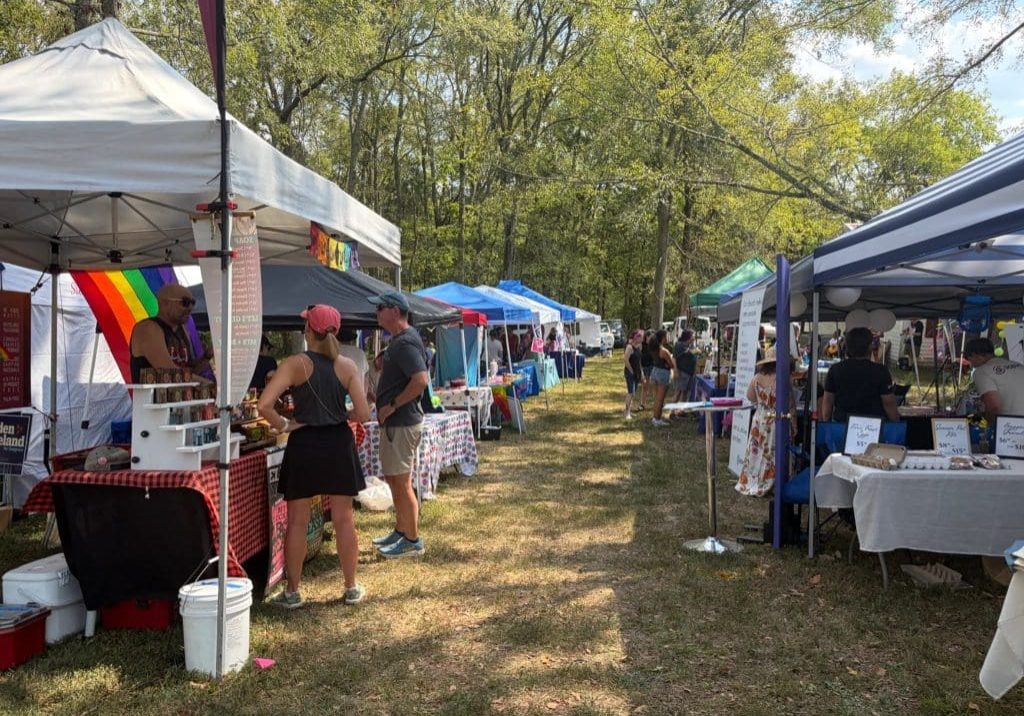
‘The Most Perfect Act of Love’
After losing its rural pride celebration, hundreds of people attended the second annual Affirming Sumner Pride celebration on a 24-acre farm dubbed “Fruity Farm” in Bethpage, Sumner County, Tennessee.

Signs of Life
In the Nantahala National Forest, a team of biologists spotted Indiana bats, an endangered species that hasn’t been seen in North Carolina for the last 11 years.
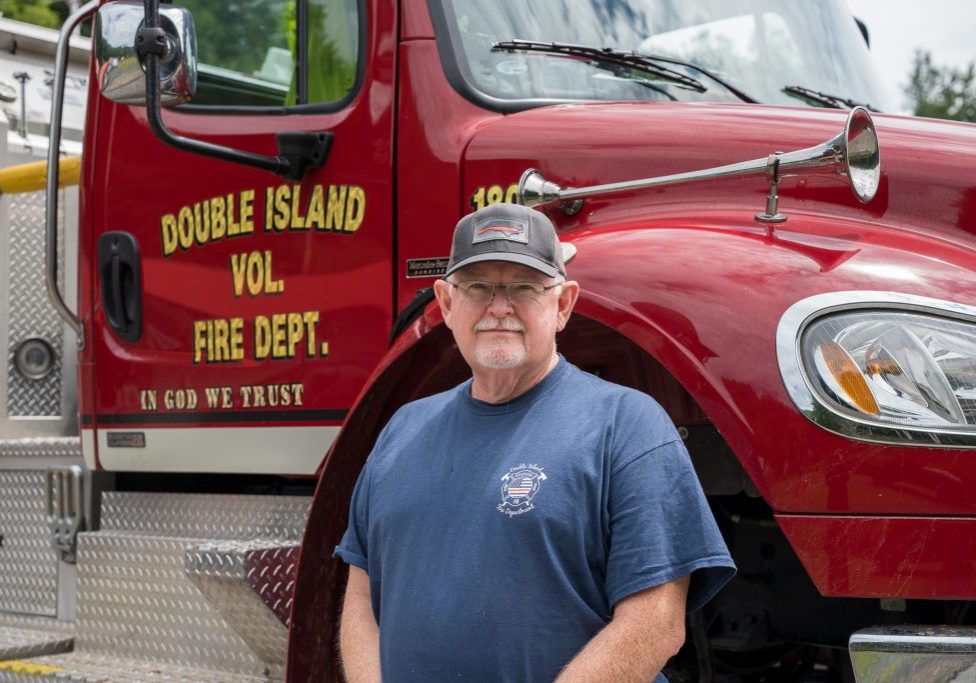
‘First Line of Defense’
During Hurricane Helene and its aftermath, rural fire departments and other first responder hubs played critical roles in keeping their communities safe, even without power and cut off from outside support for days or weeks after the storm. Two years later, plenty of work remains to ensure these hubs have the resources they need to operate day to day and be ready when emergencies or natural disasters strike.
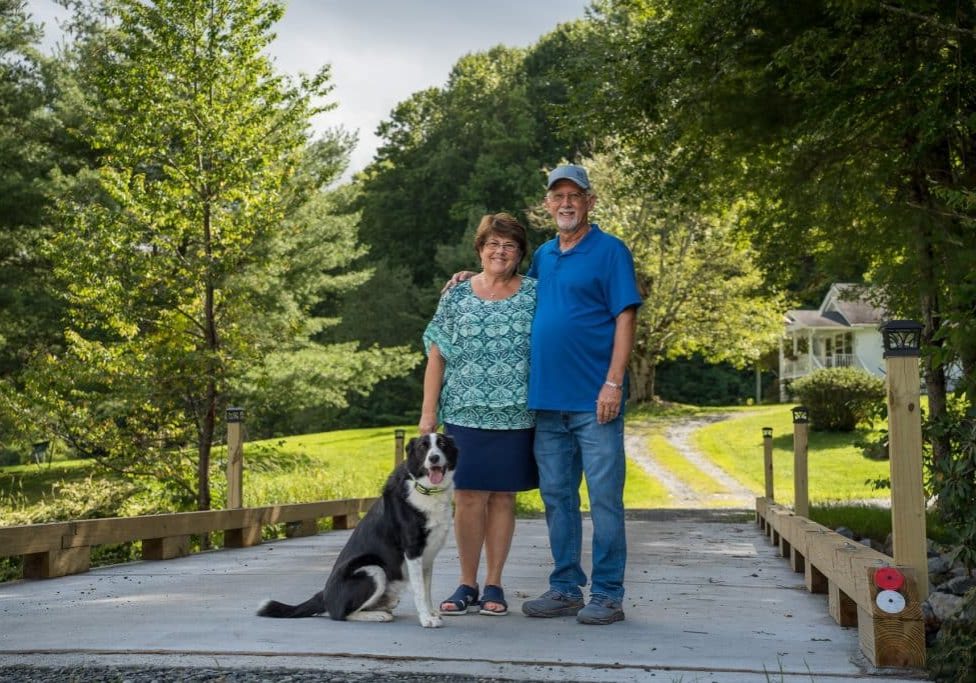
The Rocky Road — and Bridge — to Recovery
Hurricane Helene is estimated to have damaged nearly 7,000 private roads and bridges in Western North Carolina. Two years later, many restoration projects are complete, but the journey hasn’t been easy — and isn’t over for others.
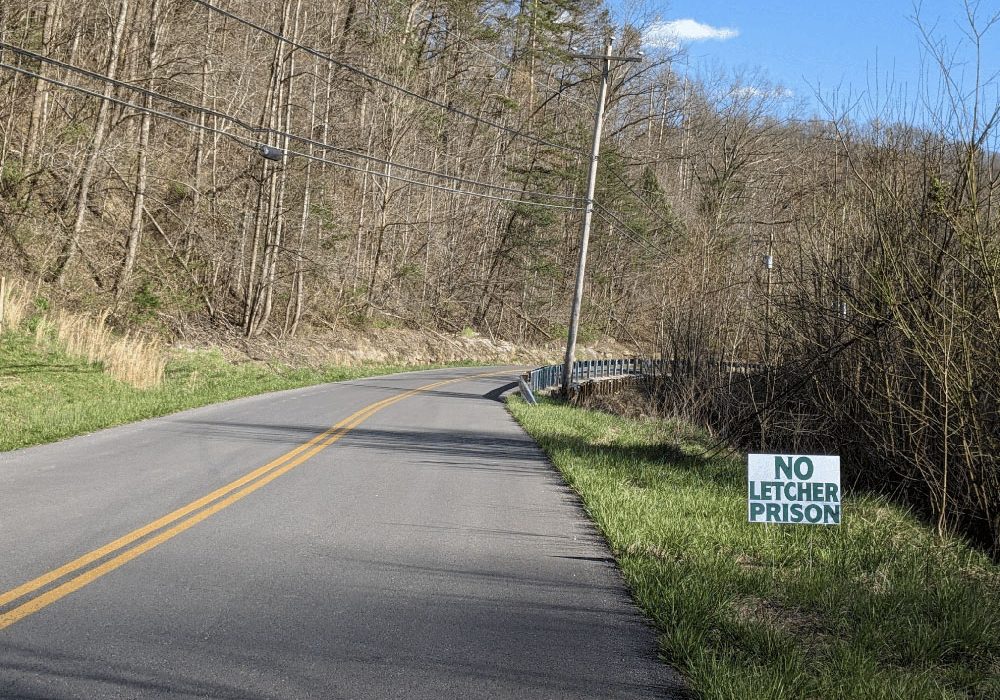
After 20 Years, Letcher County Prison Proposal Is Still Alive, Though Obstacles Remain
A $605 million proposal for a federal prison on a former strip mine site in Letcher County, Kentucky, championed by U.S. Rep. Hal Rogers, refuses to die, despite local opposition, a lack of support from the executive branch and numerous other obstacles.

Leave a comment
Your email address will not be published. Required fields are marked *
Leave a Comment