

Two mines proposed, one denied, another faces pollution lawsuit
By Eliza Laubach and Willie Dodson
Alpha Natural Resources, a coal company in the process of emerging from bankruptcy, has applied for two new mountaintop removal mine permits on Coal River Mountain in West Virginia. If permitted, the two mines would destroy 1,589 acres above the Rock Creek and Arnett communities.
Coal River Mountain Watch, a local advocacy organization, is petitioning the West Virginia Department of Environmental Protection to deny one of the permits due to the community’s concerns about pollution and the effect on the local economy, roads and ecology. The other permit is not yet advertised for comment, according to the group’s website.
In the two years since the WVDEP approved a mountaintop removal permit for Keystone Industries’ KD No. 2 surface mine, the agency has issued 40 enforcement actions on the mine. In March, the agency brought a lawsuit against the Florida-based company over a series of Clean Water Act violations at the controversial mine. The 413-acre mountaintop removal mine in southern Kanawha County, W.Va., was met with opposition by local residents and others concerned about the project’s impacts on nearby communities and on Kanawha State Forest, which borders the mine.
These actions were prompted by citizen oversight led by the Kanawha Forest Coalition, a grassroots watchdog group, which has conducted water monitoring at the site since shortly after the mine began operating. The company’s quarterly pollution reports support the claim that mine runoff violated the permit granted to Keystone Industries under the Clean Water Act.
A 15-year long permit battle over the Spruce No. 1 mine, a proposed 2,000-acre mountaintop removal site in Logan County, W.Va, saw decisive action in July. The U.S. Court of Appeals for the District of Columbia upheld the Environmental Protection Agency’s 2011 decision to block the mine’s permit due to the “unacceptable adverse effect” it would have on the environment.
Related Articles
Latest News
More Stories
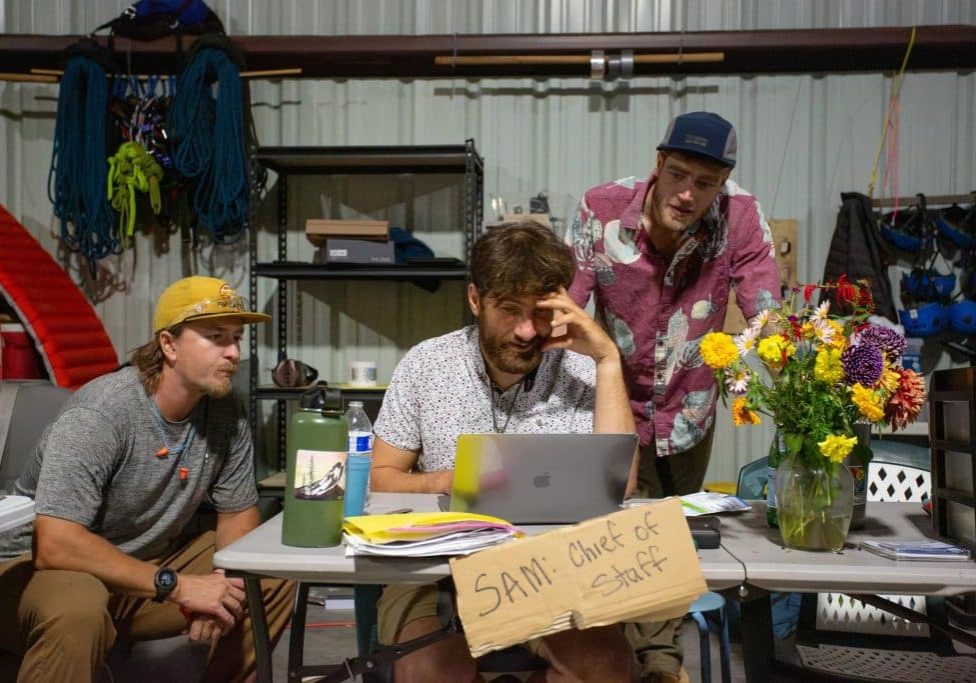
Neighbors Help Neighbors
A photo essay that celebrates the volunteer spirit of the grassroots group Hurricane Helene WNC and speaks to the resourcefulness, collaboration and hard work embodied by thousands and thousands of volunteers, first responders and aid workers across the region after Hurricane Helene.

Halloween Approaches, and Night School Is in Session
The House of Art in Bluefield, West Virginia, looks like a haunted tower, making it the perfect location for its sixth annual haunt event: Night School. The Night School will be open every Friday and Saturday night through Oct. 31.
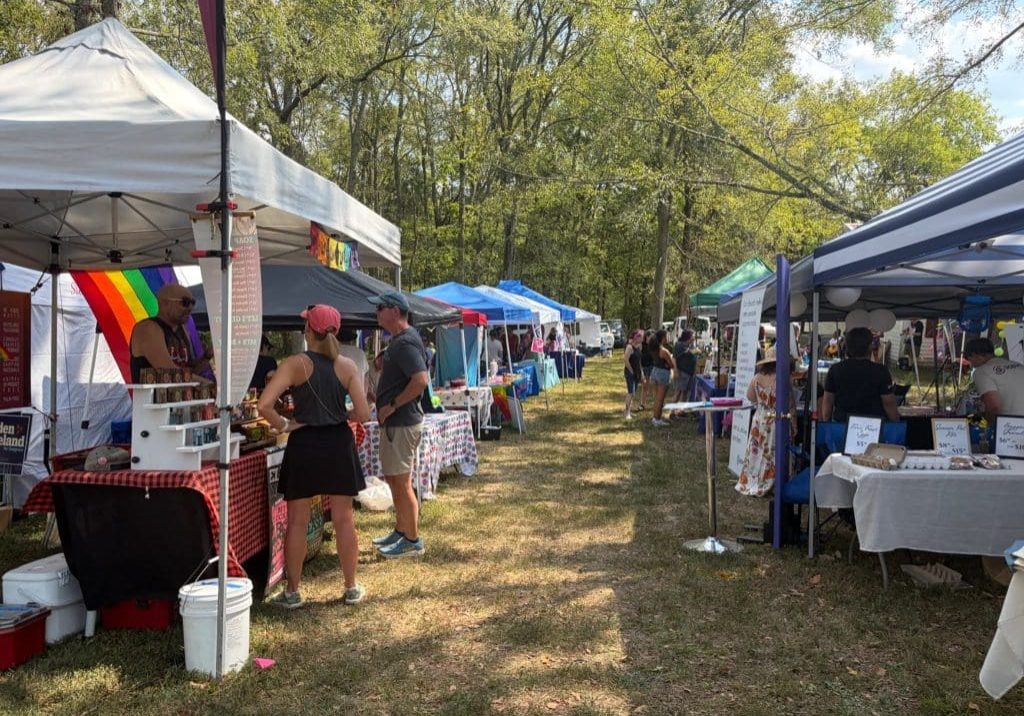
‘The Most Perfect Act of Love’
Hundreds of people attended the second annual Affirming Sumner Pride celebration on a 24-acre farm dubbed “Fruity Farm” in Bethpage, Sumner County, Tennessee.

Signs of Life: Endangered Bats Found in Nantahala for First Time in More Than a Decade
In the Nantahala National Forest, a team of biologists spotted Indiana bats, an endangered species that hasn’t been seen in North Carolina for the last 11 years.

‘First Line of Defense’
During Hurricane Helene and its aftermath, rural fire departments and other first responder hubs played critical roles in keeping their communities safe, even without power and cut off from outside support for days or weeks after the storm. Two years later, plenty of work remains to ensure these hubs have the resources they need to operate day to day and be ready when emergencies or natural disasters strike.

The Rocky Road — and Bridge — to Recovery
Hurricane Helene is estimated to have damaged nearly 7,000 private roads and bridges in Western North Carolina. Two years later, many restoration projects are complete, but the journey hasn’t been easy — and isn’t over for others.

Leave a comment
Your email address will not be published. Required fields are marked *
Leave a Comment