

By Savannah Clemmons
Scientists and researchers at Virginia Tech have begun to use computer-generated models that could help fight toxic PCB chemicals in the New River.
PCBs, or polychlorinated biphenyls, are industrial compounds that were banned in 1977 after scientists found them to be possible causes of several illnesses, including gastrointestinal disease and cancer. Humans come in contact with PCBs through the consumption of fish. Since 2001, the Virginia Department of Health has maintained several advisories against consuming certain fish caught from the New River.
In order to more aggressively confront PCBs, researchers are using computer-generated models to pinpoint the sources of contaminants in the river and to gauge the extent of the pollution. This mapping technology will allow researchers to better understand how toxic chemicals move and interact with ecosystems over time.
According to the Virginia Department of Environmental Quality, mapping PCBs in the New River is an important step in understanding how to stop the spread of pollution and obtain higher water quality.
Related Articles
Latest News
More Stories
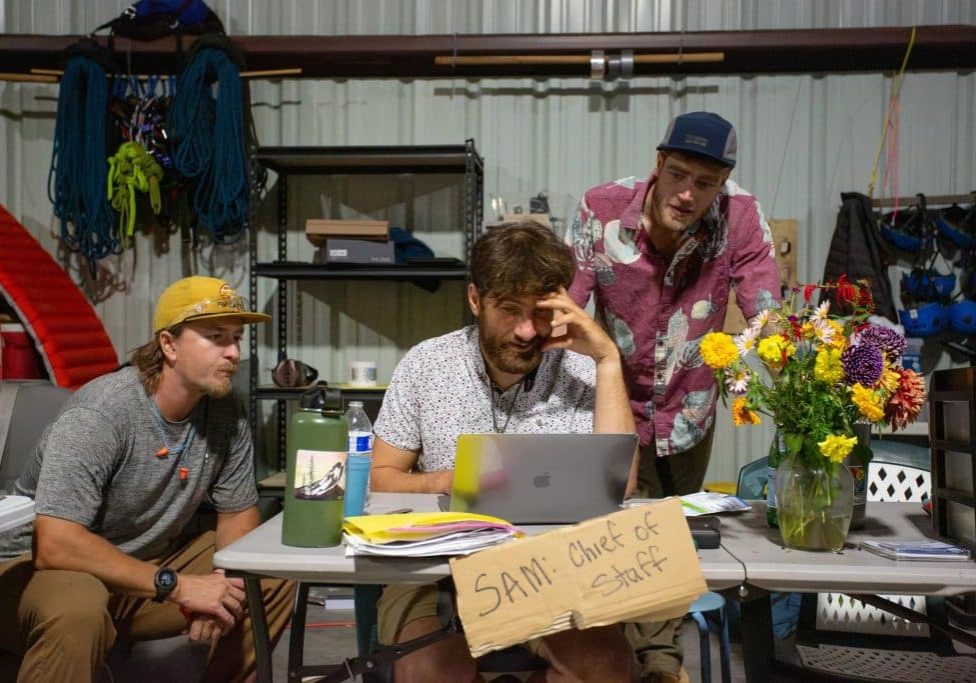
Neighbors Help Neighbors
A photo essay that celebrates the volunteer spirit of the grassroots group Hurricane Helene WNC and speaks to the resourcefulness, collaboration and hard work embodied by thousands and thousands of volunteers, first responders and aid workers across the region after Hurricane Helene.

Halloween Approaches, and Night School Is in Session
The House of Art in Bluefield, West Virginia, looks like a haunted tower, making it the perfect location for its sixth annual haunt event: Night School. The Night School will be open every Friday and Saturday night through Oct. 31.
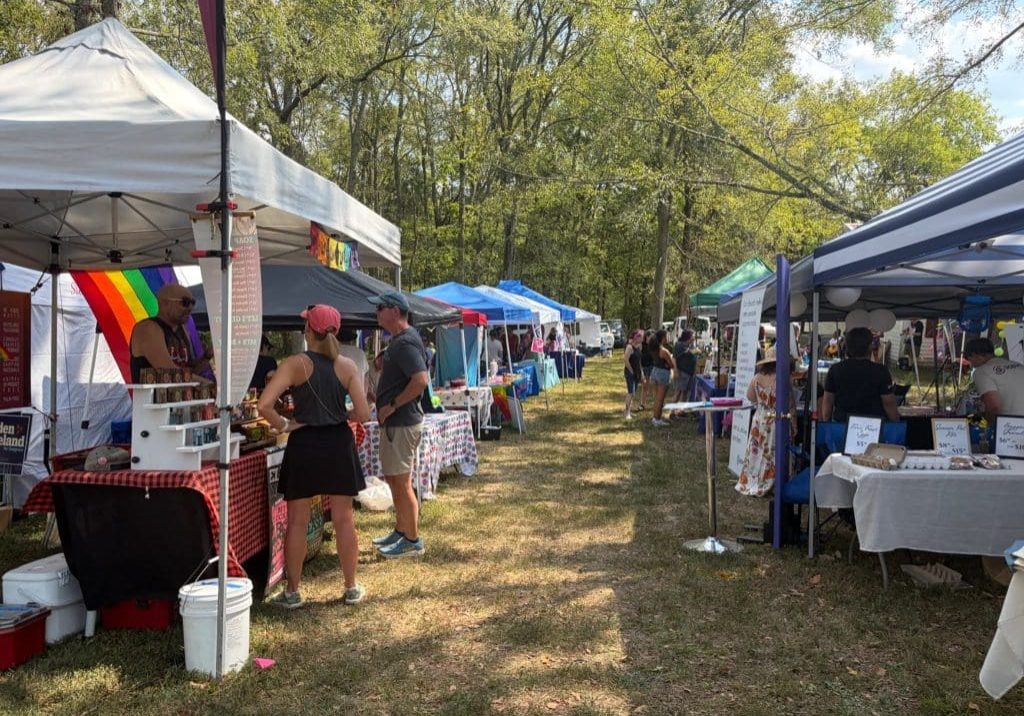
‘The Most Perfect Act of Love’
Hundreds of people attended the second annual Affirming Sumner Pride celebration on a 24-acre farm dubbed “Fruity Farm” in Bethpage, Sumner County, Tennessee.

Signs of Life: Endangered Bats Found in Nantahala for First Time in More Than a Decade
In the Nantahala National Forest, a team of biologists spotted Indiana bats, an endangered species that hasn’t been seen in North Carolina for the last 11 years.

‘First Line of Defense’
During Hurricane Helene and its aftermath, rural fire departments and other first responder hubs played critical roles in keeping their communities safe, even without power and cut off from outside support for days or weeks after the storm. Two years later, plenty of work remains to ensure these hubs have the resources they need to operate day to day and be ready when emergencies or natural disasters strike.

The Rocky Road — and Bridge — to Recovery
Hurricane Helene is estimated to have damaged nearly 7,000 private roads and bridges in Western North Carolina. Two years later, many restoration projects are complete, but the journey hasn’t been easy — and isn’t over for others.

Leave a comment
Your email address will not be published. Required fields are marked *
One response to “Computer Models Could Fight Toxins in the New River”
-

i have read that there is a toxic zinc site on the indian creek branch in Virginia leaking into the new river . can you tell me what the status is regarding the cleanup for that. thanks. hc

Leave a Comment