

Response to Spill Leads to Action Against Coal Polluter
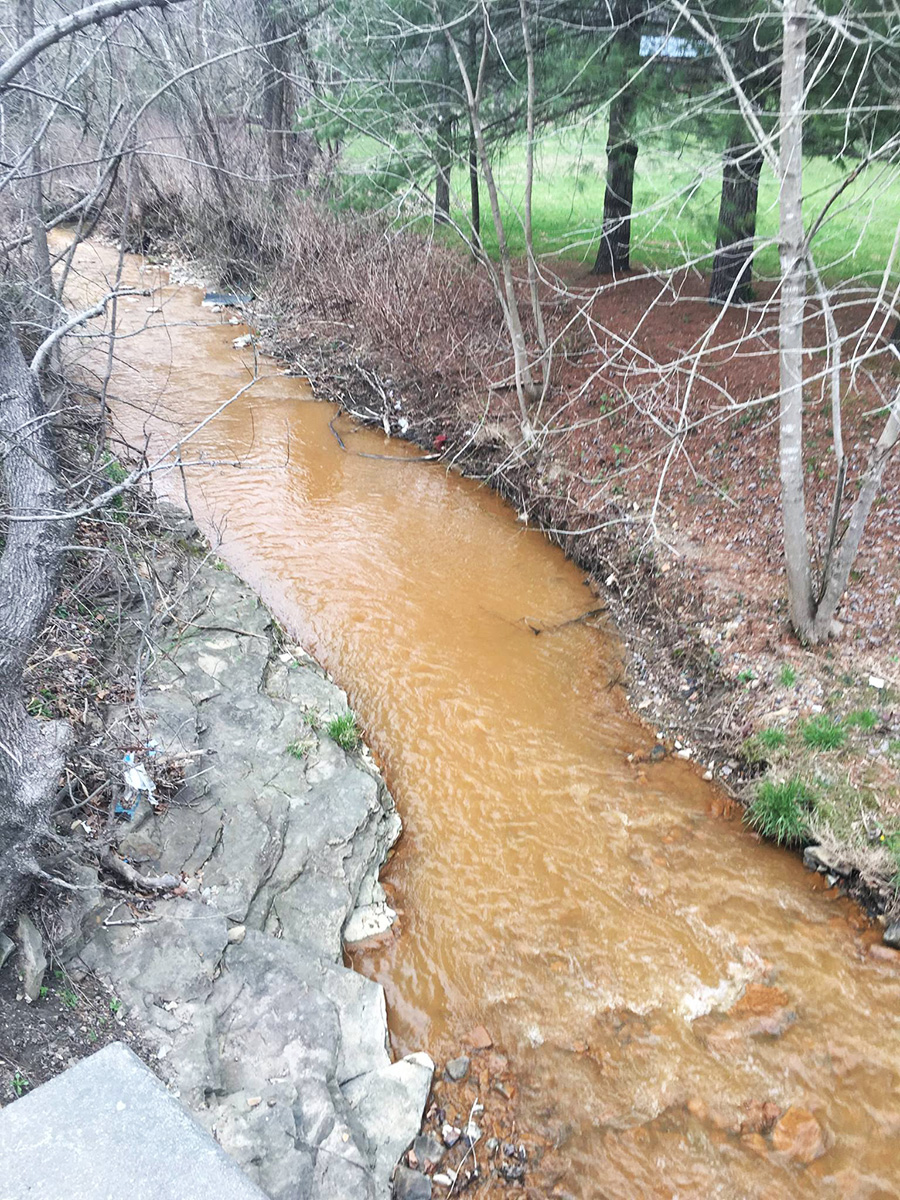
Acid mine drainage from a coal mine flooded into Pine Creek in eastern Kentucky, killing wildlife and raising concerns over drinking water safety. Photo by Tarence Ray
Pine Creek in Letcher County, Ky., is a small creek that flows through a hollow off Pine Mountain and into the North Fork of the Kentucky River. The point where Pine Creek and the Kentucky River meet is about five miles upstream of the municipal drinking water intake that serves Whitesburg, Ky., and the surrounding county.
When an auger mine operator drilled into an old underground mine at the head of Pine Creek on March 18, releasing a flood of acidic, orange-colored water into the creek, residents were concerned about the proximity of Pine Creek to the water intake. Our Appalachian Water Watch team was contacted by some of these concerned citizens, and was able to document the spill as it occurred in real-time. Photos of dead fish and turtles were posted to Facebook and Twitter, where they quickly went viral.
Due to public pressure from social media and citizens filing complaints, the state of Kentucky acted to control the spill, and filed three violations against the company, Hardshell Tipples. The state initially denied that the mine waste killed any wildlife, but eventually reversed its findings and issued an additional violation to the company. The state also compelled the company to commit to a fish-restocking plan for Pine Creek — a huge victory for water advocates and a sign that the state is aware of the public’s concern.
While water and fish tissue samples are still being processed, the quick response of our team pushed the state to action and prevented the mine waste from affecting the county’s municipal water system. Unfortunately, this is yet another example of the costs that communities near coal mines have to pay in terms of ecological, personal and financial health.
Read more about what happened on Pine Creek on our Front Porch Blog.
Related Articles
Latest News
More Stories
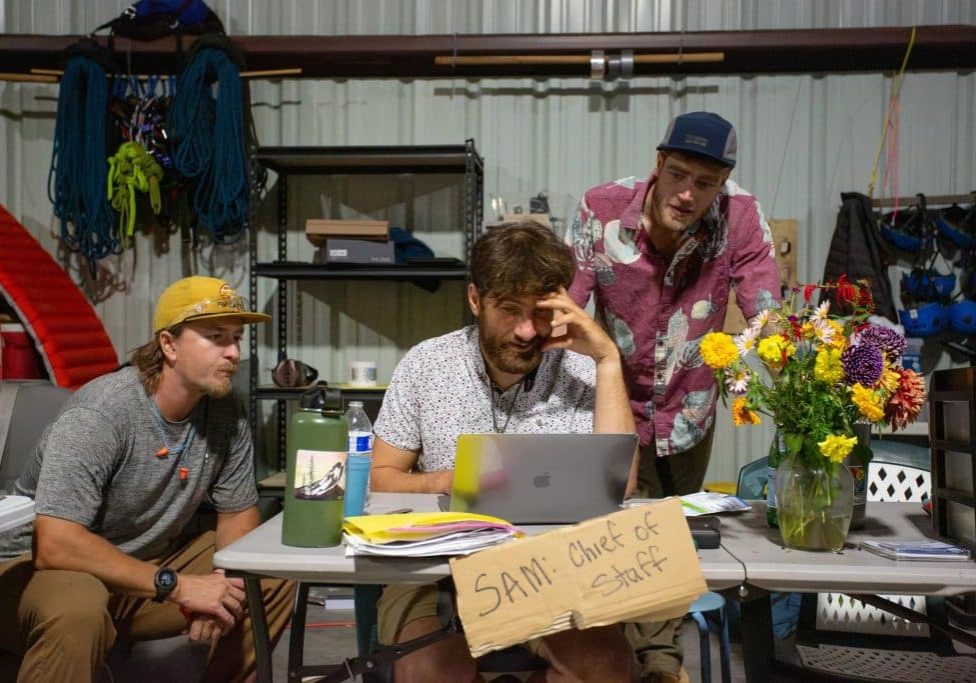
Neighbors Help Neighbors
A photo essay that celebrates the volunteer spirit of the grassroots group Hurricane Helene WNC and speaks to the resourcefulness, collaboration and hard work embodied by thousands and thousands of volunteers, first responders and aid workers across the region after Hurricane Helene.

Halloween Approaches, and Night School Is in Session
The House of Art in Bluefield, West Virginia, looks like a haunted tower, making it the perfect location for its sixth annual haunt event: Night School. The Night School will be open every Friday and Saturday night through Oct. 31.
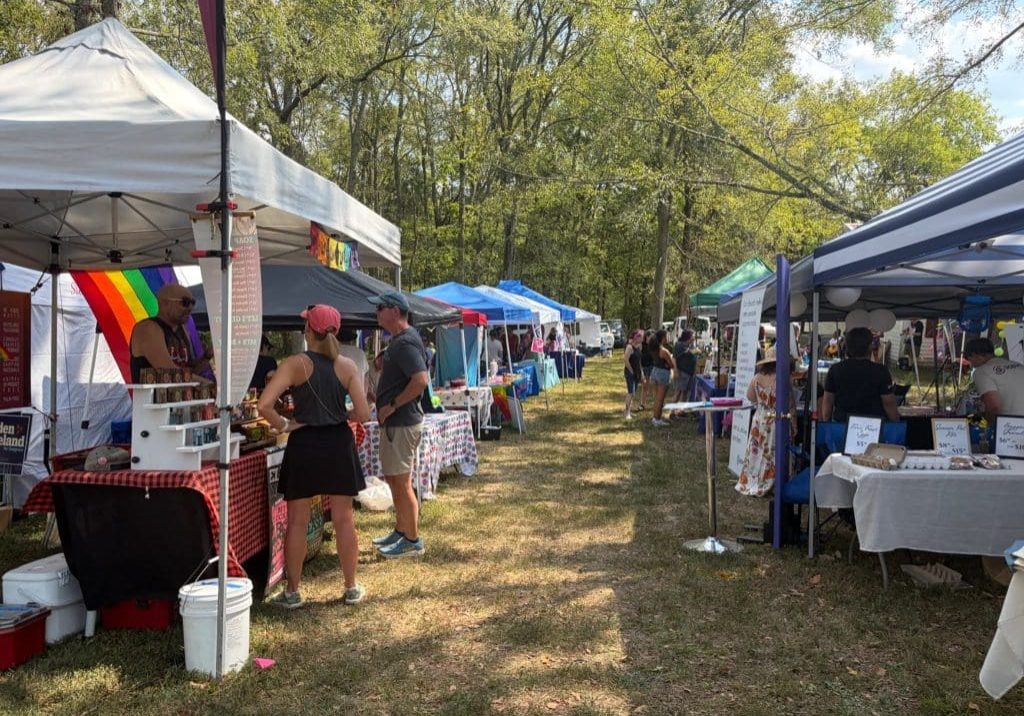
‘The Most Perfect Act of Love’
Hundreds of people attended the second annual Affirming Sumner Pride celebration on a 24-acre farm dubbed “Fruity Farm” in Bethpage, Sumner County, Tennessee.

Signs of Life: Endangered Bats Found in Nantahala for First Time in More Than a Decade
In the Nantahala National Forest, a team of biologists spotted Indiana bats, an endangered species that hasn’t been seen in North Carolina for the last 11 years.

‘First Line of Defense’
During Hurricane Helene and its aftermath, rural fire departments and other first responder hubs played critical roles in keeping their communities safe, even without power and cut off from outside support for days or weeks after the storm. Two years later, plenty of work remains to ensure these hubs have the resources they need to operate day to day and be ready when emergencies or natural disasters strike.

The Rocky Road — and Bridge — to Recovery
Hurricane Helene is estimated to have damaged nearly 7,000 private roads and bridges in Western North Carolina. Two years later, many restoration projects are complete, but the journey hasn’t been easy — and isn’t over for others.

Leave a comment
Your email address will not be published. Required fields are marked *
Leave a Comment