

By Elizabeth E. Payne
On January 9, 2014, 10,000 gallons of a toxic chemical, MCHM, spilled from a Freedom Industries tank into the Elk River near Charleston, W.Va., leaving 300,000 West Virginians without safe drinking water.
Two years later, a report released by Boston Action Research on Jan. 7 found that West Virginia American Water, the company providing water to 40 percent of West Virginians, was not prepared to handle the Freedom Industries spill and “continues to be unprepared for a major spill today.”
The state’s Public Service Commission, which is overseeing the long-stalled investigation into the disaster, released an order on Dec. 31 questioning whether and how it should pursue its inquiry without overlapping with a state Senate bill passed following the spill. Comments filed on Jan. 19 by environmental and business groups urged the investigation to continue.
And on Jan. 8, the American Civil Liberties Union of West Virginia gave notice of its intent to sue the state on behalf of inmates of the South Central Regional Jail. The complaint alleges that inmates did not have access to enough safe drinking water between Jan. 9 and 14, 2014, and that their civil rights were violated during the water crisis.
Related Articles
Latest News
More Stories
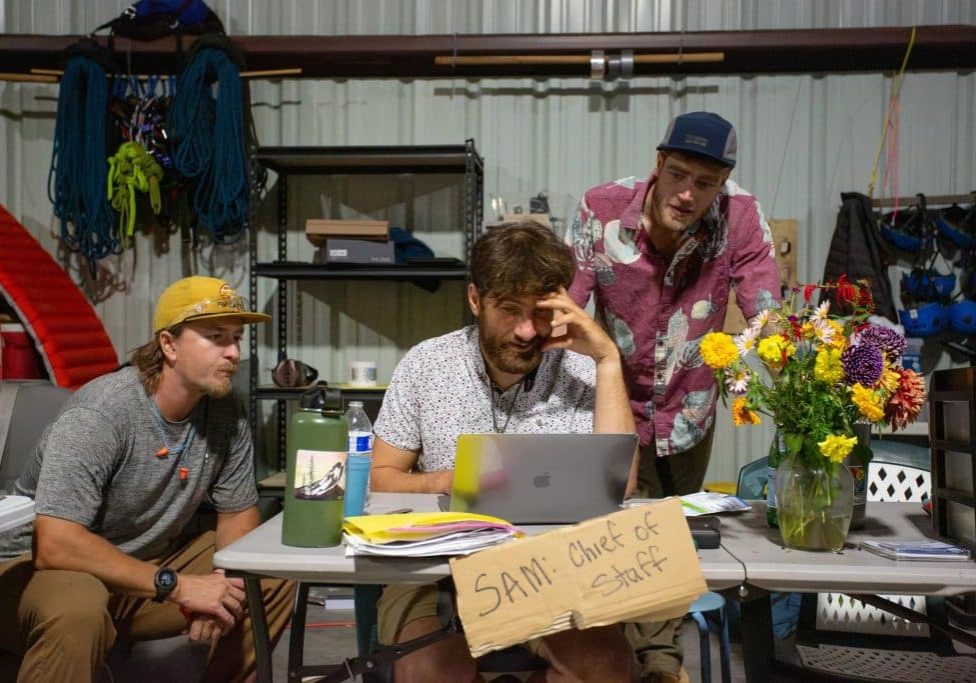
Neighbors Help Neighbors
A photo essay that celebrates the volunteer spirit of the grassroots group Hurricane Helene WNC and speaks to the resourcefulness, collaboration and hard work embodied by thousands and thousands of volunteers, first responders and aid workers across the region after Hurricane Helene.

Halloween Approaches, and Night School Is in Session
The House of Art in Bluefield, West Virginia, looks like a haunted tower, making it the perfect location for its sixth annual haunt event: Night School. The Night School will be open every Friday and Saturday night through Oct. 31.
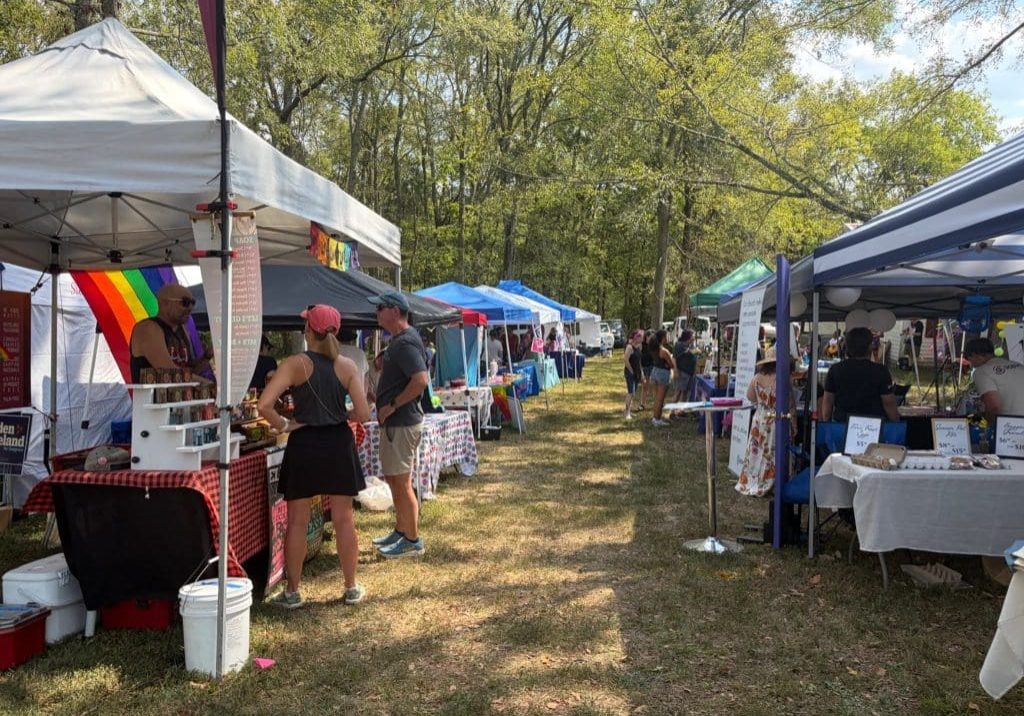
‘The Most Perfect Act of Love’
Hundreds of people attended the second annual Affirming Sumner Pride celebration on a 24-acre farm dubbed “Fruity Farm” in Bethpage, Sumner County, Tennessee.

Signs of Life: Endangered Bats Found in Nantahala for First Time in More Than a Decade
In the Nantahala National Forest, a team of biologists spotted Indiana bats, an endangered species that hasn’t been seen in North Carolina for the last 11 years.

‘First Line of Defense’
During Hurricane Helene and its aftermath, rural fire departments and other first responder hubs played critical roles in keeping their communities safe, even without power and cut off from outside support for days or weeks after the storm. Two years later, plenty of work remains to ensure these hubs have the resources they need to operate day to day and be ready when emergencies or natural disasters strike.

The Rocky Road — and Bridge — to Recovery
Hurricane Helene is estimated to have damaged nearly 7,000 private roads and bridges in Western North Carolina. Two years later, many restoration projects are complete, but the journey hasn’t been easy — and isn’t over for others.

Leave a comment
Your email address will not be published. Required fields are marked *
Leave a Comment