

A Solution Revolution
Renewable Energy and the Energy-Efficient Electric Vehicle
By Jeff Deal
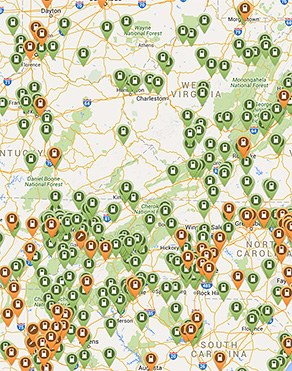
This map shows public (green) and high-power (tan) charging stations in the area. Image from plugshare.com
While the electricity grid that powers much of the 21st century continues to benefit from the adoption of renewable energy sources like solar, wind and geothermal, vehicles powered by gasoline and diesel have lagged behind. But here’s some good news: the coming partnership of renewable energy — especially solar — and tailpipe-free electric vehicles can change that for the better! Here’s how:
GREATER ENERGY EFFICIENCY:
Electric vehicles use between 59 and 62 percent of the fuel they expend “at the wheel,” or to power the movement of the automobile. Today’s gasoline vehicles only use 17 percent to 21 percent of the fuel they consume “at the wheel,” making electric cars 290 percent more efficient than their gasoline-powered cousins.
AFFORDABLE TRANSPORTATION:
The U.S. Department of Energy currently states that fueling electric vehicles costs the equivalent of $1.22 per gallon of gasoline versus $2.78 for the average American gasoline-powered car. The equivalent “per gallon of gasoline” price to fuel an electric vehicle can drop to $0.61 for families charging their electric vehicles with solar electricity generated by panels on their home that were purchased with state and federal tax credits. The fuel price can plunge even lower for businesses that additionally depreciate or ”write-off” these panels.
EVERY HOME & OFFICE A CLEAN FUEL REFINERY:
It is difficult, or perhaps impossible, for citizens and businesses to construct and operate their own gasoline or diesel fuel production facility — not to mention acquiring the unrefined petroleum or vegetable oil to produce the fuel. For electric vehicle owners that own or have access to solar panels at their homes or workplace, creating automobile fuel is as easy as plugging in a lamp, hair dryer or smartphone.
TRANSPORTATION FUEL “MADE CLEAN IN THE USA”:
The U.S. Energy Information Administration forecasts that the United States will import 21 percent or more of its oil in 2015 — the country imported 27 percent of its oil in 2014. Not only do U.S. dollars leave local economies to buy this oil, domestically produced fuel demands a price both at the pump and in terms of human health and air, water and environmental degradation as a result of drilling, transport, refinement and waste products. Renewably powered electric vehicles don’t require these additional fuel costs — and national renewable energy sources don’t decrease with usage.
Related Articles
Latest News
More Stories

Signs of Life
In the Nantahala National Forest, a team of biologists spotted Indiana bats, an endangered species that hasn’t been seen in North Carolina for the last 11 years.

‘First Line of Defense’
During Hurricane Helene and its aftermath, rural fire departments and other first responder hubs played critical roles in keeping their communities safe, even without power and cut off from outside support for days or weeks after the storm. Two years later, plenty of work remains to ensure these hubs have the resources they need to operate day to day and be ready when emergencies or natural disasters strike.

The Rocky Road — and Bridge — to Recovery
Hurricane Helene is estimated to have damaged nearly 7,000 private roads and bridges in Western North Carolina. Two years later, many restoration projects are complete, but the journey hasn’t been easy — and isn’t over for others.
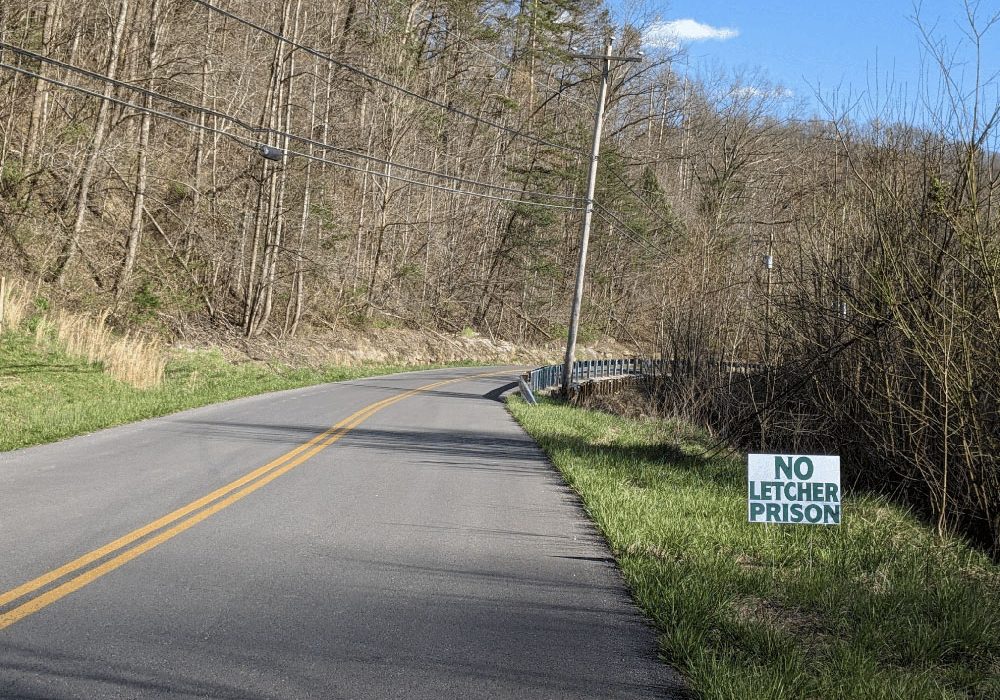
After 20 Years, Letcher County Prison Proposal Is Still Alive, Though Obstacles Remain
A $605 million proposal for a federal prison on a former strip mine site in Letcher County, Kentucky, championed by U.S. Rep. Hal Rogers, refuses to die, despite local opposition, a lack of support from the executive branch and numerous other obstacles.
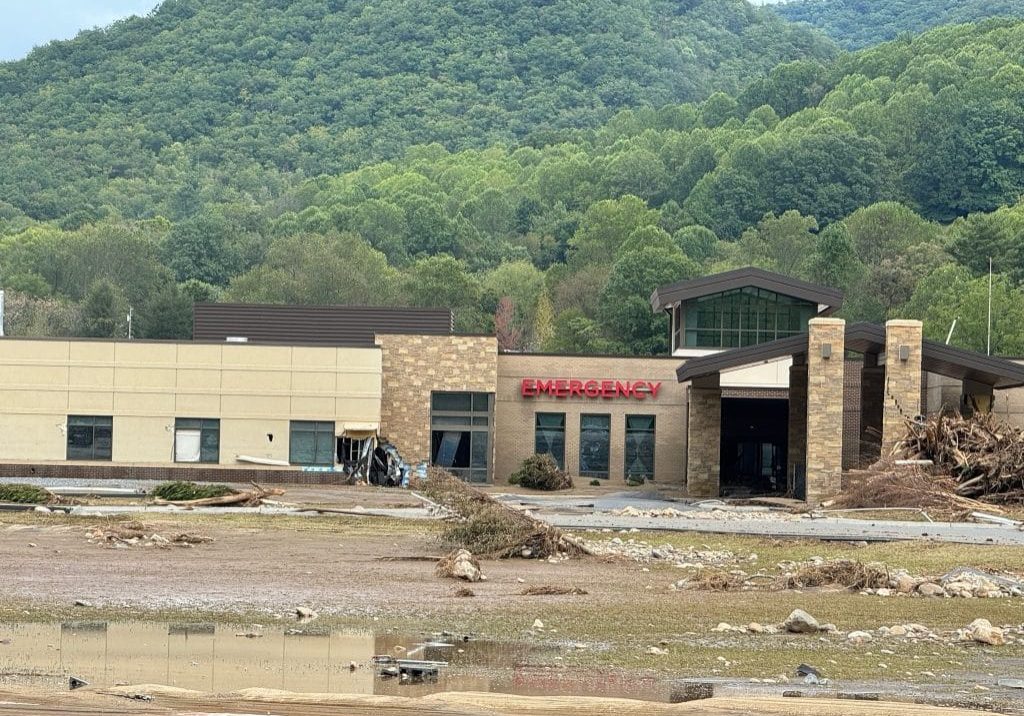
The Washout and Rebuild
For nearly two years, residents of Unicoi County, Tennessee, have had to make do without a hospital after Hurricane Helene destroyed the rural hospital. Ballad Health, which owns the hospital, broke ground on a new location — in another floodplain — in August 2026.

The Shenandoah Salamander
The Shenandoah salamander is a woodland salamander, which has adapted to life at higher elevations away from water. This sparkling rarity lives among the dry leaves, cracked logs, and stony hillocks on the highest peaks of Shenandoah National Park.

Leave a comment
Your email address will not be published. Required fields are marked *
Leave a Comment