

By Elizabeth E. Payne
Researchers from North Carolina State University recently announced that more than half of the male black bass tested in rivers across North Carolina exhibited female characteristics, particularly the formation of egg cells in their testes.
Once published, their study will add to the evidence that intersex traits are appearing in fish nationwide. A 2009 U.S. Geological Survey study found that 91 percent of the largemouth bass sampled from the Yadkin-Pee Dee River in North Carolina exhibited such traits, the highest instance of any sample across the nation.
Scientists have linked these characteristics to the presence of endocrine disrupting compounds, particularly estrogens. In both humans and animals, the glands and hormones that make up the endocrine system regulate important functions such as growth, metabolism and reproduction. Endocrine disruptors interfere with naturally occurring hormones, potentially causing adverse effects.
According to a related study by NCSU researchers, these natural or synthetic compounds can often be traced to “municipal and agricultural waste flows” that enter waterways. Such compounds can include human contraceptives and growth hormones fed to animals, as well as pesticides that interrupt reproductive cycles.
“The results are worrisome,” Crystal S. Lee Pow, an NSCU doctoral student working on this study, told Environmental Health News. “Males are crucial for hatching success, and their male behavior could be altered by exposure to contaminants and the presence of the intersex condition.”
Related Articles
Latest News
More Stories

Signs of Life
In the Nantahala National Forest, a team of biologists spotted Indiana bats, an endangered species that hasn’t been seen in North Carolina for the last 11 years.

‘First Line of Defense’
During Hurricane Helene and its aftermath, rural fire departments and other first responder hubs played critical roles in keeping their communities safe, even without power and cut off from outside support for days or weeks after the storm. Two years later, plenty of work remains to ensure these hubs have the resources they need to operate day to day and be ready when emergencies or natural disasters strike.

The Rocky Road — and Bridge — to Recovery
Hurricane Helene is estimated to have damaged nearly 7,000 private roads and bridges in Western North Carolina. Two years later, many restoration projects are complete, but the journey hasn’t been easy — and isn’t over for others.
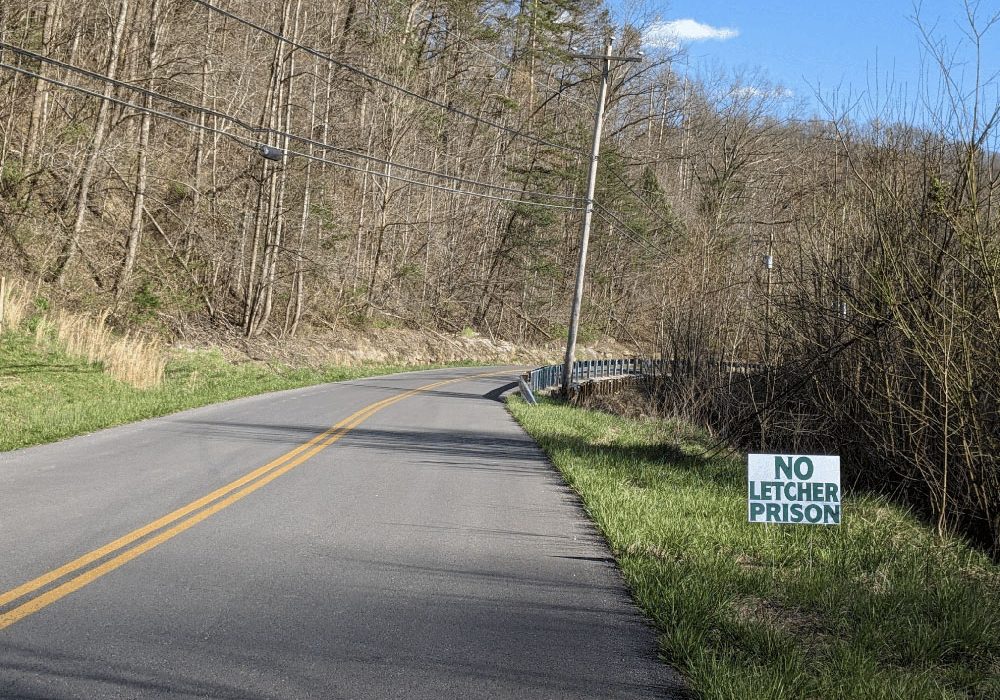
After 20 Years, Letcher County Prison Proposal Is Still Alive, Though Obstacles Remain
A $605 million proposal for a federal prison on a former strip mine site in Letcher County, Kentucky, championed by U.S. Rep. Hal Rogers, refuses to die, despite local opposition, a lack of support from the executive branch and numerous other obstacles.
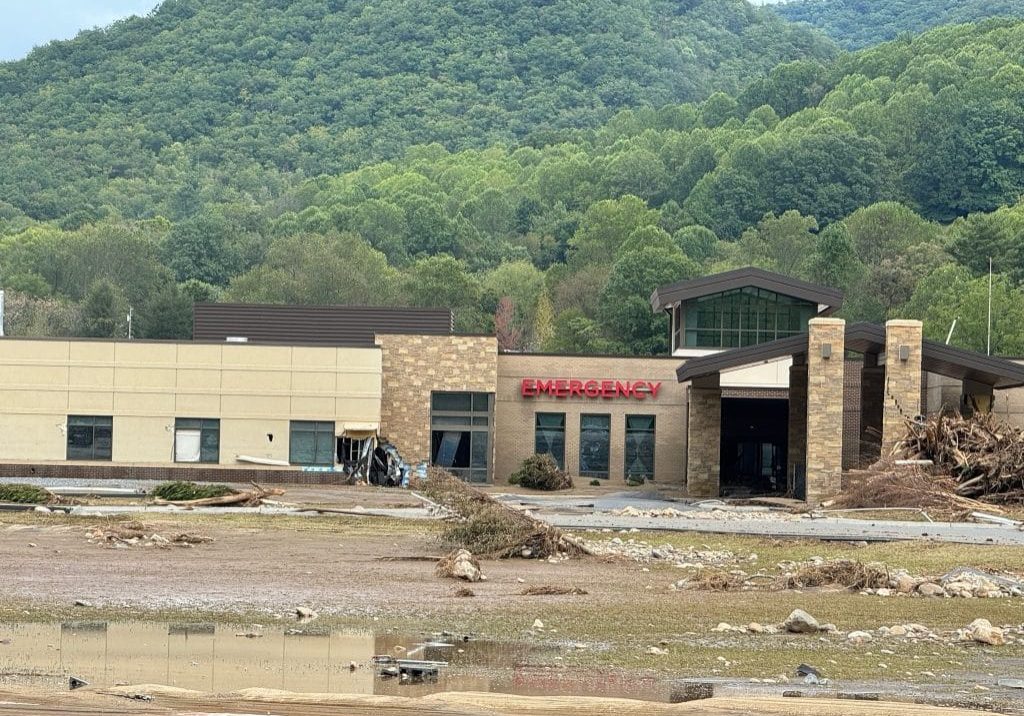
The Washout and Rebuild
For nearly two years, residents of Unicoi County, Tennessee, have had to make do without a hospital after Hurricane Helene destroyed the rural hospital. Ballad Health, which owns the hospital, broke ground on a new location — in another floodplain — in August 2026.
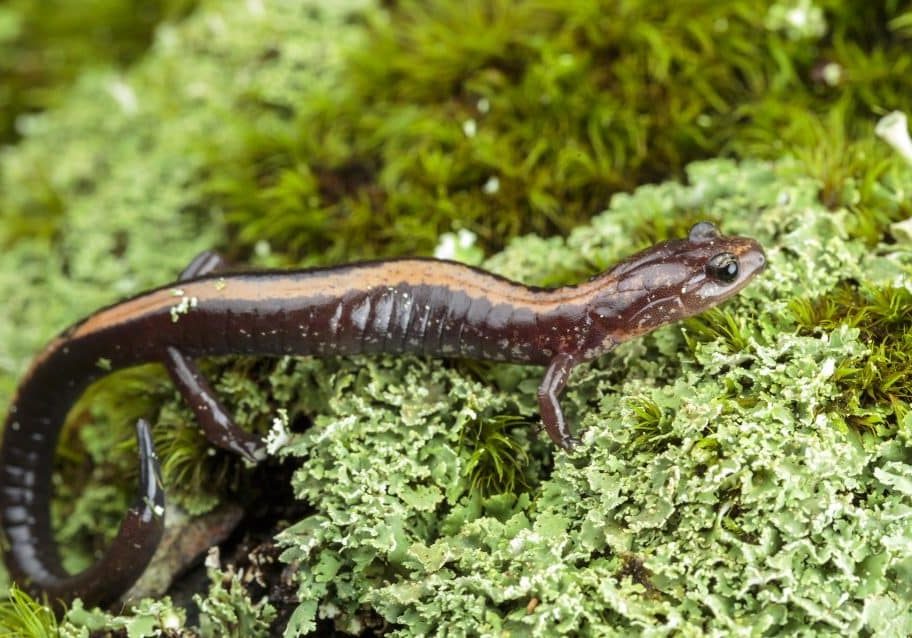
The Shenandoah Salamander
The Shenandoah salamander is a woodland salamander, which has adapted to life at higher elevations away from water. This sparkling rarity lives among the dry leaves, cracked logs, and stony hillocks on the highest peaks of Shenandoah National Park.

Leave a comment
Your email address will not be published. Required fields are marked *
Leave a Comment