

In the Neighborhood: Living with Coal Ash
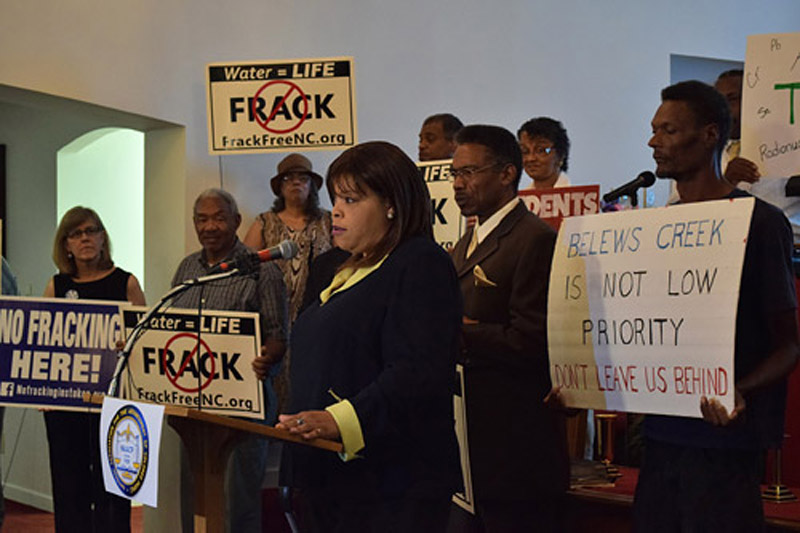
Tracey Edwards speaks in Walnut Cove, N.C., where the NAACP announced it would investigate whether black communities are disproportionately affected by environmental contamination. Photo by Jaimie McGirt
Tracey Edwards, a lifelong resident of Stokes County, resides within three miles of the coal-fired Belews Creek Steam Station, and is concerned about the coal ash the plant generates.
As a child growing up in the mostly African-American neighborhood of Walnut Tree, Edwards played outside and ate from neighborhood apple and cherry trees. She remembers the same ash that fell on the neighborhood also covered her father’s clothes when he came from work at the Belews Station.
Today, that ash is captured by air pollution controls and is stored with other waste the plant produces. The Belews Steam Station has one unlined, 350-acre pit of ash and water, as well as three dry landfills, one unlined, scattered within a mile of the plant. The ash is contaminating nearby groundwater and may also be affecting well water, which many residents rely on for drinking and other household uses.
Edwards’ family has a history of inexplicable health issues. Her father was diagnosed with bladder cancer in 2002. Her mother, Annie, began to have neurological issues, which eventually her left hand clenched up into a permanent fist; puzzled doctors tentatively diagnosed it as multiple sclerosis.
By 44, Tracey had suffered three strokes, and now she has a defibrillator. Her neighbors have also experienced abnormally high incidences of illnesses, Edwards says, such as strokes and cancers.
Due to a new state law, Duke Energy is now required to test drinking water wells within 1,500 feet of all North Carolina ash ponds. So far, several homes near the Belews plant have received “do-not-drink” notices, but Duke has not sampled dozens more within the testing radius. Of the 446 wells identified for testing statewide, results from 327 have been analyzed by the state health department, and 301 homeowners have received “do not drink” notices. Most of the wells tested high for vanadium or hexavalent chromium, both known carcinogens.
In 2014 Edwards and her mother helped form Residents for Coal Ash Cleanup, which hosts monthly meetings to discuss how to hold Duke Energy accountable for their coal ash pollution. After her mother passed away last September, Edwards continued to work with the group.
In May, Stokes County commissioners allowed the state to take a core sample for natural gas, and the preliminary results hinted that gas may be present, raising new concerns that fracking operations could create seismic activity that could damage the coal ash impoundment.
“I live here, my children live here. and I don’t want anyone else to get sick,” says Edwards. “We just want safe clean air and water. We can’t exist without clean water.”
Related Articles
Latest News
More Stories
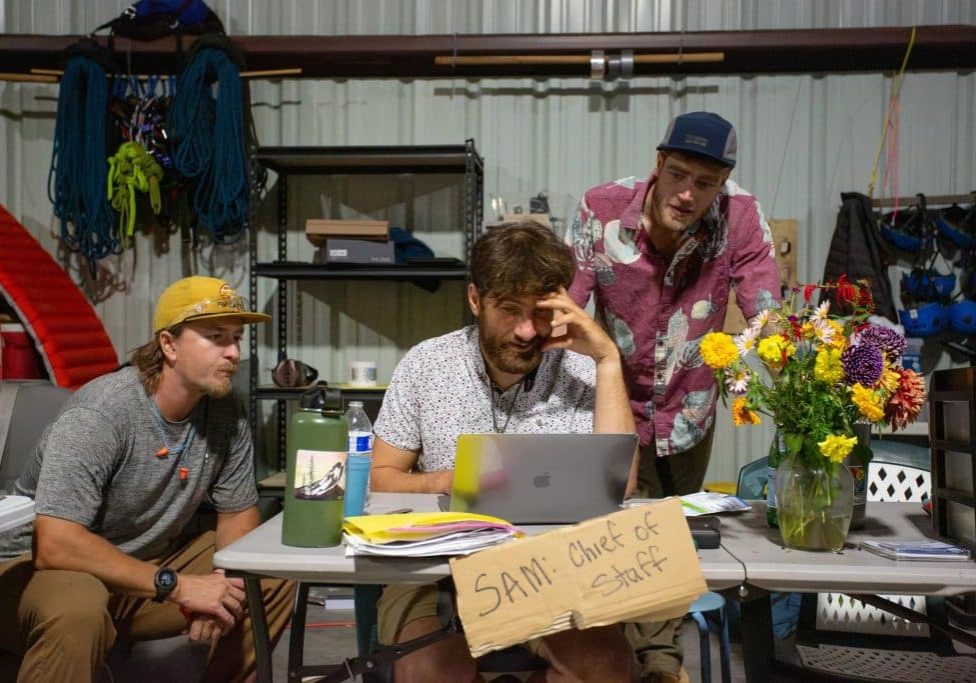
Neighbors Help Neighbors
A photo essay that celebrates the volunteer spirit of the grassroots group Hurricane Helene WNC and speaks to the resourcefulness, collaboration and hard work embodied by thousands and thousands of volunteers, first responders and aid workers across the region after Hurricane Helene.

Halloween Approaches, and Night School Is in Session
The House of Art in Bluefield, West Virginia, looks like a haunted tower, making it the perfect location for its sixth annual haunt event: Night School. The Night School will be open every Friday and Saturday night through Oct. 31.
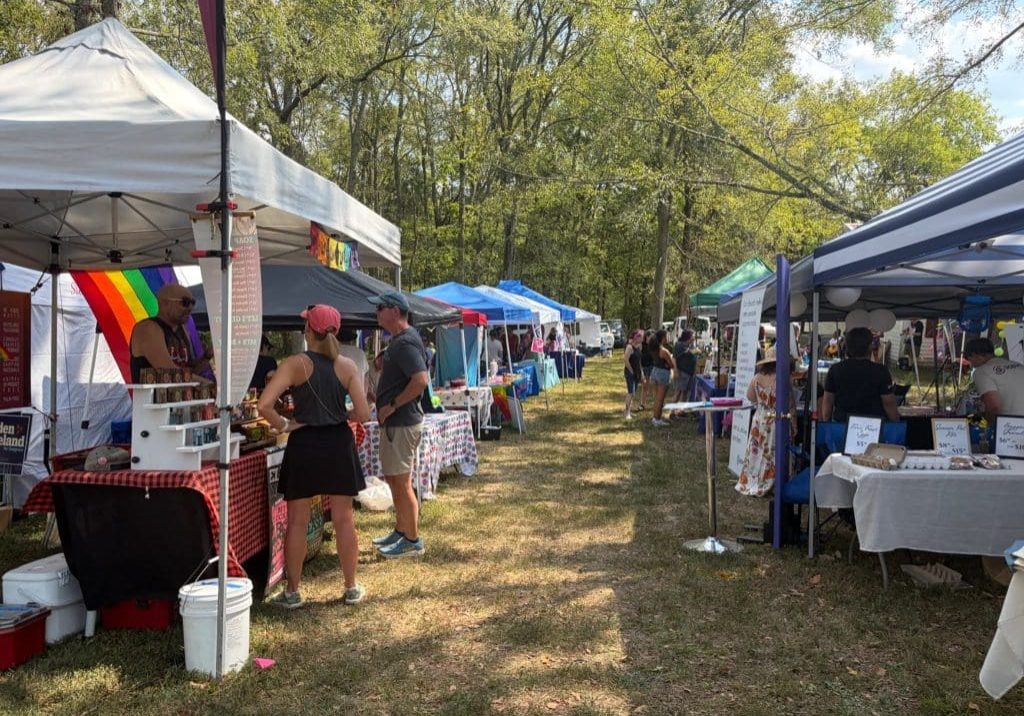
‘The Most Perfect Act of Love’
Hundreds of people attended the second annual Affirming Sumner Pride celebration on a 24-acre farm dubbed “Fruity Farm” in Bethpage, Sumner County, Tennessee.

Signs of Life: Endangered Bats Found in Nantahala for First Time in More Than a Decade
In the Nantahala National Forest, a team of biologists spotted Indiana bats, an endangered species that hasn’t been seen in North Carolina for the last 11 years.
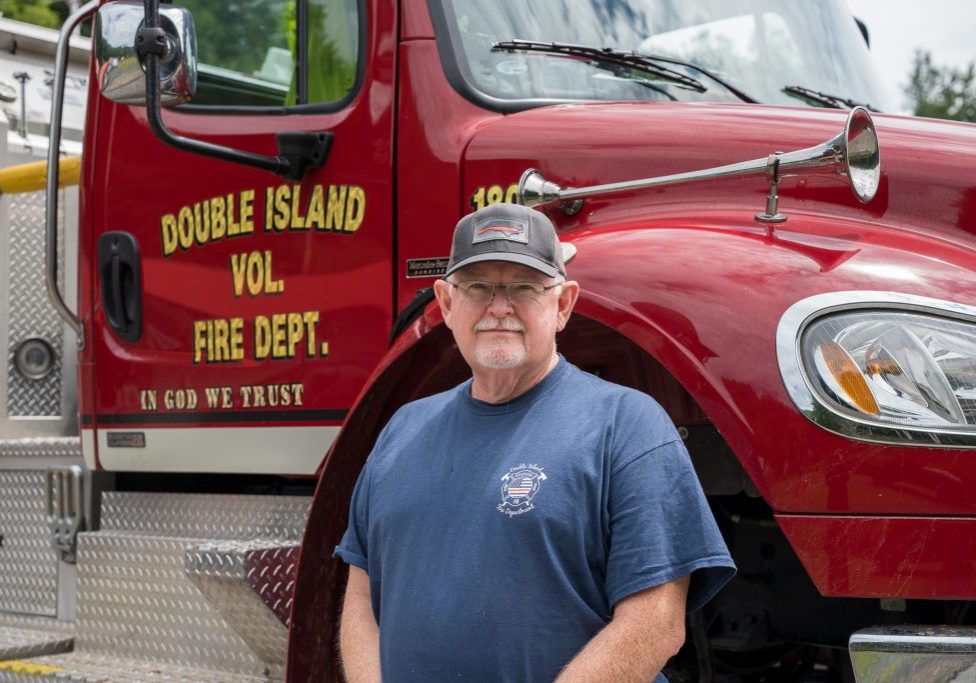
‘First Line of Defense’
During Hurricane Helene and its aftermath, rural fire departments and other first responder hubs played critical roles in keeping their communities safe, even without power and cut off from outside support for days or weeks after the storm. Two years later, plenty of work remains to ensure these hubs have the resources they need to operate day to day and be ready when emergencies or natural disasters strike.
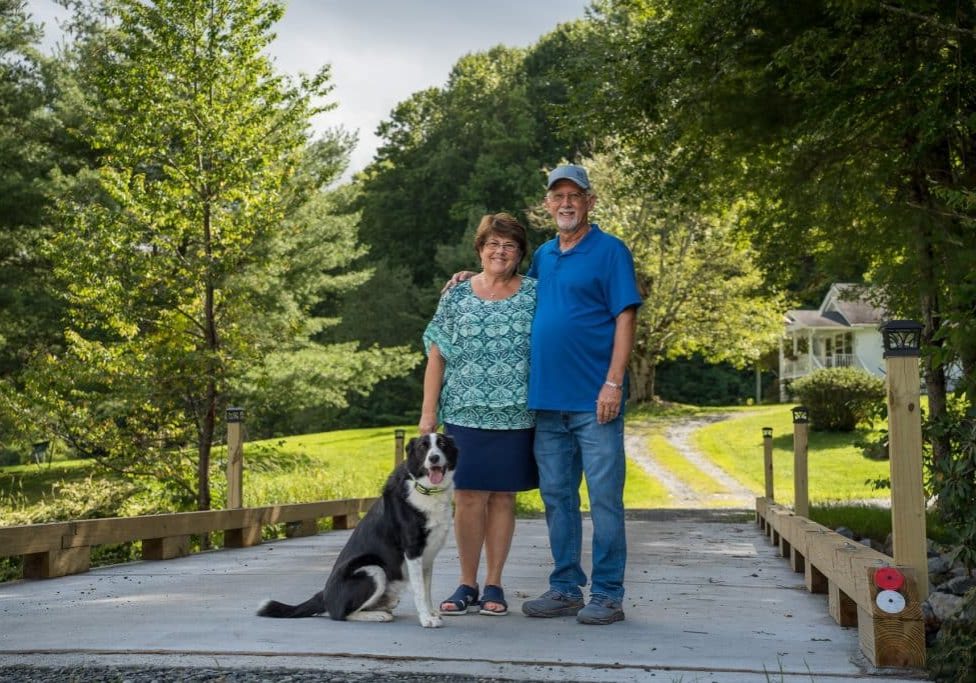
The Rocky Road — and Bridge — to Recovery
Hurricane Helene is estimated to have damaged nearly 7,000 private roads and bridges in Western North Carolina. Two years later, many restoration projects are complete, but the journey hasn’t been easy — and isn’t over for others.

Leave a comment
Your email address will not be published. Required fields are marked *
Leave a Comment