

By Kimber Ray
Jean Ritchie, Kentucky-born folk hero, environmentalist and activist, died this June in her Berea, Ky. home at the age of 92. Widely regarded as “The Mother of Folk,” Ritchie was born in the foothills of the Cumberland Mountains. Her family is renowned by folk music scholars for their astounding repertoire of traditional songs and centuries-old ballads, but it was Ritchie’s sweet, distinct voice which carried these Appalachian tunes to a broad audience of listeners.
This same voice also spoke out against environmental and social injustices, particularly those surrounding coal mining communities in Appalachia. Among Ritchie’s most celebrated songs is “Black Waters,” which describes the painful realities of surface mining in Kentucky.
In recent years, her friends — including artists such as Kathy Mattea and Pete Seeger — produced a tribute album called “Dear Jean,” and Appalachian Voices had the opportunity to celebrate with Ritchie at a concert in her honor last year. As per her wishes, Ritchie’s family is donating a portion of the proceeds from the album to Appalachian Voices.
Author, activist and Appalachian Voices board member Silas House considered Ritchie a dear friend. “She was a source of incredible pride for my people,” he writes. “Everyone I knew loved Jean Ritchie, and they especially loved the way she represented Appalachian people: with generosity and sweetness, yes. But also with defiance and strength.”
“The hillside explodes with the dynamite’s roar
And the voices of the small birds will sound there no more
And the mountain comes a-sliding so awful and grand
And the flooding black waters rise over my land”
— “Black Waters” by Jean Ritchie, 1971
Read House’s full remembrance at appvoices.org/remembering-jean-ritchie
Related Articles
Latest News
More Stories

Signs of Life
In the Nantahala National Forest, a team of biologists spotted Indiana bats, an endangered species that hasn’t been seen in North Carolina for the last 11 years.

‘First Line of Defense’
During Hurricane Helene and its aftermath, rural fire departments and other first responder hubs played critical roles in keeping their communities safe, even without power and cut off from outside support for days or weeks after the storm. Two years later, plenty of work remains to ensure these hubs have the resources they need to operate day to day and be ready when emergencies or natural disasters strike.

The Rocky Road — and Bridge — to Recovery
Hurricane Helene is estimated to have damaged nearly 7,000 private roads and bridges in Western North Carolina. Two years later, many restoration projects are complete, but the journey hasn’t been easy — and isn’t over for others.
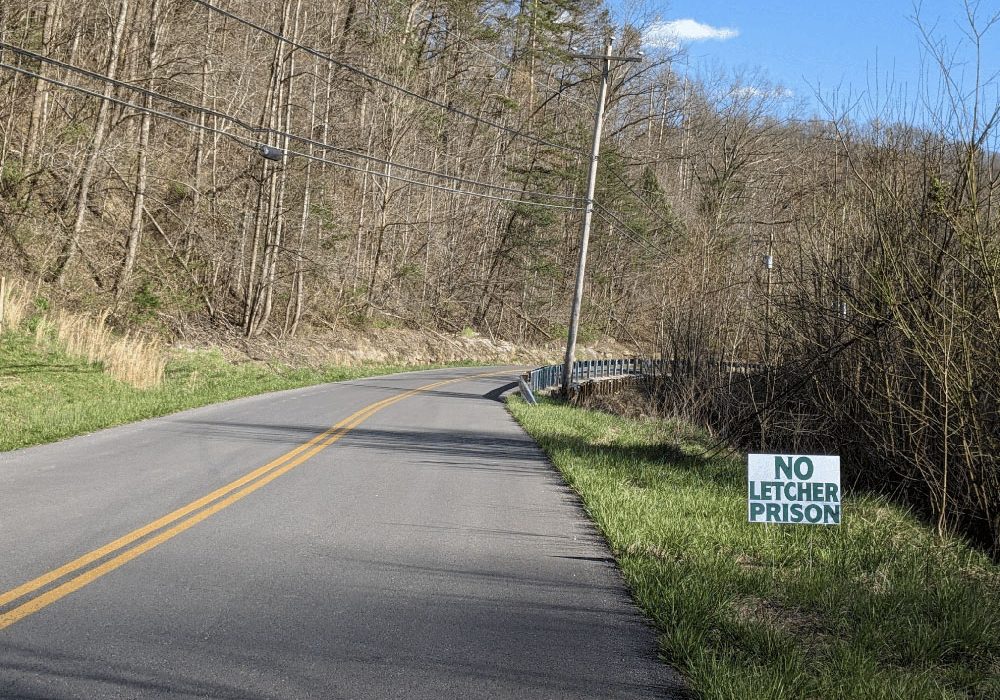
After 20 Years, Letcher County Prison Proposal Is Still Alive, Though Obstacles Remain
A $605 million proposal for a federal prison on a former strip mine site in Letcher County, Kentucky, championed by U.S. Rep. Hal Rogers, refuses to die, despite local opposition, a lack of support from the executive branch and numerous other obstacles.
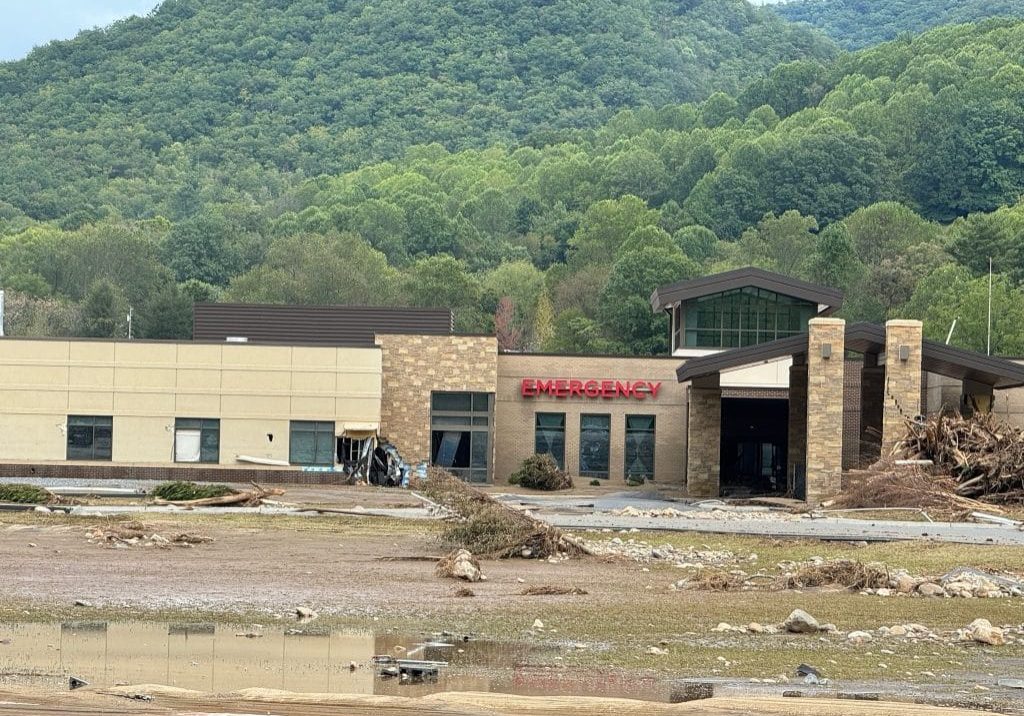
The Washout and Rebuild
For nearly two years, residents of Unicoi County, Tennessee, have had to make do without a hospital after Hurricane Helene destroyed the rural hospital. Ballad Health, which owns the hospital, broke ground on a new location — in another floodplain — in August 2026.

The Shenandoah Salamander
The Shenandoah salamander is a woodland salamander, which has adapted to life at higher elevations away from water. This sparkling rarity lives among the dry leaves, cracked logs, and stony hillocks on the highest peaks of Shenandoah National Park.

Leave a comment
Your email address will not be published. Required fields are marked *
Leave a Comment