

Resilient Landscapes for a Shifting Environment
By Kimber Ray
Since 2008, Mark Anderson, a field ecologist with The Nature Conservancy, has been probing the ecosystems of the eastern United States for a better strategy to protect species seeking refuge from the impacts of climate change.
When he described the conclusions of his team’s groundbreaking research — a sophisticated map analysis of landscape and species diversity — to The Nature Conservancy Magazine in 2014, he compared it to a baseball field.
“As much as we like the players, we know they won’t stay the same forever,” he says. “They are going to move on.”
Protecting land based on its importance to endangered or uncommon species is a popular strategy — one that Anderson helped develop during his early work with The Nature Conservancy in the 1990s. Yet according to his ongoing mapping project, this strategy often amounts to blind guesswork when it comes to identifying potential future hotspots for biodiversity.
Anderson and his team’s first study, published in 2012, revealed that geology is the strongest predictor of which undeveloped environments can support the greatest diversity of plants and wildlife. Variations in features such as slope, elevation and soil profiles create a wide range of distinct habitats known as microclimates. These pockets of different temperatures and moisture levels offer options for migrating creatures to cope with climate change.
Dubbed a “resilient landscape,” Appalachia is noted as a particularly remarkable example of these microclimates. In the Blue Ridge Mountains of South Carolina, for example, Anderson’s report cites a case where the 104 degree heat of a sunny slope was in stark contrast to a nearby ravine, which was 25 degrees cooler.
The Doris Duke Charitable Foundation, which supported Anderson’s mapping projects, has since created a $12 million fund to promote conservation of the resilient landscapes identified using Anderson’s research.
Known as the Resilient Landscape Initiative and managed by the nonprofit Open Space Institute, the project invites public agencies and land trusts to apply for matching grant funds to help protect targeted areas. For land trusts, this involves creating conservation easements with private landowners; the property is protected from development and the owner retains possession of the land.
The Northeast-focused portion of the project has so far protected more than 3,000 acres of climate-resilient land in northern Appalachia. The coverage region, which includes four eligible focus areas, extends from Maine to as far south as the Potomac Headwaters of Virginia and West Virginia — an important home of the increasingly threatened native eastern brook trout.
Meanwhile the Southeast-focused part of the project, which began at the end of 2014 with the Southern Cumberlands area in Georgia, Alabama and Tennessee, recently expanded to include the southern Blue Ridge and the Greater Pee Dee River regions. The project is accepting applications for grant funds; deadline is July 21 and awards will be announced in September.
Related Articles
Latest News
More Stories

Halloween Approaches, and Night School Is in Session
The House of Art in Bluefield, West Virginia, looks like a haunted tower, making it the perfect location for its sixth annual haunt event: Night School. The Night School will be open every Friday and Saturday night through Oct. 31.
‘The Most Perfect Act of Love’
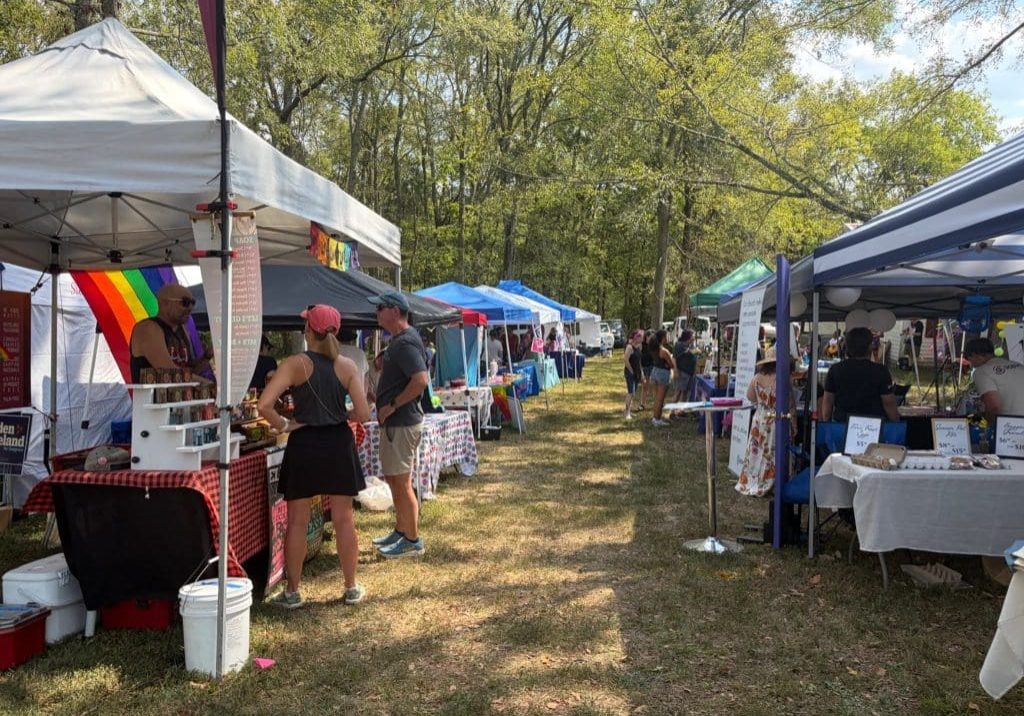
After losing its rural pride celebration, hundreds of people attended the second annual Affirming Sumner Pride celebration on a 24-acre farm dubbed “Fruity Farm” in Bethpage, Sumner County, Tennessee.

Signs of Life
In the Nantahala National Forest, a team of biologists spotted Indiana bats, an endangered species that hasn’t been seen in North Carolina for the last 11 years.

‘First Line of Defense’
During Hurricane Helene and its aftermath, rural fire departments and other first responder hubs played critical roles in keeping their communities safe, even without power and cut off from outside support for days or weeks after the storm. Two years later, plenty of work remains to ensure these hubs have the resources they need to operate day to day and be ready when emergencies or natural disasters strike.

The Rocky Road — and Bridge — to Recovery
Hurricane Helene is estimated to have damaged nearly 7,000 private roads and bridges in Western North Carolina. Two years later, many restoration projects are complete, but the journey hasn’t been easy — and isn’t over for others.
After 20 Years, Letcher County Prison Proposal Is Still Alive, Though Obstacles Remain
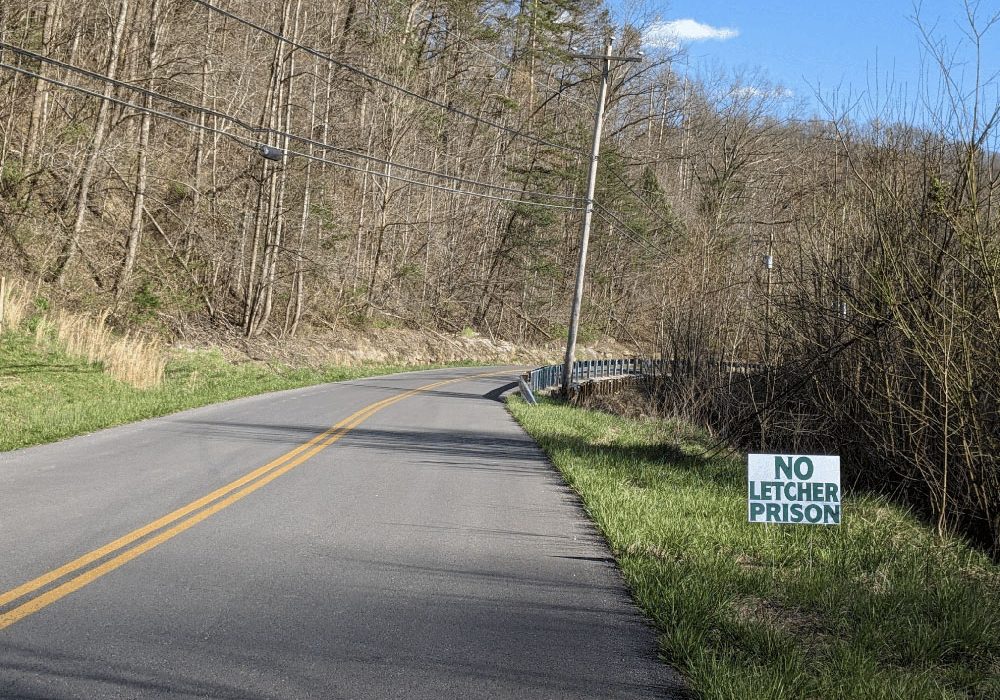
A $605 million proposal for a federal prison on a former strip mine site in Letcher County, Kentucky, championed by U.S. Rep. Hal Rogers, refuses to die, despite local opposition, a lack of support from the executive branch and numerous other obstacles.

Leave a comment
Your email address will not be published. Required fields are marked *
Leave a Comment