

Kids in Parks Reconnects Families with the Outdoors
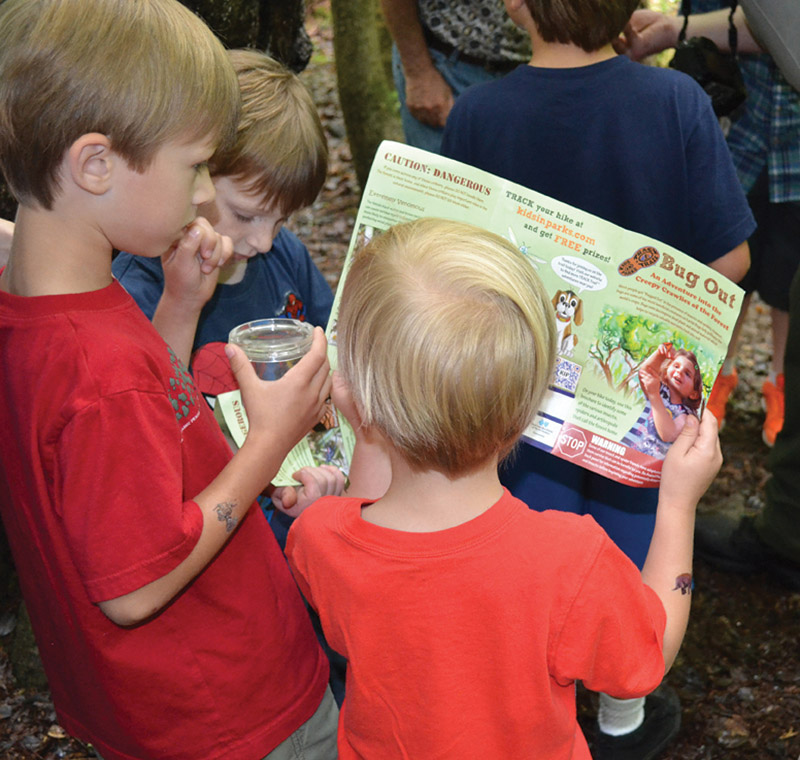
Young hikers examine a trail brochure in Virginia. Photo courtesy of Kids in Parks
By Chris Robey
Basic ecological literacy is waning among children. A 2008 study by BBC Wildlife Magazine indicates that most children cannot identify common plants and animals, and an earlier study concluded that children know more about Pokemon than they do about wildlife.
Even the language used to describe nature is falling out of favor. The latest edition of the Oxford Junior Dictionary has cut words like pasture, otter and willow in favor of more “modern” terms such as broadband and MP3 player.
In Appalachia, trail-based education initiatives like Kids in Parks’ TRACK Trails program are re-introducing children to the natural world through self-guided hiking adventures.
Between 2007 and 2008, the Blue Ridge Parkway Foundation found that less than 11 percent of visitors brought young children to the parkway, according to Kids in Parks Director Jason Urroz. Around this time, Richard Louv’s “Last Child in the Woods” was widely circulating. The book connects lack of outdoor play to numerous health and behavioral problems in children. Among its readers was Dr. Olson Huff, a renowned pediatrician who, through a collaboration between the Blue Cross Blue Shield Foundation of North Carolina and the National Park Service, helped create the TRACK Trails program. Eight states now host TRACK Trails, including Virginia, West Virginia and North Carolina.
TRACK brochures can be downloaded online and include a variety of on-trail activities such as Nature’s Hide and Seek, which lists local flora and fauna for children to look for on a hike. The self-guided activities allow kids to go at their own pace, while their parents can step in as educators, sharing meaningful moments while teaching their children the differences between red and white oaks or pointing out the cardinal or bluebird that would otherwise go unnoticed.
According to Urroz, it is critical that children be given the opportunity to find inspiration in the outdoors. “If we don’t get kids and families today outdoors,” he says, “then who’s going to be our future stewards?”
Learn more at KidsInParks.com
Related Articles
Latest News
More Stories
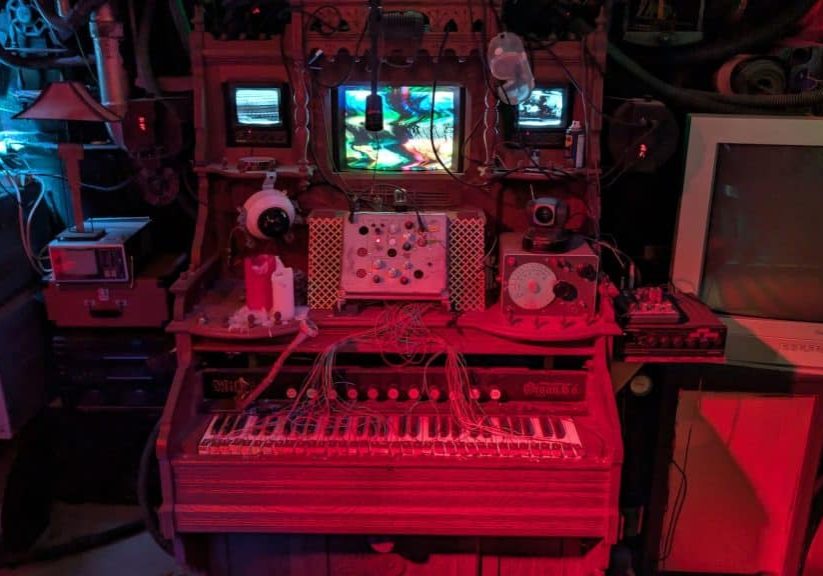
Halloween Approaches, and Night School Is in Session
The House of Art in Bluefield, West Virginia, looks like a haunted tower, making it the perfect location for its sixth annual haunt event: Night School. The Night School will be open every Friday and Saturday night through Oct. 31.
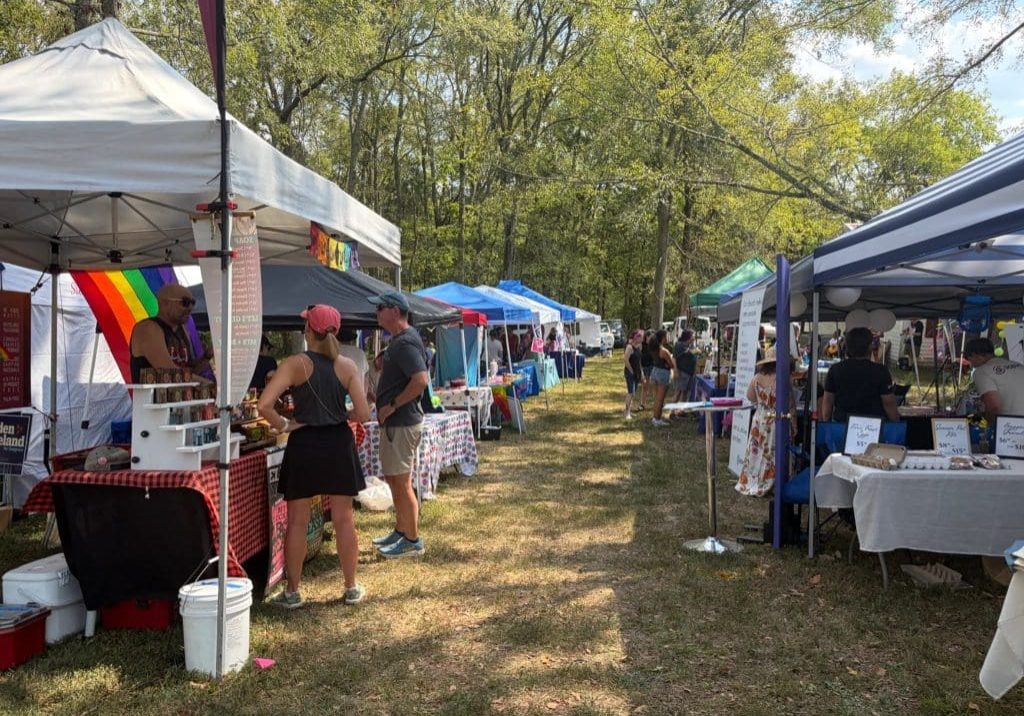
‘The Most Perfect Act of Love’
After losing its rural pride celebration, hundreds of people attended the second annual Affirming Sumner Pride celebration on a 24-acre farm dubbed “Fruity Farm” in Bethpage, Sumner County, Tennessee.
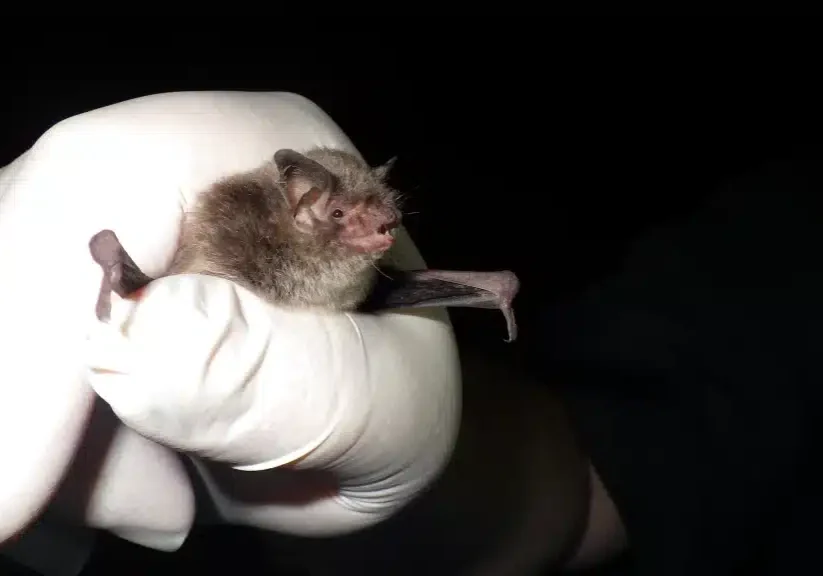
Signs of Life
In the Nantahala National Forest, a team of biologists spotted Indiana bats, an endangered species that hasn’t been seen in North Carolina for the last 11 years.

‘First Line of Defense’
During Hurricane Helene and its aftermath, rural fire departments and other first responder hubs played critical roles in keeping their communities safe, even without power and cut off from outside support for days or weeks after the storm. Two years later, plenty of work remains to ensure these hubs have the resources they need to operate day to day and be ready when emergencies or natural disasters strike.

The Rocky Road — and Bridge — to Recovery
Hurricane Helene is estimated to have damaged nearly 7,000 private roads and bridges in Western North Carolina. Two years later, many restoration projects are complete, but the journey hasn’t been easy — and isn’t over for others.
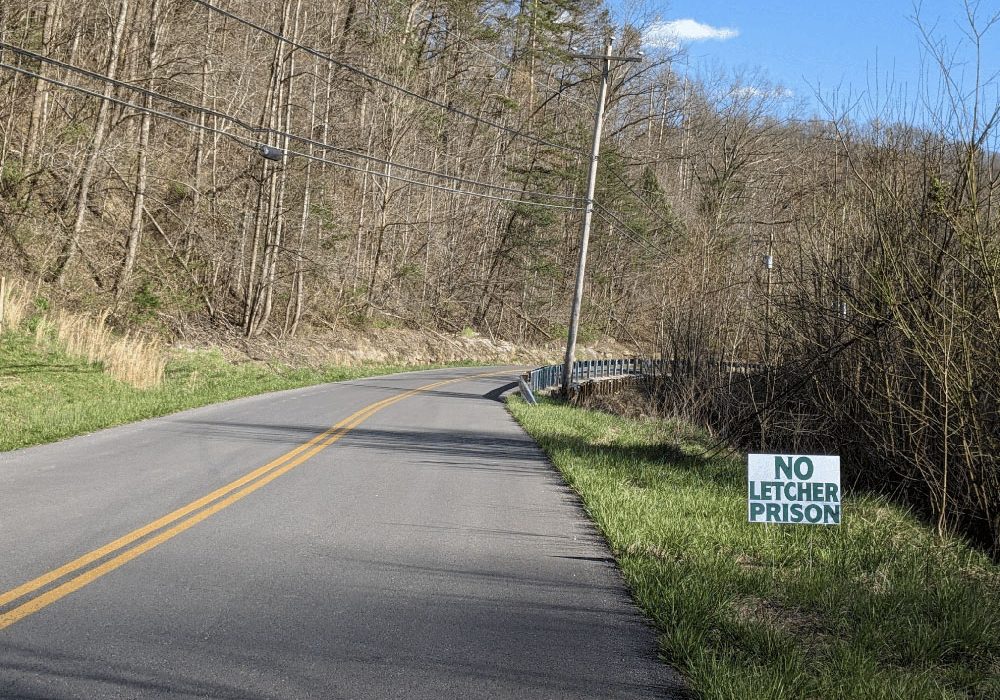
After 20 Years, Letcher County Prison Proposal Is Still Alive, Though Obstacles Remain
A $605 million proposal for a federal prison on a former strip mine site in Letcher County, Kentucky, championed by U.S. Rep. Hal Rogers, refuses to die, despite local opposition, a lack of support from the executive branch and numerous other obstacles.

Leave a comment
Your email address will not be published. Required fields are marked *
Leave a Comment